

The wear rate of components in a drag conveyor is a crucial factor that directly impacts the conveyor's performance, longevity, and overall operational cost. As a supplier of drag conveyors, I've witnessed firsthand how understanding and managing this wear rate can make a significant difference for our customers. In this blog, I'll delve into the concept of wear rate, the factors influencing it, and how we, as a supplier, can help customers optimize their drag conveyor systems.
Understanding Wear Rate in Drag Conveyors
Wear rate refers to the speed at which the components of a drag conveyor deteriorate over time due to friction, abrasion, corrosion, and other mechanical stresses. It is typically measured as the amount of material loss per unit of time or per unit of operating distance. For example, it could be expressed in millimeters of thickness loss per year or grams of material loss per kilometer of conveyor operation.
The main components of a drag conveyor that are subject to wear include the chain, flight bars, trough liners, and sprockets. Each of these components plays a vital role in the conveyor's operation, and excessive wear can lead to reduced efficiency, increased maintenance requirements, and even system failures.
Factors Affecting Wear Rate
Material Characteristics
The properties of the material being conveyed have a significant impact on the wear rate. Abrasive materials, such as sand, gravel, and crushed ore, tend to cause more wear on the conveyor components compared to non - abrasive materials like grains or powders. The particle size, shape, and hardness of the material also matter. Larger, angular, and harder particles are more likely to cause abrasion on the chain, flight bars, and trough liners.
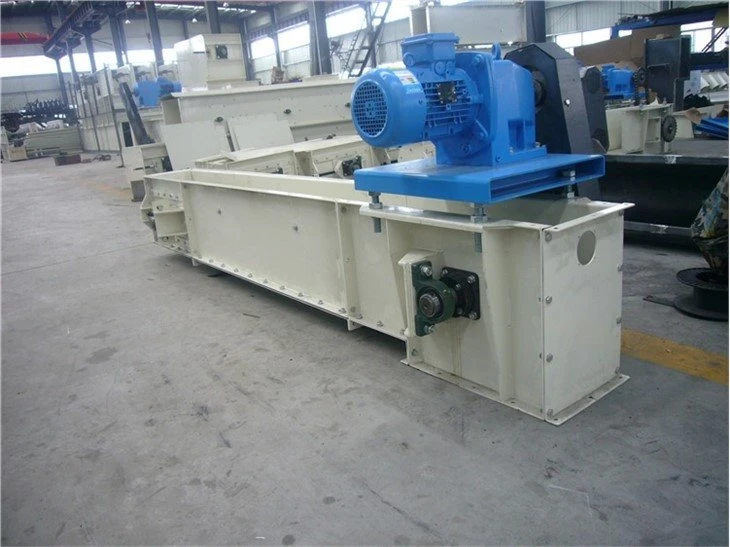
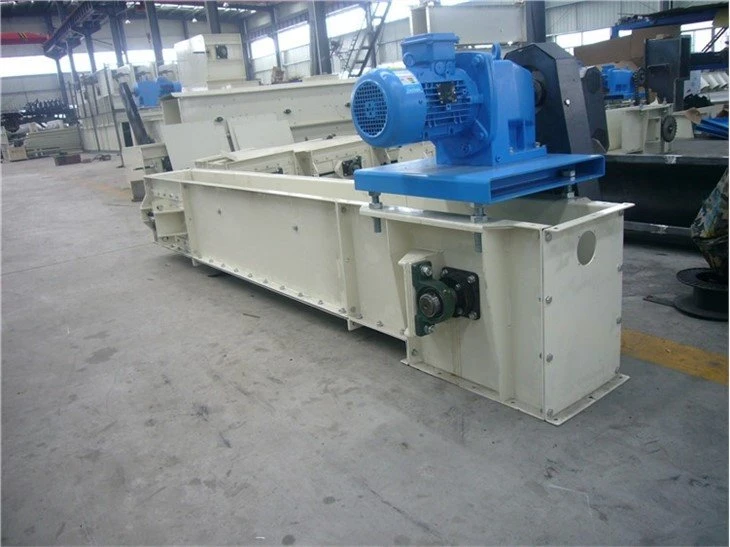
Conveyor Design and Configuration
The design of the drag conveyor itself can influence the wear rate. For instance, the pitch of the chain, the shape and size of the flight bars, and the clearance between the flight bars and the trough liners all play a role. A poorly designed conveyor may cause uneven loading on the components, leading to accelerated wear. Additionally, the conveyor's speed and the angle of inclination can affect the wear rate. Higher speeds generally result in more wear due to increased friction and impact forces.
Operating Conditions
The environment in which the drag conveyor operates can also impact the wear rate. High - humidity environments can lead to corrosion of the metal components, while dusty environments can increase the abrasion. Moreover, the frequency of start - stop cycles and the load capacity of the conveyor can affect the wear. Frequent start - stop operations can cause additional stress on the components, leading to faster wear.
Wear Rate of Specific Components
Chain
The chain is one of the most critical components of a drag conveyor, and its wear rate can significantly affect the conveyor's performance. The chain is subject to both abrasion and fatigue. Abrasion occurs as the chain rubs against the sprockets and the trough liners, while fatigue is caused by the repeated bending and tension forces during operation. The wear rate of the chain can be influenced by the chain's material, the quality of its manufacturing, and the lubrication. A well - lubricated chain made of high - quality steel will generally have a lower wear rate.
Flight Bars
Flight bars are used to push the material along the conveyor trough. They are in direct contact with the conveyed material, so they are highly susceptible to abrasion. The wear rate of flight bars depends on the material they are made of, the shape of the flight bars, and the type of material being conveyed. For example, flight bars made of hardened steel or wear - resistant alloys will have a lower wear rate when conveying abrasive materials.
Trough Liners
Trough liners protect the conveyor trough from wear and provide a smooth surface for the chain and flight bars to move on. The wear rate of trough liners is mainly influenced by the abrasiveness of the conveyed material. Different types of liner materials, such as rubber, polyurethane, and stainless steel, have different wear resistance properties. Rubber liners are suitable for non - abrasive materials, while stainless steel liners are more appropriate for highly abrasive materials.
Sprockets
Sprockets are used to drive the chain in a drag conveyor. They are subject to both wear and tooth fatigue. The wear on sprockets is mainly caused by the friction between the chain and the sprocket teeth. The wear rate of sprockets can be reduced by using high - quality sprocket materials, proper heat treatment, and regular lubrication.
Measuring and Monitoring Wear Rate
To effectively manage the wear rate of drag conveyor components, it is essential to measure and monitor it regularly. This can be done through various methods, such as visual inspection, dimensional measurement, and wear analysis. Visual inspection can help identify signs of wear, such as cracks, pitting, and deformation. Dimensional measurement, using tools like calipers and micrometers, can provide quantitative data on the amount of material loss. Wear analysis, which involves examining the worn components under a microscope, can help determine the cause of wear and suggest appropriate solutions.
How Our Company Can Help
As a drag conveyor supplier, we offer a range of solutions to help our customers manage the wear rate of their conveyor components. First, we provide high - quality drag conveyors, such as the Drag Chain Conveyor and the TGSSP Series Level Drag Conveyor, which are designed to minimize wear. Our conveyors are made of high - quality materials and are engineered to ensure even loading and smooth operation.
We also offer custom - designed solutions based on the specific requirements of our customers. Our team of experts can analyze the material characteristics, operating conditions, and other factors to design a drag conveyor that is optimized for low wear.
In addition, we provide comprehensive after - sales support, including regular maintenance services, component replacement, and wear rate monitoring. Our technicians are trained to identify and address wear - related issues promptly, ensuring the long - term reliability and efficiency of our customers' drag conveyor systems.
Conclusion
The wear rate of components in a drag conveyor is a complex issue that is influenced by multiple factors. By understanding these factors and taking appropriate measures to manage the wear rate, our customers can extend the lifespan of their drag conveyor systems, reduce maintenance costs, and improve overall operational efficiency. If you are interested in learning more about our drag conveyors or need help with managing the wear rate of your existing conveyor system, please feel free to contact us for further discussion and potential procurement.
References
- "Conveyor Handbook" by Conveyor Manufacturer's Association
- "Wear and Tear in Industrial Conveyors" - Journal of Industrial Engineering Research