

As a seasoned supplier of belt dryers, I've witnessed firsthand the transformative impact these machines have on various industries. One crucial component that often goes unnoticed but plays a pivotal role in the efficiency and performance of a belt dryer is the insulation layer. In this blog post, I'll delve into the significance of the insulation layer in a belt dryer, exploring its functions, benefits, and the impact it has on the overall drying process.
Understanding the Basics of a Belt Dryer
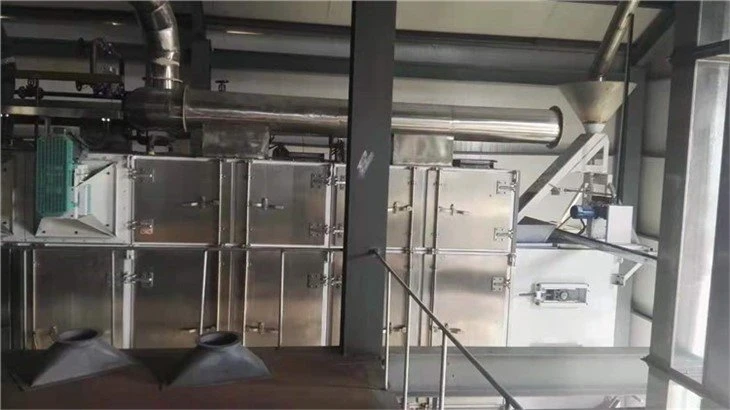
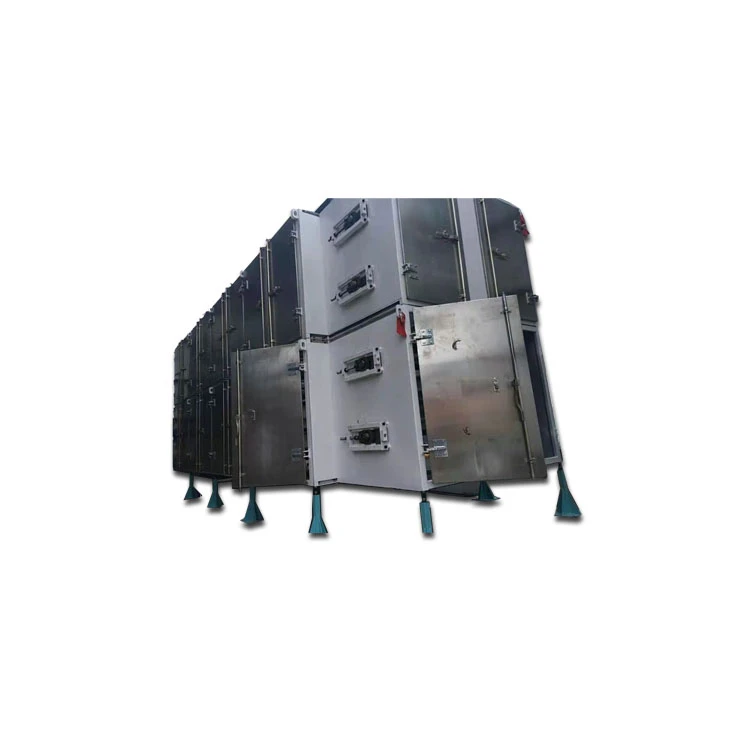
Before we dive into the role of the insulation layer, let's briefly review how a belt dryer works. A belt dryer is a continuous drying system that uses a conveyor belt to transport the material to be dried through a drying chamber. Hot air is circulated through the chamber, removing moisture from the material as it moves along the belt. This process is widely used in industries such as food processing, feed production, and chemical manufacturing to dry a variety of materials, including grains, fruits, vegetables, and powders.
The Functions of the Insulation Layer
The insulation layer in a belt dryer serves several important functions that are essential for the efficient operation of the machine. Here are some of the key functions:
1. Heat Retention
One of the primary functions of the insulation layer is to retain heat within the drying chamber. By preventing heat loss to the surrounding environment, the insulation layer helps to maintain a consistent temperature inside the chamber, which is crucial for achieving optimal drying results. This not only improves the efficiency of the drying process but also reduces energy consumption, as less heat needs to be generated to maintain the desired temperature.
2. Temperature Control
In addition to heat retention, the insulation layer also plays a role in temperature control. By providing a barrier between the hot interior of the drying chamber and the cooler exterior environment, the insulation layer helps to regulate the temperature gradient within the chamber. This ensures that the material being dried is exposed to a uniform temperature throughout the drying process, which is essential for preventing over-drying or under-drying of the material.
3. Energy Efficiency
As mentioned earlier, the insulation layer helps to reduce energy consumption by minimizing heat loss from the drying chamber. This not only saves on energy costs but also makes the belt dryer more environmentally friendly. By using less energy to operate, the belt dryer produces fewer greenhouse gas emissions, contributing to a more sustainable manufacturing process.
4. Noise Reduction
The insulation layer also helps to reduce noise levels generated by the belt dryer. By absorbing and dampening the sound waves produced by the moving parts and the circulation of hot air, the insulation layer creates a quieter working environment for operators. This is especially important in industrial settings where excessive noise can be a health hazard and can also affect the productivity of workers.
5. Protection Against External Factors
The insulation layer provides a protective barrier against external factors such as dust, moisture, and contaminants. By preventing these elements from entering the drying chamber, the insulation layer helps to maintain the cleanliness and integrity of the drying process. This is particularly important in industries such as food processing and pharmaceutical manufacturing, where strict hygiene standards must be met.
Benefits of a Well-Insulated Belt Dryer
The benefits of having a well-insulated belt dryer are numerous and far-reaching. Here are some of the key benefits:
1. Improved Drying Efficiency
By maintaining a consistent temperature inside the drying chamber, a well-insulated belt dryer can significantly improve the drying efficiency of the machine. This means that the material can be dried more quickly and effectively, reducing the overall drying time and increasing the throughput of the production process.
2. Energy Savings
As mentioned earlier, a well-insulated belt dryer can help to reduce energy consumption by minimizing heat loss from the drying chamber. This can result in significant energy savings over the long term, which can translate into cost savings for the manufacturer.
3. Enhanced Product Quality
A well-insulated belt dryer can help to ensure that the material being dried is exposed to a uniform temperature throughout the drying process. This helps to prevent over-drying or under-drying of the material, which can improve the quality and consistency of the final product.
4. Longer Equipment Lifespan
By reducing the amount of heat stress on the components of the belt dryer, a well-insulated machine can help to extend the lifespan of the equipment. This can result in lower maintenance costs and fewer downtime periods, which can improve the overall productivity of the manufacturing process.
5. Compliance with Regulations
In many industries, there are strict regulations regarding energy efficiency and environmental impact. A well-insulated belt dryer can help manufacturers to comply with these regulations by reducing energy consumption and greenhouse gas emissions. This can help to avoid potential fines and penalties and can also enhance the reputation of the manufacturer.
Choosing the Right Insulation Material
When it comes to selecting the insulation material for a belt dryer, there are several factors to consider. Here are some of the key factors:
1. Thermal Conductivity
The thermal conductivity of the insulation material is a measure of its ability to conduct heat. A material with low thermal conductivity is more effective at insulating the drying chamber and reducing heat loss. Some common insulation materials with low thermal conductivity include fiberglass, mineral wool, and polyurethane foam.
2. Temperature Resistance
The insulation material must be able to withstand the high temperatures generated inside the drying chamber. Some insulation materials, such as ceramic fiber, are designed to withstand extremely high temperatures and are therefore suitable for use in high-temperature applications.
3. Moisture Resistance
The insulation material must be resistant to moisture, as moisture can reduce the effectiveness of the insulation and can also cause corrosion and damage to the components of the belt dryer. Some insulation materials, such as closed-cell foam, are designed to be moisture-resistant and are therefore suitable for use in humid environments.
4. Fire Resistance
The insulation material must be fire-resistant to prevent the spread of fire in the event of an ignition. Some insulation materials, such as fiberglass and mineral wool, are naturally fire-resistant and are therefore suitable for use in applications where fire safety is a concern.
5. Cost
The cost of the insulation material is also an important factor to consider. While some insulation materials may be more expensive than others, they may also offer better performance and durability. It is important to balance the cost of the insulation material with its benefits and to choose a material that provides the best value for money.
Conclusion
In conclusion, the insulation layer plays a crucial role in the efficiency, performance, and reliability of a belt dryer. By retaining heat, controlling temperature, reducing energy consumption, and protecting against external factors, the insulation layer helps to ensure that the drying process is safe, efficient, and environmentally friendly. As a belt dryer supplier, I understand the importance of choosing the right insulation material for each application and of ensuring that the insulation layer is properly installed and maintained. If you're in the market for a belt dryer or need to upgrade your existing equipment, I encourage you to contact us to learn more about our Feed Belt Dryer and Food Belt Dryer solutions. Our team of experts is available to answer your questions and to help you select the right equipment for your needs.
References
- ASHRAE Handbook - Fundamentals. American Society of Heating, Refrigerating and Air-Conditioning Engineers.
- Perry's Chemical Engineers' Handbook. McGraw-Hill Education.
- Insulation Materials and Systems. ASTM International.