

Hey there! As a supplier of drag conveyors, I often get asked about the different components of these machines and their roles. One part that's crucial but sometimes overlooked is the housing. So, let's dive into what the role of the housing in a drag conveyor is.
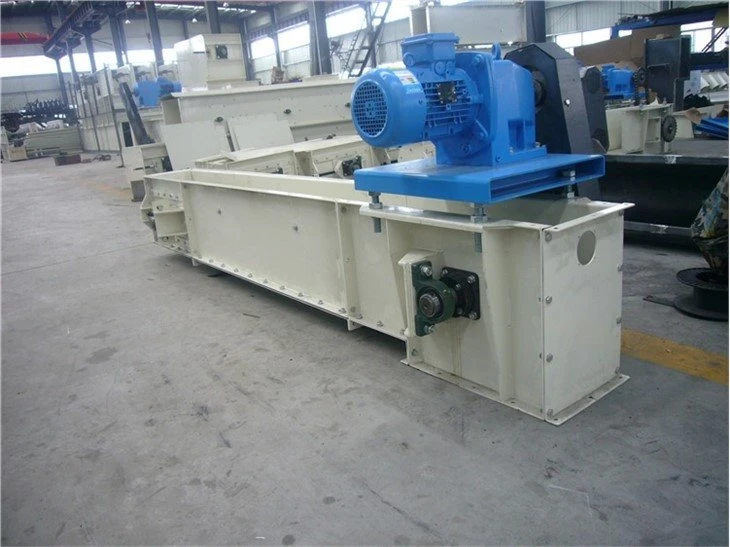
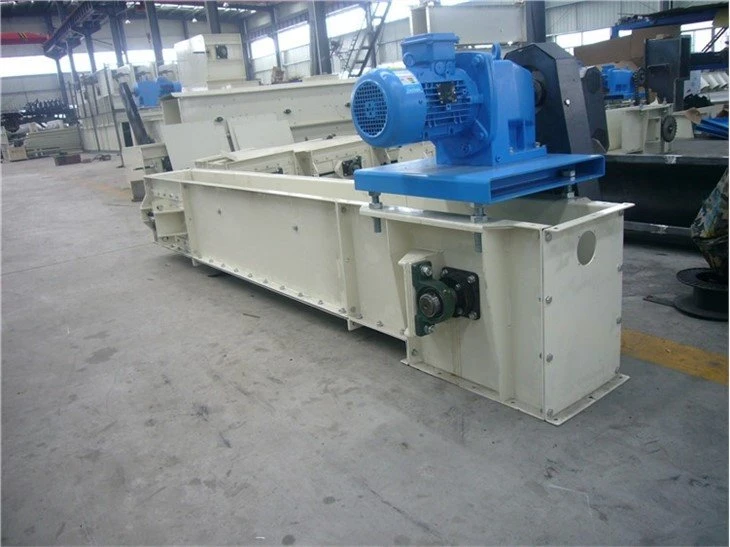
First off, what exactly is a drag conveyor? Well, it's a type of conveyor system that uses a chain or belt with attached flights to move bulk materials along a trough. Drag conveyors are super useful in a bunch of industries, like agriculture, mining, and food processing, to move stuff like grains, coal, and even chemicals.
Now, let's talk about the housing. The housing of a drag conveyor is basically the outer shell that encloses the moving parts of the conveyor. It's like the protective armor for the conveyor, and it plays several key roles.
Protection of Internal Components
One of the main jobs of the housing is to protect the internal components of the drag conveyor. The chain, flights, and other moving parts are pretty delicate and can be easily damaged by external factors. For example, in a mining environment, there could be a lot of dust, dirt, and debris flying around. Without a proper housing, these particles could get into the conveyor and cause wear and tear on the components, leading to breakdowns and costly repairs.
The housing also protects the conveyor from physical damage. In a busy industrial setting, there's always a risk of the conveyor getting bumped into by forklifts, pallets, or other equipment. The housing acts as a shield, absorbing the impact and preventing damage to the internal parts.
Containment of Materials
Another important role of the housing is to contain the materials being conveyed. When you're moving bulk materials, you don't want them spilling out all over the place. Not only is it messy, but it can also be a safety hazard. The housing keeps the materials inside the conveyor, ensuring a clean and efficient operation.
For instance, if you're using a drag conveyor to move grains in a warehouse, the housing prevents the grains from falling onto the floor. This not only keeps the area clean but also reduces the risk of slips and falls. In a chemical processing plant, containing the chemicals is even more critical as spills can be dangerous to the environment and the workers.
Dust and Fume Control
In many industries, the materials being conveyed can produce dust and fumes. These can be harmful to the health of the workers and can also cause environmental problems. The housing of the drag conveyor helps to control the spread of dust and fumes.
It can be designed with seals and ventilation systems to capture and contain the dust and fumes. For example, in a cement manufacturing plant, the housing of the drag conveyor can be equipped with dust collectors to remove the dust particles from the air before they are released into the environment. This not only protects the workers but also helps the company comply with environmental regulations.
Structural Support
The housing also provides structural support for the drag conveyor. It holds all the components in place and ensures that the conveyor operates smoothly. A well-designed housing is strong enough to withstand the weight of the materials being conveyed and the forces generated by the moving parts.
In some cases, the housing can also be used to mount the conveyor to the floor or other structures. This provides additional stability and helps to prevent vibrations and noise during operation.
Types of Housing
There are different types of housing available for drag conveyors, depending on the application and the requirements of the customer. Some common types include:
- Enclosed Housing: This type of housing completely encloses the conveyor, providing maximum protection and containment. It's often used in applications where there's a high risk of dust and fume generation or where the materials being conveyed are hazardous. You can learn more about Drag Chain Conveyor which usually comes with enclosed housing options.
- Open Housing: An open housing is less enclosed and allows for easy access to the conveyor components. It's typically used in applications where the materials being conveyed are not likely to spill or where quick maintenance and inspection are required.
- Customized Housing: Some customers may have specific requirements for their drag conveyors, and in such cases, a customized housing can be designed. This could include features like special coatings, additional access doors, or unique shapes to fit into a particular space.
Importance of Choosing the Right Housing
Choosing the right housing for your drag conveyor is crucial. It can have a big impact on the performance, reliability, and safety of the conveyor. A poorly designed or inappropriate housing can lead to problems such as material spills, component damage, and increased maintenance costs.
When selecting a housing, you need to consider factors such as the type of materials being conveyed, the environment in which the conveyor will operate, and the required level of protection and containment. For example, if you're moving abrasive materials, you'll need a housing that's made of a durable material that can withstand the wear and tear. If you're working in a wet or corrosive environment, the housing should be made of a corrosion-resistant material.
Our Offerings
As a drag conveyor supplier, we offer a wide range of housing options for our TGSSP Series Level Drag Conveyor models. We understand that every customer has different needs, and we're committed to providing the best solutions. Our team of experts can help you choose the right housing for your specific application, taking into account all the relevant factors.
Whether you need a standard enclosed housing or a customized solution, we've got you covered. We use high-quality materials and advanced manufacturing techniques to ensure that our housings are strong, durable, and reliable.
Conclusion
In conclusion, the housing of a drag conveyor plays a vital role in its operation. It protects the internal components, contains the materials being conveyed, controls dust and fumes, and provides structural support. Choosing the right housing is essential for the performance and longevity of the conveyor.
If you're in the market for a drag conveyor or need to replace the housing of your existing conveyor, don't hesitate to get in touch with us. We'd be happy to discuss your requirements and provide you with a customized solution. Let's work together to ensure that your conveyor system operates at its best.
References
- Perry, R. H., & Green, D. W. (Eds.). (2008). Perry's Chemical Engineers' Handbook. McGraw-Hill.
- CEMA (Conveyor Equipment Manufacturers Association). (2016). Belt Conveyors for Bulk Materials. CEMA.