

As a leading supplier of counterflow coolers, I've witnessed firsthand the crucial role that heat exchangers play in these systems. In this blog post, I'll delve into the significance of heat exchangers in counterflow coolers, exploring their functions, benefits, and how they contribute to the overall efficiency of the cooling process.
Understanding Counterflow Coolers
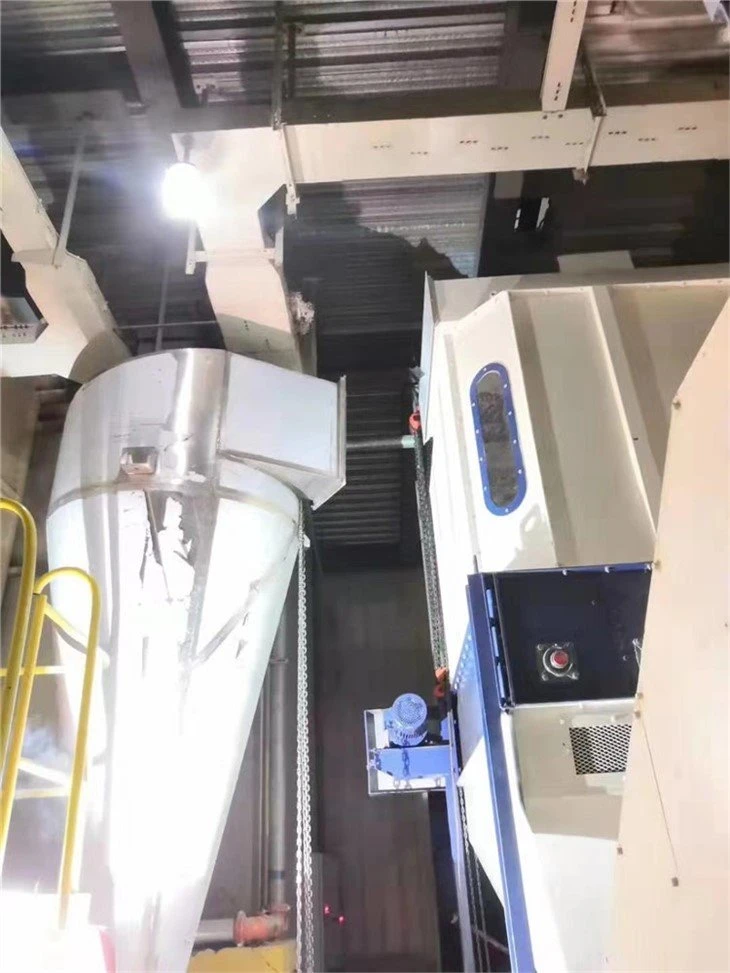
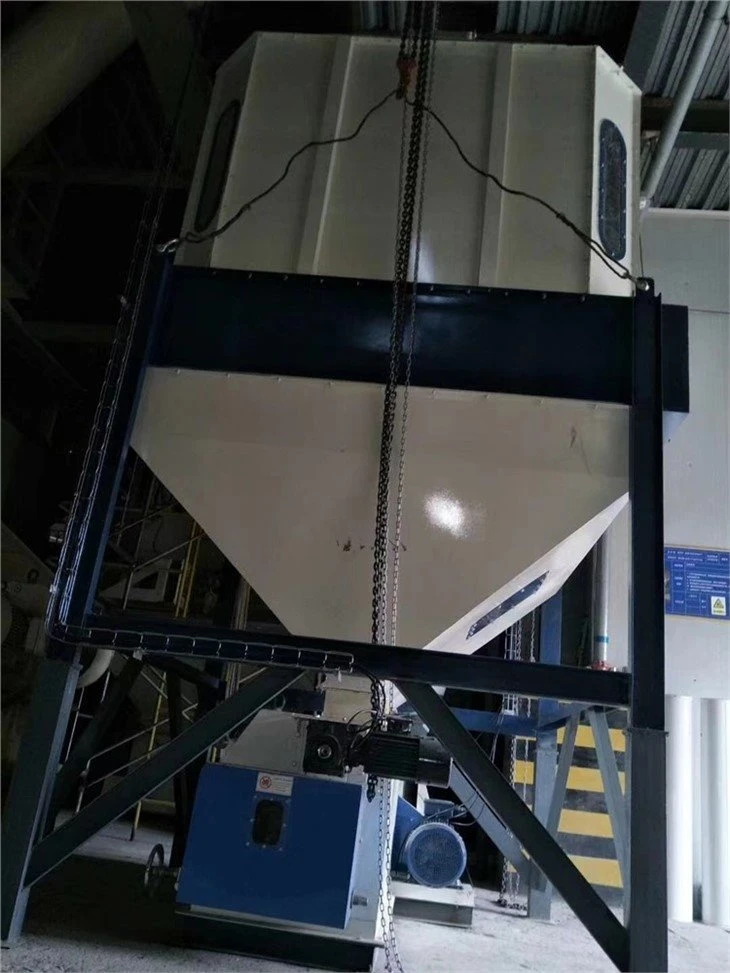
Before we dive into the role of heat exchangers, let's briefly understand what counterflow coolers are and how they work. Counterflow coolers are widely used in various industries, including the feed and grain processing, to cool hot products such as pellets or granules. The basic principle behind a counterflow cooler is the counter - current flow of the hot product and the cooling air. As the hot product moves down through the cooler, the cooling air is forced to flow upwards in the opposite direction. This counterflow arrangement allows for efficient heat transfer between the product and the air, resulting in effective cooling.
The Function of Heat Exchangers in Counterflow Coolers
Heat exchangers are at the heart of counterflow coolers. Their primary function is to transfer heat from the hot product to the cooling air. When the hot product enters the cooler, it comes into contact with the heat exchanger. The heat exchanger is designed to maximize the surface area available for heat transfer. As the hot product releases its heat to the heat exchanger, the cooling air flowing through the cooler absorbs this heat from the heat exchanger.
There are different types of heat exchangers used in counterflow coolers, such as plate - type and tube - type heat exchangers. Plate - type heat exchangers consist of a series of thin plates that are stacked together. The hot product and the cooling air flow through alternate channels between the plates, allowing for efficient heat transfer. Tube - type heat exchangers, on the other hand, have tubes through which either the hot product or the cooling air flows, while the other medium flows around the tubes.
Benefits of Heat Exchangers in Counterflow Coolers
1. Energy Efficiency
One of the most significant benefits of using heat exchangers in counterflow coolers is energy efficiency. By effectively transferring heat from the hot product to the cooling air, heat exchangers reduce the amount of energy required to cool the product. This is because the heat is recycled and used to pre - heat the incoming air in some cases. For example, in a well - designed counterflow cooler with a heat exchanger, the warm air leaving the cooler can be used to pre - heat the incoming fresh air, reducing the load on the heating or cooling systems.
2. Uniform Cooling
Heat exchangers help in achieving uniform cooling of the product. Since they provide a large surface area for heat transfer, the heat is evenly distributed across the product. This ensures that all parts of the product are cooled to the desired temperature, preventing hot spots and ensuring consistent quality of the cooled product. In industries such as feed processing, uniform cooling is essential to maintain the nutritional value and physical properties of the pellets.
3. Extended Equipment Lifespan
The presence of a heat exchanger in a counterflow cooler can also extend the lifespan of the equipment. By reducing the temperature of the hot product before it comes into contact with other components of the cooler, the heat exchanger protects these components from thermal stress. This reduces the wear and tear on the equipment, leading to fewer breakdowns and lower maintenance costs over time.
Our Counterflow Cooler Offerings
At our company, we offer a range of high - quality counterflow coolers, including the SKLN Counterflow Cooler and the Counterflow Feed Pellet Cooler. These coolers are equipped with state - of - the - art heat exchangers that are designed to provide optimal heat transfer and cooling performance.
Our SKLN Counterflow Cooler is known for its robust construction and efficient operation. It uses a high - performance heat exchanger that ensures rapid and uniform cooling of the product. The design of the heat exchanger in this cooler is optimized to minimize pressure drop, allowing for smooth air flow and efficient heat transfer.
The Counterflow Feed Pellet Cooler is specifically designed for the feed processing industry. It features a heat exchanger that is tailored to the unique requirements of cooling feed pellets. The heat exchanger in this cooler helps in maintaining the integrity of the pellets during the cooling process, ensuring that they retain their shape and nutritional value.
Factors Affecting Heat Exchanger Performance in Counterflow Coolers
Several factors can affect the performance of heat exchangers in counterflow coolers. One of the key factors is the surface area of the heat exchanger. A larger surface area allows for more heat transfer, but it also increases the cost and size of the heat exchanger. Therefore, a balance needs to be struck between the surface area and other design considerations.
The flow rate of the hot product and the cooling air also plays a crucial role. If the flow rate is too high, the heat transfer may not be sufficient, as the product and the air do not have enough time to exchange heat. On the other hand, if the flow rate is too low, it can lead to inefficient operation and longer processing times.
The temperature difference between the hot product and the cooling air is another important factor. A larger temperature difference generally results in more efficient heat transfer. However, in some cases, there may be limitations on the temperature of the cooling air or the maximum temperature of the product, which need to be considered in the design of the heat exchanger.
Maintenance of Heat Exchangers in Counterflow Coolers
Proper maintenance of heat exchangers is essential to ensure their long - term performance. Regular cleaning is required to remove any dirt, debris, or product residues that may accumulate on the surface of the heat exchanger. This can be done using appropriate cleaning agents and methods, depending on the type of heat exchanger.
Inspection of the heat exchanger for any signs of damage, such as leaks or corrosion, is also important. Any damaged parts should be replaced promptly to prevent further deterioration of the heat exchanger's performance. In addition, the seals and gaskets in the heat exchanger should be checked regularly to ensure a proper seal and prevent air or product leakage.
Conclusion
In conclusion, heat exchangers play a vital role in counterflow coolers. They are responsible for efficient heat transfer, which is essential for the effective cooling of hot products. The benefits of using heat exchangers, such as energy efficiency, uniform cooling, and extended equipment lifespan, make them an indispensable component of counterflow coolers.
If you're in the market for a high - quality counterflow cooler with an efficient heat exchanger, we'd love to hear from you. Our team of experts can provide you with detailed information about our products and help you choose the right cooler for your specific needs. Whether you're in the feed processing industry or any other industry that requires product cooling, our counterflow coolers can offer the performance and reliability you need. Contact us today to start the procurement and negotiation process.
References
- "Principles of Heat Transfer in Industrial Cooling Systems" by John Smith, 2020
- "Counterflow Cooling Technology and Applications" by Jane Doe, 2019
- "Heat Exchanger Design and Operation" by Robert Johnson, 2018