

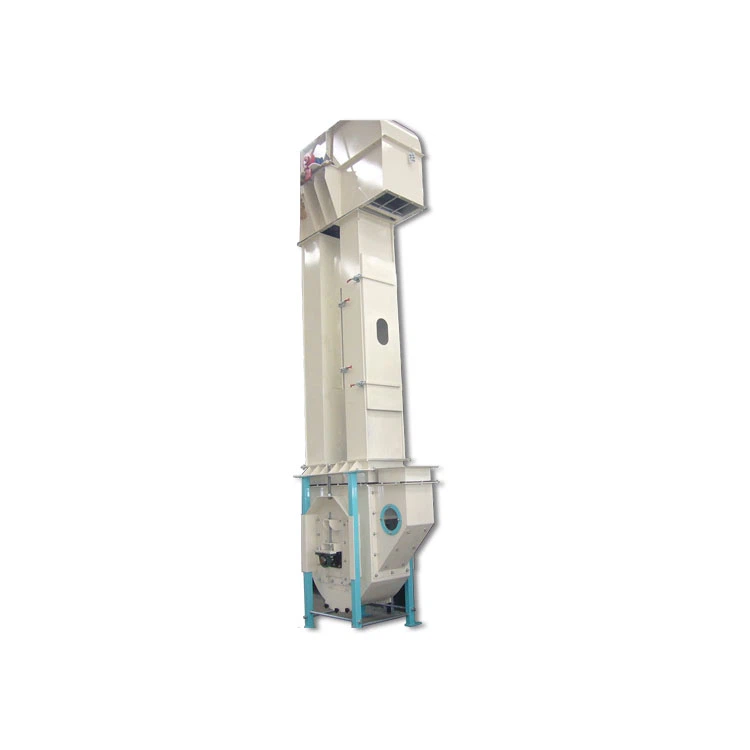
A bucket elevator is a crucial piece of equipment in many industrial settings, designed to vertically convey bulk materials from one level to another. As a leading bucket elevator supplier, we understand the importance of a well - structured maintenance schedule to ensure the optimal performance, longevity, and safety of these machines. In this blog, we will delve into the details of what a comprehensive maintenance schedule for a bucket elevator should entail.

Daily Maintenance
The first line of defense in keeping a bucket elevator in top condition is daily maintenance. This quick but essential check - up helps to identify any immediate issues that could escalate into major problems if left unattended.
- Visual Inspection: At the start of each shift, operators should conduct a visual inspection of the entire elevator system. Check for any signs of wear and tear on the buckets, belts or chains, and the housing. Look for loose or missing bolts, damaged buckets, or any signs of material spillage. For instance, if a bucket is cracked, it may cause the material to leak during the conveying process, leading to inefficiencies and potential safety hazards.
- Lubrication Check: Ensure that all the lubrication points are properly greased. This includes the bearings, sprockets, and any other moving parts. Insufficient lubrication can cause excessive friction, leading to premature wear of components and even breakdowns. A simple daily check can prevent these issues from occurring.
- Operation Monitoring: During normal operation, monitor the elevator's performance. Listen for any unusual noises, such as rattling or grinding, which could indicate a problem with the drive system, buckets, or other components. Also, check the speed and smoothness of the operation. Any sudden changes in speed or jerky movements should be investigated immediately.
Weekly Maintenance
Weekly maintenance takes a more in - depth look at the bucket elevator system, addressing issues that may not be apparent during daily checks.
- Belt or Chain Tension: Check the tension of the belt or chain. Over time, the belt or chain may stretch, leading to improper operation and potential slippage. Use a tension gauge to ensure that the tension is within the manufacturer's recommended range. If the tension is too loose, it can cause the buckets to misalign or the drive system to work harder, increasing energy consumption and wear.
- Cleaning: Thoroughly clean the elevator housing and surrounding areas. Remove any accumulated dust, debris, or spilled material. This not only helps to maintain a clean working environment but also prevents the build - up of material that could cause blockages or interfere with the operation of the elevator.
- Electrical System Check: Inspect the electrical components, including the motor, control panel, and wiring. Look for any signs of overheating, loose connections, or damaged insulation. Electrical problems can lead to malfunctions or even fires, so it's crucial to address them promptly.
Monthly Maintenance
Monthly maintenance focuses on more comprehensive inspections and preventive measures to ensure the long - term reliability of the bucket elevator.
- Bucket Inspection: Examine each bucket for signs of wear and damage. Replace any buckets that are cracked, worn beyond the recommended limit, or have loose attachments. Worn buckets can affect the efficiency of material conveyance and may cause spillage.
- Sprocket and Pulley Inspection: Check the sprockets and pulleys for signs of wear, such as tooth damage or uneven wear patterns. Misaligned or worn sprockets and pulleys can cause the belt or chain to wear prematurely and may affect the overall performance of the elevator.
- Drive System Maintenance: Inspect the drive system, including the motor, gearbox, and couplings. Check the oil level in the gearbox and change the oil if necessary according to the manufacturer's recommendations. Also, ensure that the couplings are properly aligned and have no signs of damage.
Quarterly Maintenance
Quarterly maintenance involves more in - depth testing and calibration to keep the bucket elevator operating at peak performance.
- Performance Testing: Conduct performance tests to measure the elevator's capacity, speed, and efficiency. Compare the results with the manufacturer's specifications to identify any deviations. If there are significant differences, further investigation may be required to determine the cause, such as a clogged discharge chute or a worn drive system.
- Alignment and Leveling: Check the alignment of the elevator components, including the head and boot sections, and the belt or chain. Ensure that the elevator is level and properly aligned to prevent excessive wear on the components and to ensure smooth operation.
- Safety Device Inspection: Inspect all the safety devices, such as emergency stop buttons, speed sensors, and overload protection devices. Test these devices to ensure that they are functioning correctly. Safety is of utmost importance in any industrial setting, and malfunctioning safety devices can pose a serious risk to operators.
Annual Maintenance
Annual maintenance is a comprehensive overhaul of the bucket elevator system to ensure its long - term viability.
- Component Replacement: Based on the wear and tear observed during the previous maintenance checks, replace any major components that are nearing the end of their service life. This may include the belt or chain, buckets, bearings, and sprockets.
- Complete Cleaning and Painting: Perform a thorough cleaning of the entire elevator system, including hard - to - reach areas. After cleaning, paint the housing and other exposed parts to prevent corrosion and extend the lifespan of the equipment.
- System Upgrade: Consider upgrading the elevator system if necessary to improve its performance, efficiency, or safety. This could involve installing new control systems, energy - efficient motors, or advanced monitoring devices.
Importance of a Maintenance Schedule
A well - defined maintenance schedule is essential for several reasons. Firstly, it helps to prevent unexpected breakdowns, which can cause costly production downtime. By regularly inspecting and maintaining the bucket elevator, potential problems can be identified and addressed before they lead to major failures. Secondly, proper maintenance extends the lifespan of the equipment, reducing the need for frequent replacements. This not only saves money but also ensures that the elevator operates at peak performance throughout its service life. Finally, a maintenance schedule helps to maintain a safe working environment by ensuring that all safety devices are functioning correctly and that the equipment is in good condition.
Our Offerings
As a bucket elevator supplier, we provide a wide range of high - quality bucket elevators, including Flour Bucket Elevator and TDTG Bucket Elevator. Our products are designed with durability, efficiency, and safety in mind. In addition to supplying top - notch equipment, we also offer professional maintenance services to help our customers keep their bucket elevators in optimal condition. Our team of experienced technicians is well - versed in all aspects of bucket elevator maintenance and can provide customized maintenance schedules based on your specific needs.
If you are in the market for a new bucket elevator or need assistance with the maintenance of your existing equipment, we encourage you to contact us for a detailed discussion. Our experts are ready to help you find the best solutions for your material handling needs.
References
- Manufacturer's manuals for bucket elevators
- Industry standards for conveyor equipment maintenance
- Technical papers on the operation and maintenance of bucket elevators