

What is the load - bearing capacity of a drag conveyor?
As a supplier of drag conveyors, I often encounter inquiries from customers regarding the load - bearing capacity of these essential industrial machines. Understanding the load - bearing capacity of a drag conveyor is crucial for ensuring its efficient and safe operation in various industrial applications.
Factors Affecting the Load - Bearing Capacity
1. Conveyor Design and Construction
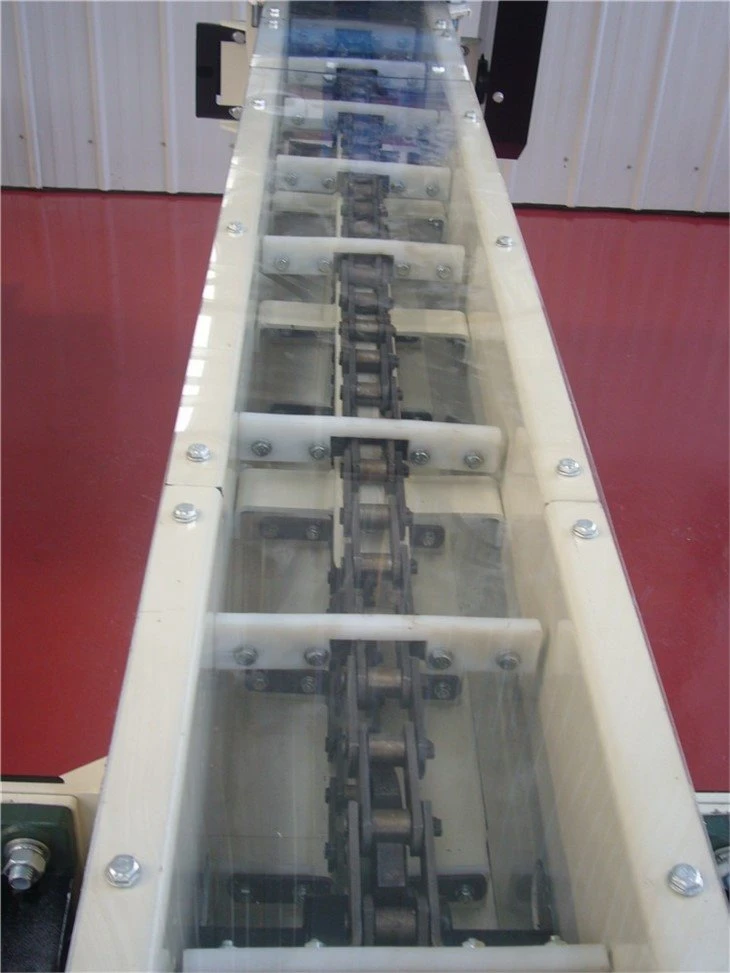
The design and construction of a drag conveyor play a significant role in determining its load - bearing capacity. The size and strength of the conveyor frame, the type and thickness of the chain, and the design of the flight bars all contribute to the overall strength of the conveyor. For example, a conveyor with a heavy - duty frame and a thick, high - strength chain will generally have a higher load - bearing capacity than a lighter - duty model.
The TGSSP Series Level Drag Conveyor is a prime example of a well - designed drag conveyor. Its robust frame and high - quality chain are engineered to handle substantial loads. The flight bars are also designed to efficiently move the material along the conveyor, distributing the load evenly and reducing stress on the chain and frame.
2. Material Characteristics
The type of material being conveyed is another critical factor. Different materials have different densities, particle sizes, and flow properties. Materials with high density, such as metals or minerals, will generally require a conveyor with a higher load - bearing capacity compared to lighter materials like grains or powders.
For instance, if you are conveying large, heavy rocks, the conveyor needs to be able to withstand the weight and abrasion of these materials. On the other hand, if you are dealing with fine powders, the focus may be more on preventing material spillage and ensuring smooth flow rather than sheer load - bearing capacity.
3. Conveyor Speed
The speed at which the drag conveyor operates also affects its load - bearing capacity. A slower - moving conveyor can typically handle a larger load because there is more time for the material to be moved along the conveyor without overloading the system. In contrast, a high - speed conveyor may require a lower load to prevent chain breakage or other mechanical failures.
Calculating the Load - Bearing Capacity
Calculating the load - bearing capacity of a drag conveyor is a complex process that involves considering multiple factors. It is usually based on the maximum weight of the material that the conveyor can safely handle over a given period.
One common approach is to first determine the cross - sectional area of the conveyor trough. This area, combined with the density of the material being conveyed, can give an estimate of the weight of the material per unit length of the conveyor. Then, factors such as the chain strength, the power of the drive motor, and the allowable stress on the conveyor components are taken into account.
Manufacturers often conduct extensive testing to determine the load - bearing capacity of their conveyors under different conditions. These tests help to ensure that the conveyors are rated accurately and can operate safely in real - world applications.
Importance of Correct Load - Bearing Capacity
1. Operational Efficiency
Using a drag conveyor with the correct load - bearing capacity is essential for maintaining operational efficiency. If the conveyor is overloaded, it may experience frequent breakdowns, increased wear and tear on components, and reduced throughput. On the other hand, if the conveyor is under - utilized, it may be an inefficient use of resources.
2. Safety
Safety is a top priority in any industrial setting. An overloaded drag conveyor can pose significant safety risks, such as chain breakage, which can lead to material spillage and potential injury to workers. By ensuring that the conveyor is operating within its load - bearing capacity, the risk of accidents can be minimized.
Different Types of Drag Conveyors and Their Load - Bearing Capacities
1. Enclosed Drag Conveyors
Enclosed drag conveyors are designed to handle a wide range of materials, from fine powders to large chunks. Their enclosed design helps to prevent material spillage and dust emissions. These conveyors can have varying load - bearing capacities depending on their size and construction. Smaller enclosed drag conveyors may be suitable for handling light loads in food or pharmaceutical industries, while larger ones can handle heavy loads in mining or construction applications.
2. Drag Chain Conveyor
Drag chain conveyors are known for their durability and ability to handle heavy loads. They use a chain with attached flight bars to move the material along the conveyor. The load - bearing capacity of a drag chain conveyor is determined by the strength of the chain, the size of the flight bars, and the power of the drive system. These conveyors are commonly used in industries such as steel, cement, and automotive manufacturing, where large quantities of heavy materials need to be transported.
Meeting Your Specific Load - Bearing Requirements
As a drag conveyor supplier, we understand that each customer has unique requirements when it comes to load - bearing capacity. That's why we offer a wide range of drag conveyors, including the TGSSP Series Level Drag Conveyor and Drag Chain Conveyor, to meet different needs.
Our team of experts can work with you to analyze your specific application, including the type of material, the required throughput, and the operating environment. Based on this analysis, we can recommend the most suitable conveyor with the appropriate load - bearing capacity.
If you are in the process of selecting a drag conveyor for your industrial application, we encourage you to reach out to us. Our experienced sales team is ready to discuss your requirements in detail and provide you with a customized solution. Whether you need a conveyor for a small - scale operation or a large - scale industrial project, we have the expertise and products to meet your needs. Contact us today to start the conversation about your drag conveyor requirements.

References
- Conveyor Equipment Manufacturers Association (CEMA). Conveyor Design Manual.
- Perry, R. H., & Green, D. W. (Eds.). Perry's Chemical Engineers' Handbook.
- Industrial Conveyor Systems: Design and Selection by Neil A. Stelter.