

Hey there! I'm a supplier of rotary distributors, and today I wanna chat about something super important: the impact of temperature on a rotary distributor.
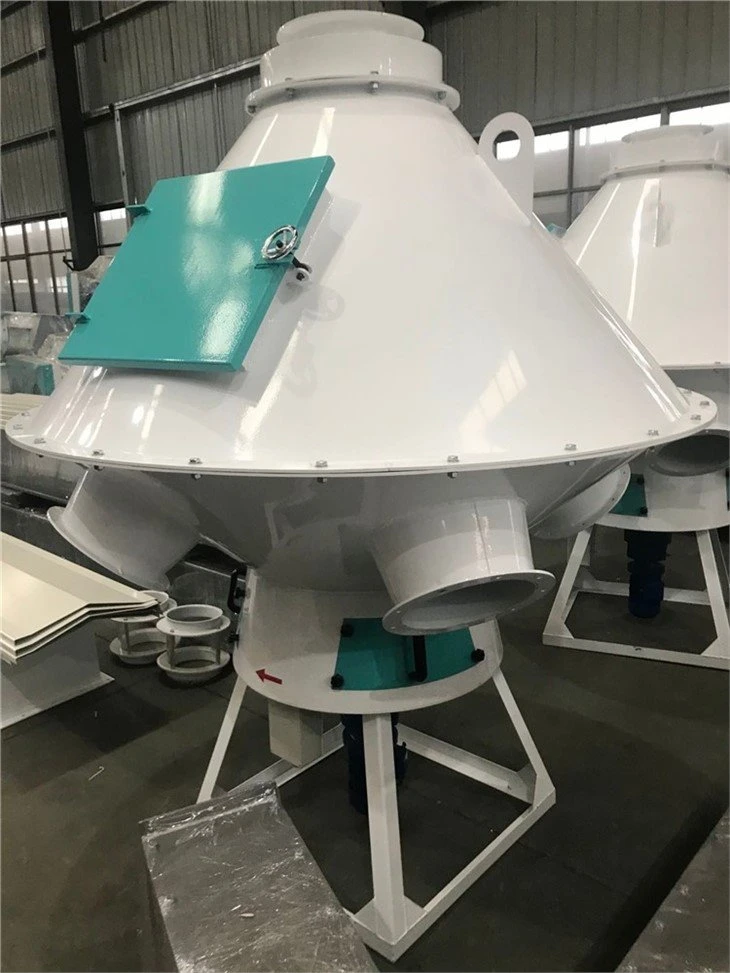
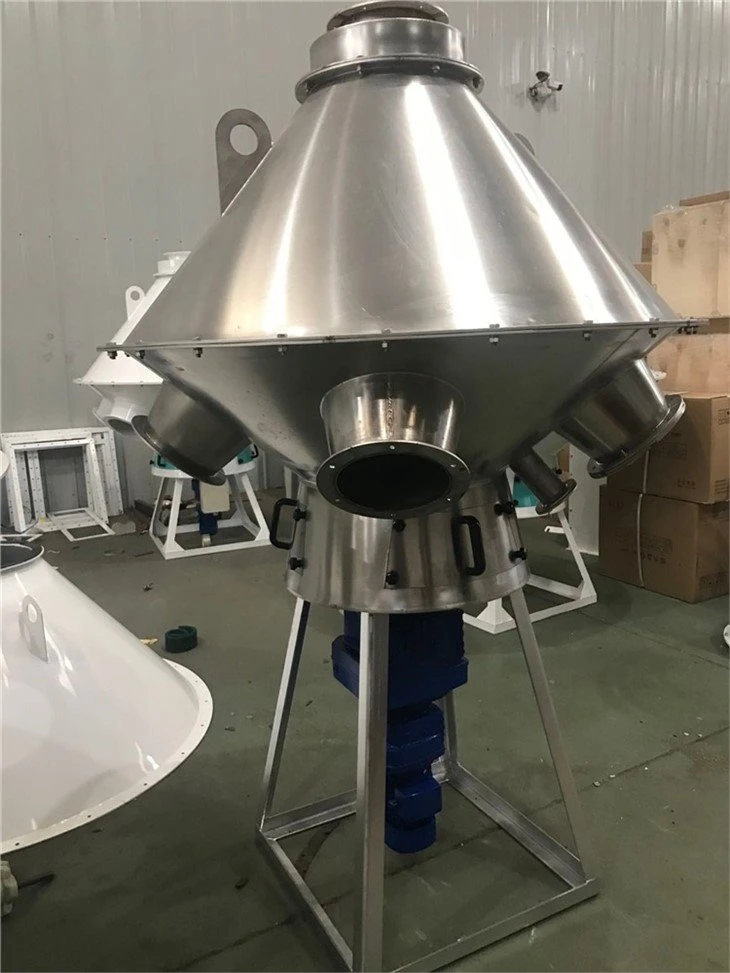
First off, let's quickly understand what a rotary distributor is. It's a nifty piece of equipment used in various industries to evenly distribute materials. Whether it's powder, grains, or stuff for feed machines, rotary distributors play a crucial role. You can check out our Powder Rotary Distributor, Rotary Grain Distributor, and Rotary Distributor for Feed Machine on our website.
Now, let's dig into how temperature can mess with a rotary distributor.
Effects of High Temperature
Material Flow Issues
When the temperature gets too high, the material being distributed can change its properties. For powders, high temperatures can cause them to clump together. This is because the heat can make the particles sticky. Imagine trying to pour sand that's all glued together – it won't flow smoothly. In a rotary distributor, this clumping can lead to uneven distribution. Some outlets might get a big chunk of the clumped material, while others get hardly anything.
For grains, high temperatures can make them expand. This expansion can cause blockages in the distributor's channels. The grains might jam up, preventing the normal rotation of the distributor. And when the rotation is disrupted, the whole distribution process goes haywire.
Mechanical Wear and Tear
High temperatures can also take a toll on the mechanical parts of the rotary distributor. The bearings, which are essential for smooth rotation, can overheat. When bearings overheat, the lubricant inside them can break down. Without proper lubrication, the metal parts start to rub against each other, causing friction. This friction leads to wear and tear, and over time, the bearings can fail.
The belts and chains that drive the rotary distributor are also affected. Heat can make the belts and chains stretch. A stretched belt or chain won't fit properly, which can cause slipping. This slipping means that the distributor might not rotate at the correct speed, and again, the distribution won't be accurate.
Electrical Components
If your rotary distributor has electrical components, like sensors or motors, high temperatures can be a real headache. Electrical components are designed to work within a certain temperature range. When the temperature goes above this range, the components can malfunction.
Sensors might give false readings. For example, a level sensor might think there's more material in the distributor than there actually is because the heat is affecting its accuracy. Motors can overheat and burn out. Once a motor burns out, the distributor stops working altogether.
Effects of Low Temperature
Material Hardening
Just like high temperatures can cause clumping, low temperatures can make materials harden. For powders, they can become so hard that they're like little rocks. These hard particles are difficult to break up and distribute evenly. In a rotary distributor, they can cause abrasion to the internal surfaces. The hard particles scrape against the walls of the distributor, wearing them down over time.
Grains can also become brittle in low temperatures. They're more likely to break when they're being moved around in the distributor. Broken grains can cause problems in the next stage of the production process, and they can also clog up the distributor's outlets.
Lubrication Issues
Low temperatures can make the lubricants in the bearings and other moving parts thicken. Thick lubricant doesn't flow as easily as thin lubricant. It can't reach all the parts that need to be lubricated, which means that the parts won't move as smoothly. This lack of smooth movement can increase the stress on the mechanical components, leading to premature failure.
The seals in the rotary distributor are also affected by low temperatures. Seals are used to prevent leaks. When it's cold, the seals can become stiff and lose their flexibility. A stiff seal might not form a proper seal, allowing material to leak out of the distributor.
How to Mitigate the Impact of Temperature
Temperature Control
One of the best ways to deal with temperature issues is to control the temperature in the environment where the rotary distributor is located. If it's a hot environment, you can use air conditioning or ventilation systems to cool the area. This will help keep the materials and the mechanical parts at a more suitable temperature.
In a cold environment, you can use heaters to warm up the area. Just make sure that the heaters are placed in a way that they don't directly heat the distributor, as that could cause uneven heating and other problems.
Choosing the Right Materials
When manufacturing the rotary distributor, it's important to choose materials that can withstand different temperatures. For example, for the bearings, you can use high-temperature-resistant bearings. These bearings are designed to work well even in hot conditions.
For the belts and chains, there are special heat-resistant and cold-resistant materials available. Using these materials can reduce the impact of temperature on the mechanical parts.
Regular Maintenance
Regular maintenance is crucial. You should check the lubrication levels regularly. If the lubricant is thickening in cold temperatures, you might need to change it to a thinner lubricant. In hot temperatures, you might need to add more lubricant to compensate for the breakdown.
Inspect the mechanical parts for signs of wear and tear. Replace any worn-out parts as soon as possible. This will prevent more serious problems from occurring.
Conclusion
As you can see, temperature has a significant impact on a rotary distributor. Whether it's high or low temperature, it can cause all sorts of problems, from material flow issues to mechanical failures. But by understanding these impacts and taking the right measures, we can minimize the negative effects.
If you're in the market for a rotary distributor or need help with temperature-related issues for your existing distributor, don't hesitate to reach out. We're here to help you get the most out of your rotary distributor and ensure smooth and accurate distribution.
References
- Smith, J. (2020). Industrial Equipment and Temperature Effects. Journal of Industrial Engineering.
- Johnson, A. (2019). Material Behavior Under Temperature Changes. Materials Science Review.