

Hey there! As a supplier of rotary distributors, I've been getting a lot of questions lately about how a modified rotary distributor can impact engine emissions. So, I thought I'd take a deep dive into this topic and share some insights with you all.
First off, let's talk about what a rotary distributor is. In a nutshell, a rotary distributor is a crucial component in an engine's ignition system. It's responsible for distributing high - voltage electricity from the ignition coil to the correct spark plug at the right time. This precise timing is essential for the engine to run smoothly and efficiently.
Now, when we talk about a modified rotary distributor, we're referring to a distributor that has been altered from its original design. These modifications can range from simple adjustments to more complex overhauls. There are a few reasons why someone might choose to modify a rotary distributor. Maybe they're looking to improve engine performance, increase fuel efficiency, or in our case, reduce engine emissions.
How a Modified Rotary Distributor Affects Combustion
One of the main ways a modified rotary distributor impacts engine emissions is by improving the combustion process. In a standard engine, if the spark timing isn't perfect, the fuel - air mixture in the cylinders may not burn completely. This incomplete combustion leads to the production of harmful pollutants such as carbon monoxide (CO), unburned hydrocarbons (HC), and particulate matter.
A modified rotary distributor can optimize the spark timing. By ensuring that the spark plug fires at the exact moment when the piston is in the right position, the fuel - air mixture can burn more thoroughly. When the mixture burns completely, there's less waste, and fewer pollutants are released into the atmosphere. For example, a more precise spark timing can reduce the amount of unburned fuel, which in turn lowers the levels of HC emissions.
Impact on Emission Reduction
Let's break down the impact on different types of emissions:
Carbon Monoxide (CO)
CO is a colorless and odorless gas that's extremely toxic. It's produced when there isn't enough oxygen during the combustion process. A modified rotary distributor can help increase the amount of oxygen available for combustion by improving the timing of the spark. This allows the fuel to react more fully with oxygen, reducing the formation of CO. In some cases, engines with modified rotary distributors have shown a significant decrease in CO emissions, making the air we breathe cleaner.
Unburned Hydrocarbons (HC)
HC emissions are a major contributor to smog and air pollution. They're basically fuel molecules that didn't burn during the combustion process. A well - tuned modified rotary distributor can ensure that the spark ignites the fuel - air mixture at the optimal time, leading to more complete combustion. As a result, there are fewer unburned hydrocarbons left over, and HC emissions are reduced.
Nitrogen Oxides (NOx)
NOx emissions are formed when nitrogen and oxygen in the air react at high temperatures in the engine's combustion chamber. While the relationship between a modified rotary distributor and NOx emissions is a bit more complex, proper spark timing can still have an impact. By adjusting the spark timing to avoid overly high combustion temperatures, a modified distributor can help reduce the formation of NOx. However, it's important to find the right balance because if the spark timing is too far off, it can actually increase NOx emissions.
Our Rotary Distributor Products
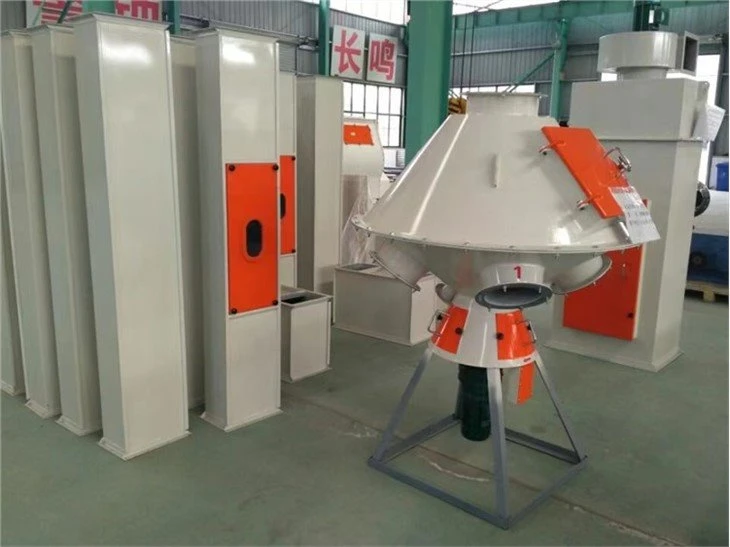
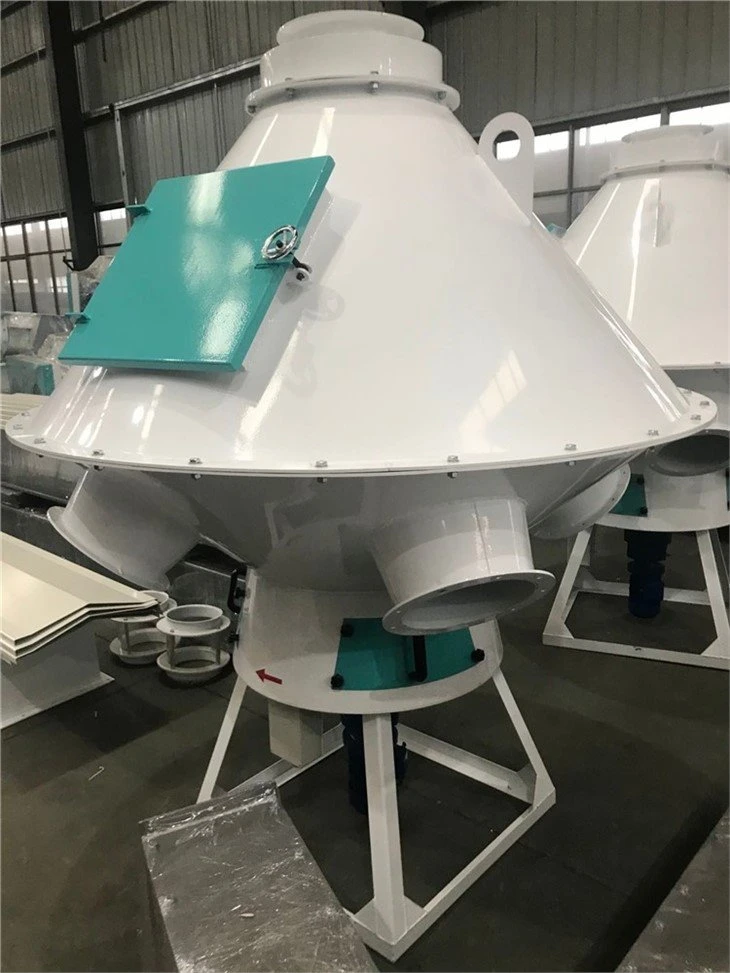
As a supplier, we offer a variety of rotary distributors to meet different needs. If you're in the powder industry, our Powder Rotary Distributor is designed to provide precise distribution, which can also have a positive impact on the overall efficiency of the process and potentially reduce emissions in related systems.
For those in the feed machine business, our Rotary Distributor for Feed Machine ensures accurate feed distribution, which can improve the combustion efficiency of engines in related equipment, thus helping with emission reduction.
And if you're dealing with grains, our Rotary Grain Distributor is a great choice. It can optimize the handling and processing of grains, which may indirectly affect the performance of engines in associated machinery and contribute to lower emissions.
Factors to Consider
While a modified rotary distributor can have a positive impact on engine emissions, there are a few factors to keep in mind. First, the quality of the modification matters. A poorly done modification can actually make things worse, leading to increased emissions and decreased engine performance. That's why it's important to work with a reputable supplier like us who has the expertise and experience to make the right modifications.
Second, the type of engine also plays a role. Different engines have different requirements, and what works well for one engine may not work as effectively for another. Our team of experts can help you determine the best modification for your specific engine to achieve the maximum emission reduction.
Conclusion
In conclusion, a modified rotary distributor can have a significant impact on engine emissions. By improving the combustion process and optimizing spark timing, it can reduce the levels of harmful pollutants such as CO, HC, and NOx. This not only benefits the environment but also helps engines run more efficiently.
If you're interested in learning more about our rotary distributors and how they can help reduce engine emissions, or if you're looking to make a purchase for your specific application, don't hesitate to get in touch. We're here to provide you with the best solutions and help you make a positive impact on the environment while improving your engine's performance.
References
- Heywood, J. B. (1988). Internal Combustion Engine Fundamentals. McGraw - Hill.
- Crolla, D. A. (2001). Vehicle Dynamics: Theory and Application. Society of Automotive Engineers.