

Hey there! As a supplier of Feed Pellet Mills, I've seen firsthand how crucial temperature is in the pelletizing process. In this blog, I'm gonna break down the effects of temperature on the pelletizing process in a feed pellet mill and why it matters to you as a customer.
Understanding the Pelletizing Process
Before we dive into the role of temperature, let's quickly go over what happens in a feed pellet mill. The pelletizing process involves taking raw feed materials, such as grains, proteins, and additives, and turning them into uniform pellets. This is done by first grinding the raw materials into a fine powder. Then, the powder is conditioned, which means adding moisture and heat to make it more malleable. Finally, the conditioned material is forced through a die to form pellets.

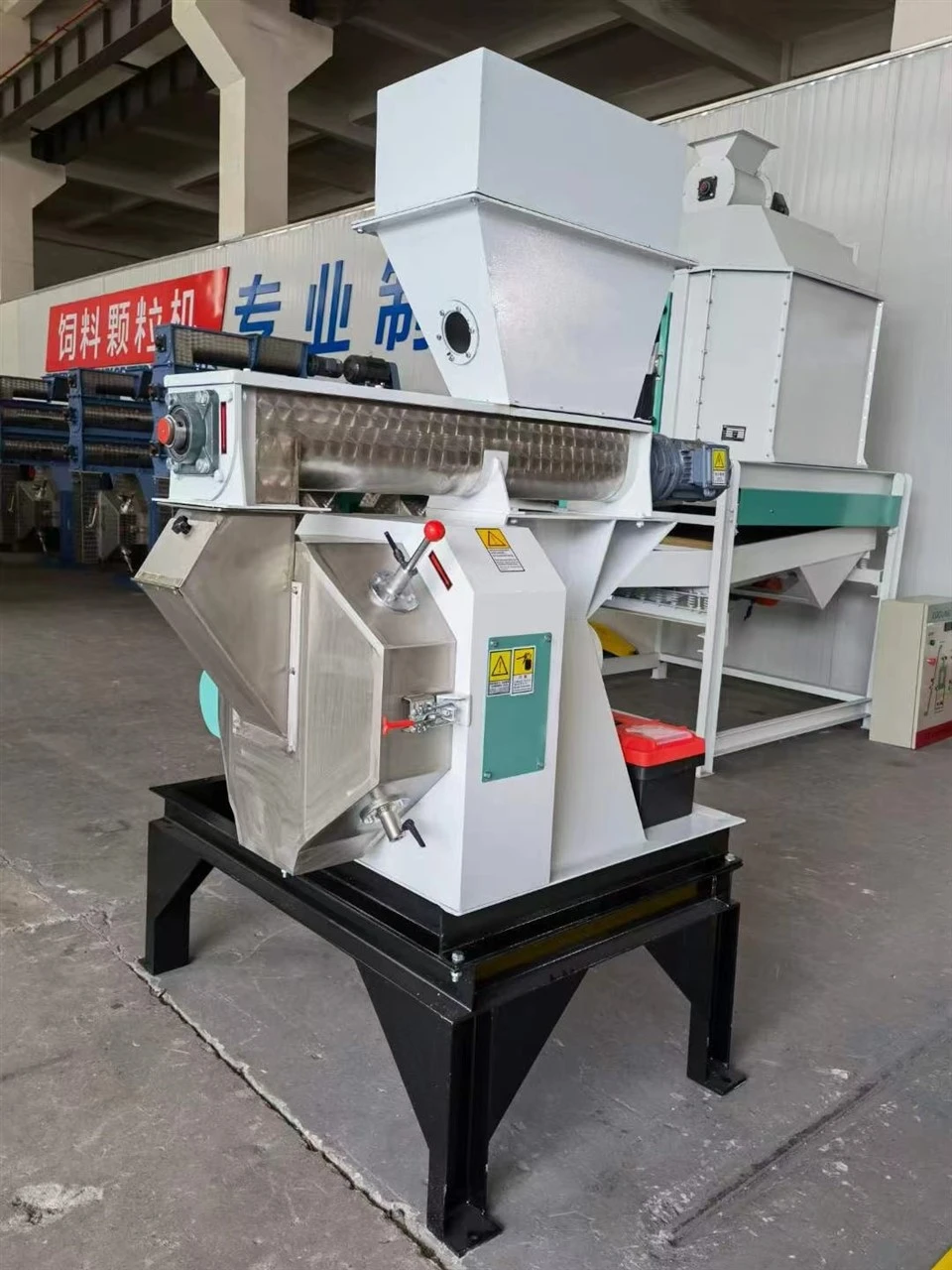
The Role of Temperature in Conditioning
One of the most critical steps in the pelletizing process is conditioning. This is where temperature plays a huge role. When we talk about conditioning, we're essentially preparing the feed material to be formed into pellets. By adding heat and moisture, we can improve the physical and chemical properties of the feed.
Starch Gelatinization
One of the key effects of temperature during conditioning is starch gelatinization. Starch is a major component of many feed ingredients, like corn and wheat. When heated in the presence of moisture, starch granules absorb water and swell. This process, known as gelatinization, makes the starch more digestible for animals. It also helps to bind the feed particles together, resulting in stronger and more durable pellets.
Typically, starch gelatinization starts to occur at around 60 - 70°C (140 - 158°F). As the temperature increases, the degree of gelatinization also increases. However, if the temperature gets too high, it can lead to over - gelatinization, which may cause the pellets to become too soft or sticky.
Protein Denaturation
Temperature also affects protein in the feed. When proteins are exposed to heat, they undergo a process called denaturation. This changes the structure of the protein, making it more available for digestion. Just like with starch, the right amount of heat is crucial. If the temperature is too low, the proteins won't denature effectively, and the feed may not be as nutritious. On the other hand, excessive heat can cause the proteins to become over - denatured, which can reduce their solubility and digestibility.
Microbial Reduction
Another important aspect of conditioning is microbial reduction. By heating the feed material to a certain temperature, we can kill off harmful bacteria, viruses, and fungi. This is especially important for ensuring the safety and quality of the feed. For example, heating the feed to around 80 - 90°C (176 - 194°F) for a sufficient amount of time can significantly reduce the microbial load.
Effects of Temperature on Pellet Quality
The temperature during the pelletizing process has a direct impact on the quality of the final pellets.
Pellet Durability
Pellet durability is a measure of how well the pellets hold together during handling and transportation. As we mentioned earlier, proper starch gelatinization and protein denaturation due to the right temperature can improve pellet durability. When the temperature is within the optimal range, the feed particles bind together tightly, resulting in hard and durable pellets. If the temperature is too low, the pellets may be weak and crumbly. Conversely, if the temperature is too high, the pellets may be too soft and prone to breakage.
Pellet Density
Temperature also affects pellet density. Higher temperatures generally lead to higher pellet density. This is because the heat and moisture cause the feed particles to compress more tightly together. Dense pellets are beneficial as they are less likely to break during handling and can be more efficiently stored and transported.
Optimal Temperature Ranges
So, what are the optimal temperature ranges for the pelletizing process? Well, it depends on several factors, including the type of feed ingredients, the moisture content, and the desired pellet quality.
For most common feed ingredients, the conditioning temperature typically ranges from 70 - 90°C (158 - 194°F). This range allows for sufficient starch gelatinization and protein denaturation without causing over - processing. However, some specialized feeds may require different temperature ranges. For example, feeds with high - fat content may need lower temperatures to prevent the fat from melting and causing the pellets to become sticky.
Equipment and Temperature Control
At our company, we understand the importance of precise temperature control in the pelletizing process. That's why we offer a range of high - quality equipment, such as the Stainless Steel DDC Conditioner. This conditioner is designed to accurately control the temperature and moisture of the feed material during conditioning, ensuring optimal pellet quality.
We also have the Rabbit Pellet Making Machine, which is specifically designed for producing high - quality rabbit feed pellets. This machine is equipped with advanced temperature control systems to meet the specific requirements of rabbit feed production.
In addition, our Stainless Steel Hygienizer can be used to further improve the safety and quality of the feed by ensuring proper heat treatment to reduce microbial contamination.
Conclusion
In conclusion, temperature is a critical factor in the pelletizing process of a feed pellet mill. It affects everything from starch gelatinization and protein denaturation to pellet durability and density. By understanding the effects of temperature and using the right equipment to control it, we can produce high - quality feed pellets that are nutritious, durable, and safe for animals.
If you're in the market for a feed pellet mill or related equipment, we'd love to have a chat with you. Whether you're a small - scale farmer or a large - scale feed producer, we have the solutions to meet your needs. Get in touch with us to discuss your requirements and let's work together to take your feed production to the next level.
References
- Huber, K. C., & Stein, H. H. (2011). Influence of feed processing on starch digestibility in swine. Journal of Animal Science, 89(9), 2901 - 2912.
- Wiseman, J., & Cole, D. J. A. (Eds.). (1992). Developments in feed formulation and manufacture. Elsevier Applied Science.