

Hey there! As a supplier of Feed Mill Grinders, I often get asked about the dust emission level of these machines. It's a crucial topic, not just for environmental reasons but also for the health and safety of workers in feed mills. So, let's dive right in and explore what the dust emission level of a Feed Mill Grinder really is.
First off, what exactly causes dust emissions in a Feed Mill Grinder? Well, when the grinder is operating, it's breaking down feed materials into smaller particles. During this process, some of these tiny particles can become airborne, creating dust. The amount of dust emitted depends on several factors, including the type of grinder, the feed materials being processed, and the operating conditions.
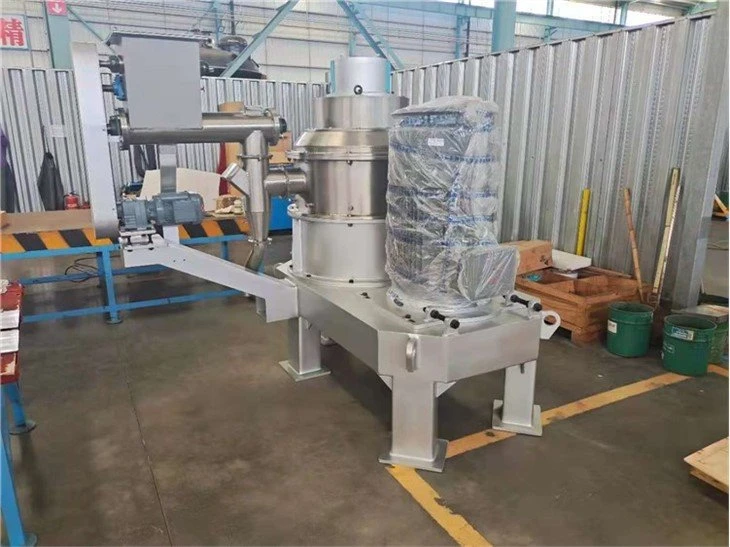
Let's talk about the different types of Feed Mill Grinders. We offer a range of products, like the SWFL Series Ultra-fine Pulverizer. This grinder is designed to produce ultra-fine particles, which means it can generate more dust compared to other types of grinders. However, it also comes with advanced dust control features to minimize emissions.
Another product in our lineup is the Animal Feed Impeller Feeder. This feeder is used to deliver feed materials to the grinder in a controlled manner. By ensuring a steady and consistent feed rate, it can help reduce dust emissions. When the feed materials are fed into the grinder evenly, there's less chance of sudden bursts of dust being generated.
Then there's the Animal Feed Grinder. This is a more general-purpose grinder that can handle a variety of feed materials. Its dust emission level can vary depending on the hardness and moisture content of the materials. For example, dry and brittle materials tend to produce more dust when ground compared to moist and fibrous materials.
Now, let's look at the feed materials themselves. Different types of feed materials have different characteristics that affect dust emissions. Grains, such as corn and wheat, are common feed ingredients. These grains can generate a significant amount of dust when ground, especially if they're dry. On the other hand, ingredients like soybeans and alfalfa may produce less dust due to their higher moisture content and more fibrous nature.

The operating conditions also play a big role in dust emissions. Factors like the speed of the grinder, the airflow within the mill, and the maintenance of the equipment can all impact the amount of dust released. A grinder that's running at a high speed may generate more dust compared to one running at a lower speed. Additionally, proper airflow is essential to carry the dust away from the grinder and into the dust collection system. If the airflow is insufficient, dust can accumulate and escape into the surrounding environment.
Maintenance is another key factor. Regular cleaning and inspection of the grinder can help prevent dust buildup and ensure that the equipment is operating efficiently. Worn-out parts, such as screens and blades, can cause uneven grinding and increase dust emissions. By replacing these parts in a timely manner, you can keep the dust emission level under control.
So, what's an acceptable dust emission level for a Feed Mill Grinder? Well, there are various standards and regulations in place to ensure that dust emissions are kept within safe limits. These standards vary from country to country, but they generally aim to protect the health of workers and the environment. In many cases, the maximum allowable dust concentration in the air is measured in milligrams per cubic meter (mg/m³).
To meet these standards, our Feed Mill Grinders are equipped with state-of-the-art dust collection systems. These systems are designed to capture and remove the dust generated during the grinding process. They use a combination of filters, cyclones, and other technologies to separate the dust from the air and collect it in a container. This not only helps reduce dust emissions but also makes it easier to dispose of the dust safely.
In addition to the dust collection systems, we also offer training and support to our customers on how to operate and maintain the grinders properly. This includes guidelines on adjusting the operating parameters, cleaning the equipment, and replacing the parts. By following these best practices, our customers can ensure that their Feed Mill Grinders are operating at optimal efficiency and with minimal dust emissions.
If you're in the market for a Feed Mill Grinder, it's important to consider the dust emission level as one of the key factors. A grinder with low dust emissions not only helps protect the environment and the health of your workers but also reduces the risk of dust explosions and other safety hazards. Our range of Feed Mill Grinders, including the SWFL Series Ultra-fine Pulverizer, Animal Feed Impeller Feeder, and Animal Feed Grinder, are designed to meet the highest standards of dust control.
We understand that every feed mill has unique requirements, and we're here to help you find the right grinder for your needs. Whether you're a small-scale farmer or a large feed manufacturing company, we have the expertise and the products to meet your demands. So, if you're interested in learning more about our Feed Mill Grinders or want to discuss your specific requirements, don't hesitate to get in touch with us. We're looking forward to working with you to achieve efficient and environmentally friendly feed grinding operations.
References

- "Dust Control in Feed Mills" - Various industry reports on feed mill safety and environmental management.
- "Feed Mill Equipment Standards and Regulations" - Official documents from relevant regulatory bodies.