

As a seasoned supplier of counterflow coolers, I've witnessed firsthand the importance of understanding the differences between direct and indirect counterflow coolers. This knowledge is crucial for businesses in the feed and pellet production industries, as it can significantly impact the quality of their products, operational efficiency, and overall profitability. In this blog post, I'll delve into the intricacies of these two types of coolers, highlighting their unique features, advantages, and applications.
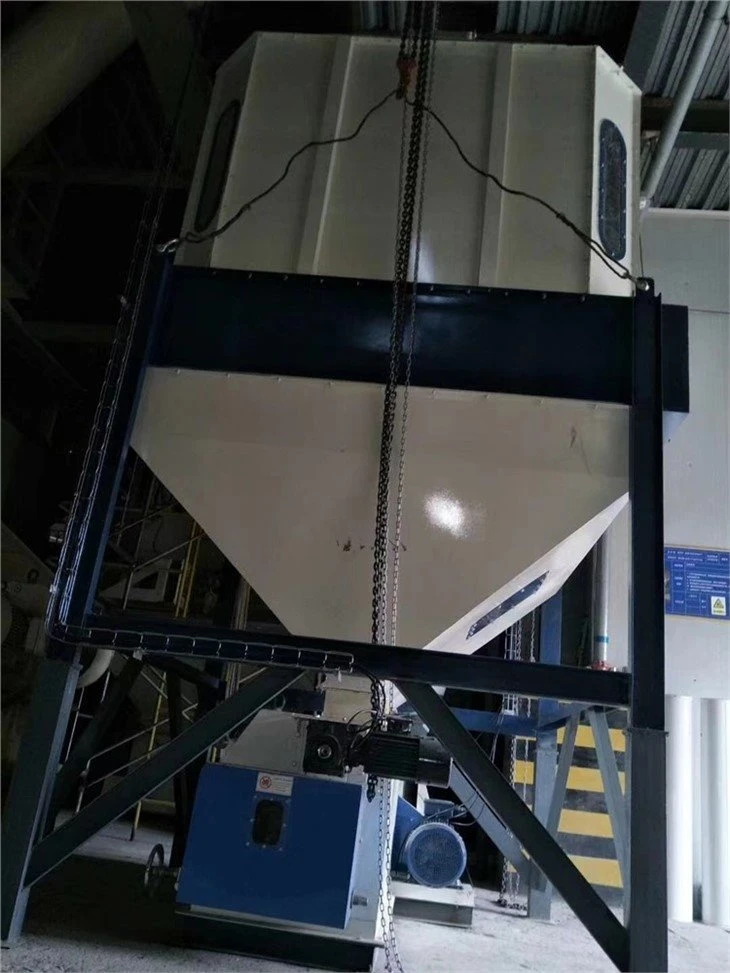
Direct Counterflow Cooler
A direct counterflow cooler operates on a relatively straightforward principle. In this system, the hot feed pellets enter the top of the cooler and move downward due to gravity. Simultaneously, ambient air is forced into the bottom of the cooler and flows upward in a counter - current direction to the pellets. This counterflow arrangement ensures efficient heat and moisture transfer between the pellets and the air.
One of the primary advantages of a direct counterflow cooler is its simplicity in design and operation. With fewer components compared to some other cooling systems, it is generally easier to install, maintain, and troubleshoot. This simplicity also translates into lower initial investment costs, making it an attractive option for small to medium - sized feed mills.
The direct contact between the cooling air and the pellets allows for rapid heat removal. As the air passes through the pellet bed, it absorbs the heat generated during the pelleting process. This quick cooling helps to harden the pellets, improve their durability, and prevent mold growth. Additionally, the direct counterflow cooler can effectively reduce the moisture content of the pellets to the desired level, ensuring better storage stability.
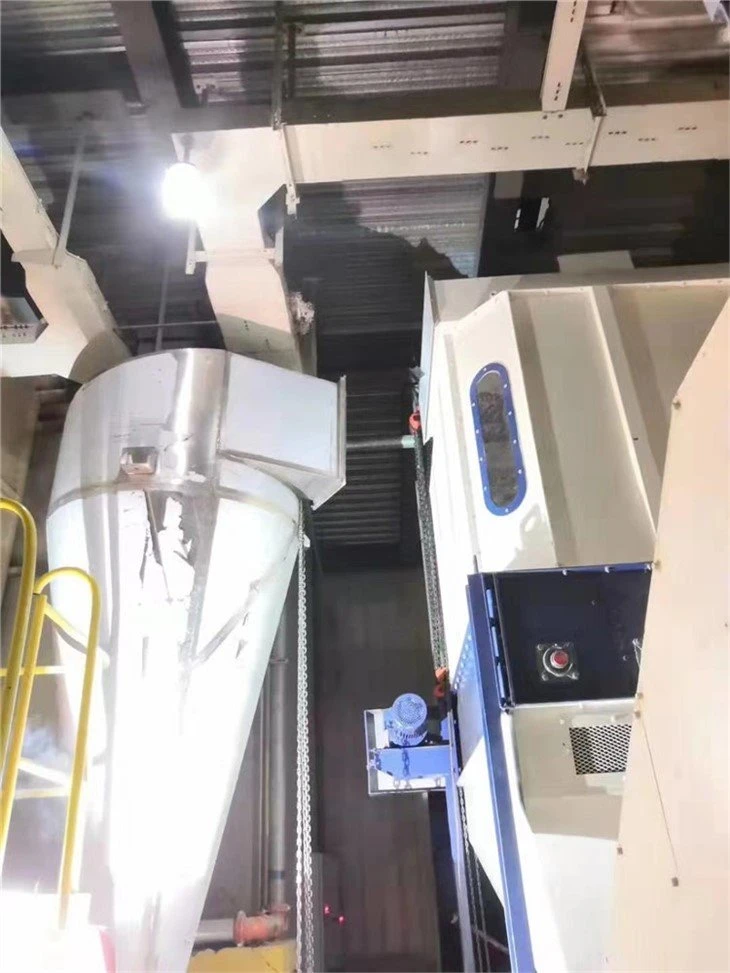
However, direct counterflow coolers do have some limitations. The direct exposure of the pellets to the ambient air means that they are more susceptible to contamination from dust, dirt, and other airborne particles. Also, if the ambient air is of poor quality or has a high humidity level, it can negatively affect the cooling efficiency and the final quality of the pellets.
Indirect Counterflow Cooler
An indirect counterflow cooler, on the other hand, uses a heat exchanger to separate the cooling medium (usually air or water) from the feed pellets. The hot pellets are conveyed through a chamber, and the cooling medium flows on the other side of the heat exchanger in a counter - current direction.
The main advantage of an indirect counterflow cooler is its ability to provide a more controlled cooling environment. Since the pellets are not in direct contact with the cooling air, there is a lower risk of contamination. This makes it an ideal choice for industries where product purity is of utmost importance, such as the production of high - quality pet food or pharmaceutical pellets.
Indirect coolers can also be more effective in handling extreme ambient conditions. For example, in areas with high humidity or temperature variations, an indirect cooler can maintain a consistent cooling performance by using a regulated cooling medium. This results in more uniform pellet quality and reduces the likelihood of product spoilage.
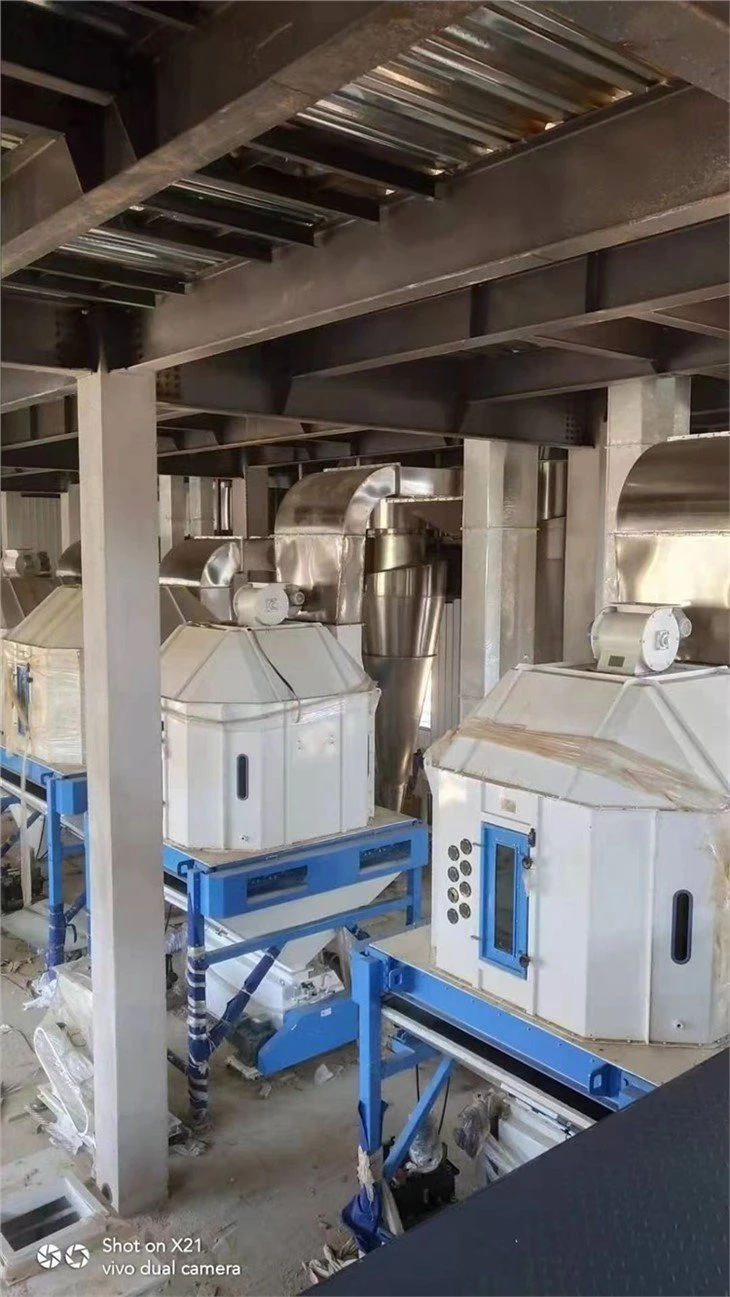
Another benefit is the potential for energy savings. In some indirect counterflow coolers, the heat recovered from the cooling process can be reused in other parts of the production facility, such as pre - heating incoming raw materials. This not only reduces energy consumption but also lowers operating costs.
However, indirect counterflow coolers are generally more complex and expensive to install and maintain. The heat exchanger requires regular cleaning and inspection to ensure optimal performance, and the additional components add to the overall system cost.
Applications and Considerations
The choice between a direct and indirect counterflow cooler depends on several factors, including the type of product being cooled, the production volume, the quality requirements, and the operating environment.
For large - scale feed mills producing standard animal feed, a direct counterflow cooler may be the most cost - effective option. It can handle high throughput rates and provide sufficient cooling for most feed products. The SKLN Counterflow Cooler [/cooler/counterflow - cooler/skln - counterflow - cooler.html] is an excellent example of a direct counterflow cooler that offers reliable performance and high efficiency.
On the other hand, if you are producing high - value products with strict quality standards, such as premium pet food or specialized feed for aquaculture, an indirect counterflow cooler may be a better choice. The Counterflow Feed Pellet Cooler [/cooler/counterflow - cooler/counterflow - feed - pellet - cooler.html] provides a more hygienic and controlled cooling solution for such applications.

When considering a counterflow cooler, it's also important to evaluate the after - sales support provided by the supplier. A reliable supplier should offer comprehensive technical assistance, spare parts availability, and regular maintenance services to ensure the long - term performance of the cooler.
Conclusion
In summary, both direct and indirect counterflow coolers have their own unique advantages and limitations. Understanding these differences is essential for making an informed decision when choosing a cooler for your feed or pellet production facility. Whether you opt for the simplicity and cost - effectiveness of a direct counterflow cooler or the controlled cooling and contamination - free environment of an indirect counterflow cooler, the right choice can significantly enhance the quality of your products and the efficiency of your operations.
If you're interested in learning more about our counterflow coolers or would like to discuss your specific requirements, please don't hesitate to contact us. Our team of experts is ready to assist you in selecting the most suitable cooler for your business and guide you through the purchasing process. We look forward to the opportunity to work with you and help you achieve your production goals.
References
- Feed Processing Technology Handbook, Third Edition. Various authors.
- Proceedings of the International Feed Industry Congress. Multiple volumes.
- Journal of Animal Feed Science and Technology. Regular issues.