

As a trusted supplier of U-Drag Conveyors, I understand the critical importance of explosion-proof measures in industrial settings. U-Drag Conveyors are widely used for handling a variety of bulk materials, and in environments where explosive dust or gases may be present, implementing appropriate explosion-proof measures is not just a safety requirement but also a legal obligation. In this blog, I will discuss several effective explosion-proof measures that can be taken for a U-Drag Conveyor.
1. Dust and Gas Monitoring
One of the fundamental steps in explosion prevention is continuous monitoring of dust and gas levels in the conveyor's operating environment. Installing reliable dust and gas sensors at strategic locations along the conveyor can provide real-time data on the concentration of potentially explosive substances. These sensors can be integrated with the conveyor's control system, triggering alarms or even shutting down the conveyor automatically if the levels exceed safe limits.
For example, in a facility where U-Drag Conveyors are used to transport coal dust, which is highly combustible, dust sensors can detect the presence of coal dust particles in the air. If the dust concentration reaches a dangerous level, the conveyor can be immediately stopped to prevent the formation of an explosive atmosphere.
2. Grounding and Bonding
Proper grounding and bonding are essential to prevent the accumulation of static electricity, which can be a significant ignition source in explosive environments. All metal components of the U-Drag Conveyor, including the conveyor housing, chains, and drive units, should be electrically connected and grounded to a common ground point.

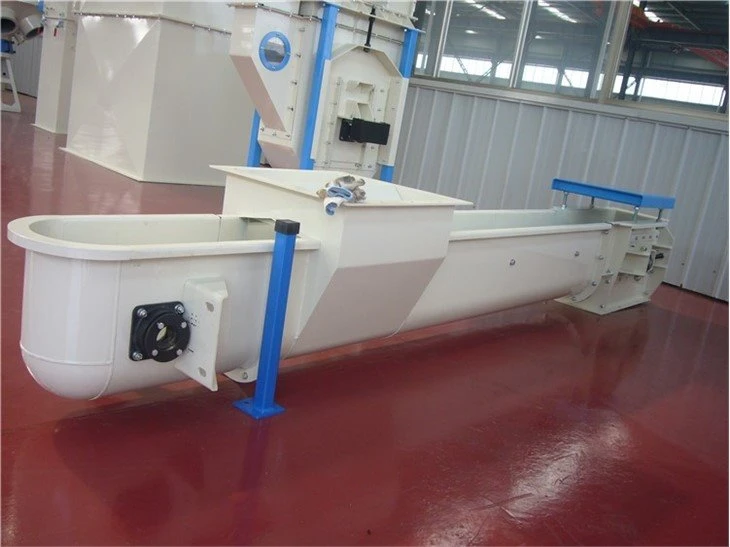
This ensures that any static charges generated during the operation of the conveyor are safely dissipated to the ground, reducing the risk of electrostatic discharges that could ignite explosive dust or gases. Regular inspections should be carried out to check the integrity of the grounding and bonding connections to ensure their effectiveness.
3. Enclosure Design
The design of the U-Drag Conveyor's enclosure plays a crucial role in preventing the release of explosive dust or gases into the surrounding environment. The enclosure should be constructed to be airtight as much as possible, with minimal gaps or openings that could allow dust or gases to escape.
Additionally, the enclosure can be designed with explosion relief panels. These panels are designed to rupture at a predetermined pressure, allowing the explosive force to be safely vented outside the conveyor without causing significant damage to the equipment or the surrounding area.
4. Material Selection
The choice of materials used in the construction of the U-Drag Conveyor can also impact its explosion-proof performance. For example, using non-sparking materials for components that are likely to come into contact with explosive dust or gases can reduce the risk of ignition.
Non-sparking metals, such as bronze or aluminum alloys, can be used for parts like chain links and sprockets. Additionally, the conveyor's housing can be lined with materials that are resistant to abrasion and static generation, further enhancing its explosion-proof capabilities.
5. Electrical Equipment
All electrical equipment associated with the U-Drag Conveyor, including motors, sensors, and control panels, should be specifically designed for use in explosive environments. These electrical components should be certified to meet relevant explosion-proof standards, such as ATEX or IECEx.
Explosion-proof electrical equipment is designed to prevent the ignition of explosive dust or gases by containing any sparks or arcs generated within the equipment. It also has additional protection features, such as hermetically sealed enclosures and flameproof joints, to ensure safe operation in hazardous areas.
6. Regular Maintenance and Inspection
Regular maintenance and inspection are essential to ensure the continued effectiveness of the explosion-proof measures implemented for the U-Drag Conveyor. A comprehensive maintenance schedule should be established, including tasks such as cleaning the conveyor to remove accumulated dust, checking the integrity of the enclosure and explosion relief panels, and testing the functionality of the dust and gas sensors.
Inspections should be carried out by qualified personnel who are trained to identify potential explosion hazards and take appropriate corrective actions. Any signs of wear, damage, or malfunction should be addressed promptly to prevent the development of safety risks.
7. Training and Education
Proper training and education of personnel who operate and maintain the U-Drag Conveyor are crucial for explosion prevention. Employees should be trained on the hazards associated with explosive dust or gases, the importance of following safety procedures, and the proper use of explosion-proof equipment.
Training programs should also cover emergency response procedures in case of an explosion or other safety incidents. By ensuring that all personnel are well-informed and trained, the risk of human error leading to an explosion can be significantly reduced.
Conclusion
Implementing effective explosion-proof measures for a U-Drag Conveyor is essential to ensure the safety of personnel and the protection of equipment in explosive environments. By combining dust and gas monitoring, grounding and bonding, proper enclosure design, material selection, explosion-proof electrical equipment, regular maintenance and inspection, and training and education, the risk of explosions can be minimized.
As a U-Drag Conveyor supplier, we are committed to providing high-quality, explosion-proof conveyor solutions that meet the specific needs of our customers. Our U-drag Chain Conveyor and Series U-Drag Conveyor are designed with the latest explosion-proof technologies and features to ensure safe and reliable operation in explosive environments.
If you are interested in learning more about our U-Drag Conveyors or discussing your specific explosion-proof requirements, please feel free to contact us for a detailed consultation. We look forward to working with you to provide the best conveyor solutions for your industrial applications.
References
- NFPA 654: Standard for the Prevention of Fire and Dust Explosions from the Manufacturing, Processing, and Handling of Combustible Particulate Solids.
- ATEX Directive 2014/34/EU: Harmonizing the provisions of the Member States relating to equipment and protective systems intended for use in potentially explosive atmospheres.
- IECEx Scheme: International Electrotechnical Commission System for Certification to Standards Relating to Equipment for Use in Explosive Atmospheres.