

Hey there! As a supplier of U - Drag Conveyors, I've seen firsthand how important it is to keep these machines dust - proof. Dust can cause a whole bunch of problems, from reducing the efficiency of the conveyor to damaging its components over time. So, in this blog, I'm gonna share some effective dust - proof measures for U - Drag Conveyors.
Sealing the Conveyor Housing
One of the most basic yet crucial steps is to ensure that the housing of the U - Drag Conveyor is properly sealed. A well - sealed housing acts as a barrier, preventing dust from escaping into the surrounding environment. You can use gaskets and seals made of high - quality materials like rubber or silicone. These materials are flexible and can conform to the shape of the conveyor housing, creating a tight seal.
For example, when installing the side panels of the Series U - Drag Conveyor, make sure to apply a generous amount of sealant around the edges. This will fill any small gaps that could potentially let dust out. Also, check the seals regularly for signs of wear and tear. If you notice any damage, replace the seals immediately to maintain the integrity of the dust - proofing.
Using Dust Covers
Another great way to keep dust at bay is by using dust covers. These covers can be placed over the top of the conveyor, protecting it from external dust sources. There are different types of dust covers available, such as rigid covers made of metal or plastic, and flexible covers made of fabric.
Rigid covers are more durable and can withstand harsh working conditions. They provide excellent protection against large particles and can also prevent accidental access to the conveyor, enhancing safety. On the other hand, flexible covers are more lightweight and can be easily removed for maintenance. You can choose the type of cover based on your specific needs and the environment in which the U - drag Chain Conveyor is operating.
Installing Dust Collection Systems
In addition to sealing and covering the conveyor, installing a dust collection system is a smart move. These systems work by capturing the dust that is generated during the operation of the conveyor. There are several types of dust collection systems, including cyclone collectors, baghouse filters, and cartridge filters.
Cyclone collectors are relatively simple and cost - effective. They use centrifugal force to separate the dust from the air. The dust is then collected in a hopper at the bottom of the collector. Baghouse filters, on the other hand, use fabric bags to trap the dust. They are highly efficient and can handle large volumes of dust. Cartridge filters are similar to baghouse filters but use cartridges instead of bags. They are more compact and easier to maintain.
When choosing a dust collection system, consider the type and amount of dust that your conveyor generates. Also, make sure that the system is properly sized and installed to ensure optimal performance.
Regular Cleaning and Maintenance
Regular cleaning and maintenance are essential for keeping the U - Drag Conveyor dust - proof. Dust can accumulate inside the conveyor over time, leading to blockages and reduced efficiency. So, it's important to clean the conveyor on a regular basis.
You can use compressed air to blow out any dust that has collected in hard - to - reach areas. Make sure to clean the chain, flights, and the interior of the housing. Also, check the bearings and other moving parts for dust buildup. If necessary, lubricate these parts to prevent wear and tear.
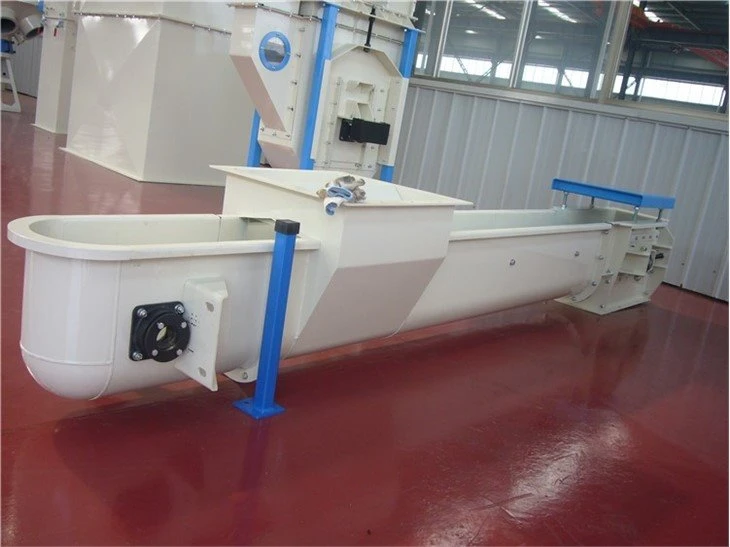

In addition to cleaning, perform regular inspections of the conveyor. Look for any signs of damage or wear, such as cracks in the housing or worn - out seals. Address any issues promptly to prevent further problems.
Controlling the Loading and Unloading Process
The way you load and unload materials onto the U - Drag Conveyor can also have an impact on dust generation. When loading materials, try to minimize the height from which the materials are dropped. A high - drop loading can cause dust to be kicked up into the air. You can use chutes or funnels to guide the materials onto the conveyor gently.
Similarly, when unloading the materials, make sure that the discharge area is properly sealed. Use a dust - tight chute or a flexible connection to prevent dust from escaping. You can also install a dust curtain at the discharge point to further reduce dust emissions.
Employee Training
Last but not least, employee training is crucial for maintaining a dust - proof U - Drag Conveyor. Make sure that your employees are aware of the importance of dust - proofing and the proper procedures for operating and maintaining the conveyor.
Train them on how to use the dust collection system, how to clean the conveyor, and how to identify and report any issues. Encourage them to follow the safety guidelines and to take proactive measures to prevent dust from being generated. By involving your employees in the dust - proofing process, you can ensure that the conveyor operates efficiently and safely.
In conclusion, taking these dust - proof measures can significantly improve the performance and lifespan of your U - Drag Conveyor. By sealing the housing, using dust covers, installing a dust collection system, performing regular cleaning and maintenance, controlling the loading and unloading process, and providing employee training, you can keep dust under control and create a safer and more productive work environment.
If you're interested in purchasing a high - quality U - Drag Conveyor or need more information about dust - proofing solutions, don't hesitate to get in touch with us. We're here to help you find the best conveyor for your needs and to provide you with all the support you need.
References
- "Conveyor Belt Handbook" - A comprehensive guide on conveyor systems and their maintenance.
- "Dust Control Technology" - A resource for information on dust collection and control systems.
- Industry standards and guidelines for conveyor safety and dust management.