

Hey there! As a supplier of rotary distributors, I've seen my fair share of issues with these nifty machines. One common problem that can pop up is a worn-out distributor shaft in a rotary distributor. In this blog, I'm gonna break down the symptoms of a worn-out distributor shaft so you can spot the trouble early and take action.
1. Unusual Noises
One of the first signs that your distributor shaft might be on its last legs is the presence of unusual noises. When the shaft is worn, it can start to rattle, grind, or make a high-pitched whining sound. These noises usually come from the internal components of the distributor, where the shaft rotates.
The rattling noise is often caused by loose parts due to excessive wear on the shaft. As the shaft wears down, the clearance between it and the bearings or other mating parts increases. This allows the parts to move around more freely, creating that annoying rattling sound.
A grinding noise, on the other hand, is a more serious symptom. It indicates that the shaft is rubbing against other components, which can lead to further damage. This could be due to misalignment or extreme wear. If you hear a grinding noise, it's crucial to stop using the rotary distributor immediately to prevent more extensive damage.
The high-pitched whining sound is typically a sign of bearing problems. The bearings support the distributor shaft and allow it to rotate smoothly. When they start to wear out, they can produce this high-pitched noise. It's important to address this issue promptly because a failed bearing can cause the shaft to seize up, leaving your rotary distributor out of commission.
2. Poor Distribution Performance
Another clear symptom of a worn-out distributor shaft is poor distribution performance. A rotary distributor is designed to evenly distribute materials such as feed, grains, or powders. But when the shaft is worn, it can't perform this task effectively.
You might notice that the material is not being distributed evenly across the intended area. Some areas might receive too much material, while others get too little. This can lead to inefficiencies in your production process. For example, in a feed machine, uneven distribution of feed can result in some animals not getting enough nutrients, while others might overeat.
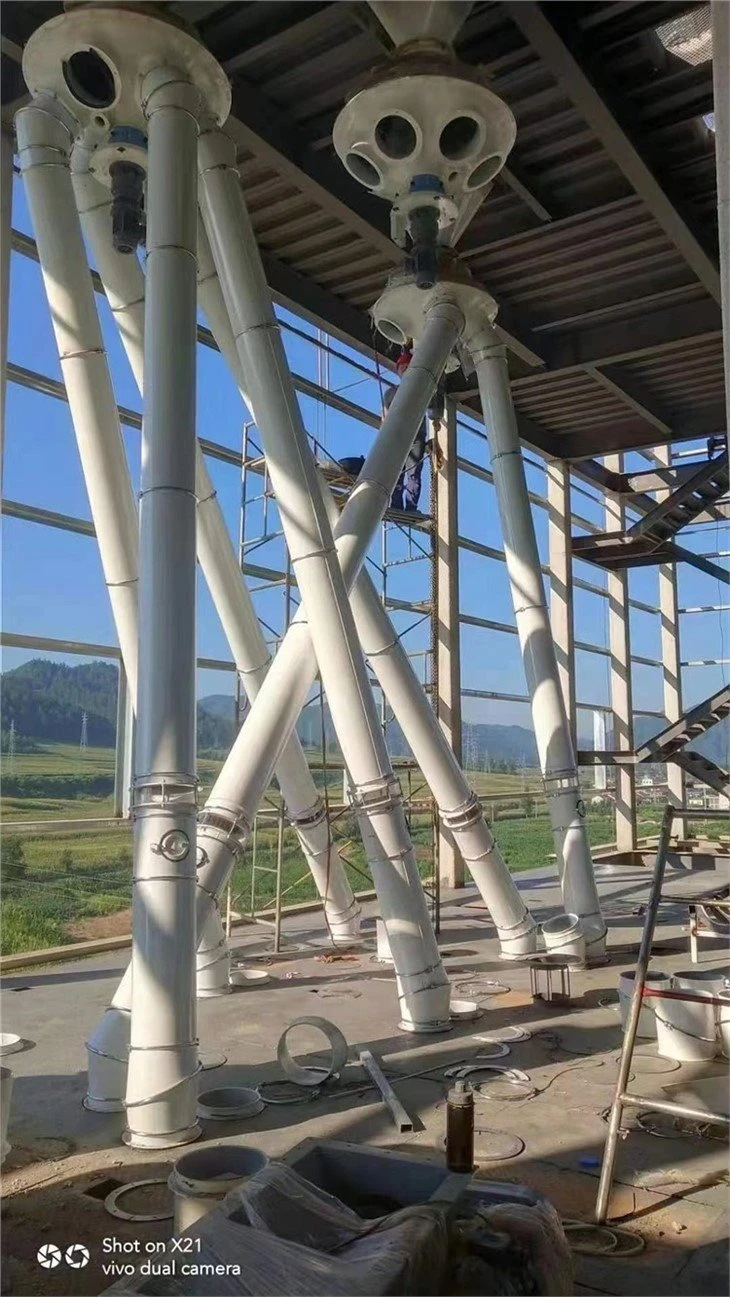
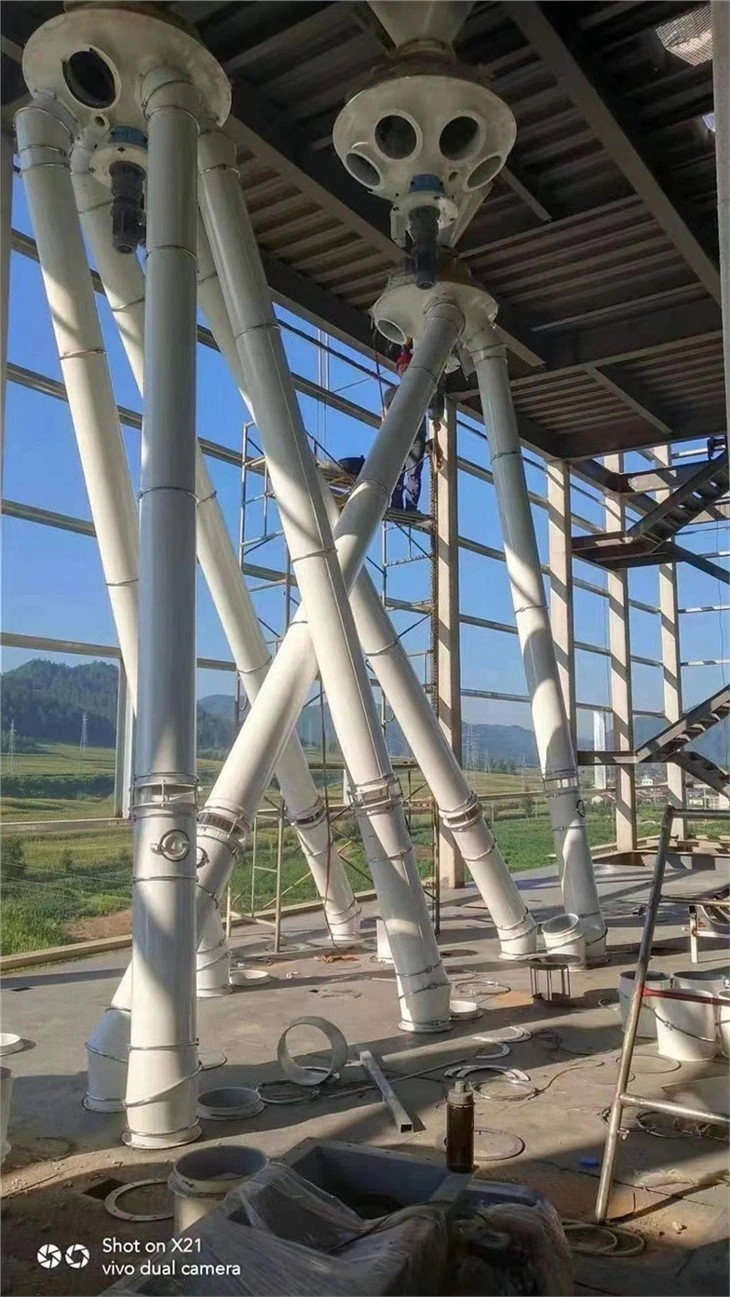
If you're using a Rotary Distributor for Feed Machine, the worn shaft can disrupt the precise feeding mechanism. This can affect the quality of the feed and ultimately the health of the animals.
Similarly, in a Rotary Grain Distributor, a worn shaft can cause uneven grain distribution in storage bins or processing equipment. This can lead to issues such as spoilage or inconsistent product quality.
For a Powder Rotary Distributor, poor distribution can result in clumping or uneven mixing of powders. This can be a major problem in industries where precise powder distribution is crucial, such as the pharmaceutical or chemical industries.
3. Increased Vibration
Increased vibration is another telltale sign of a worn-out distributor shaft. When the shaft is in good condition, the rotary distributor should operate smoothly with minimal vibration. However, as the shaft wears, it can cause the entire machine to vibrate more than usual.
Excessive vibration can be felt throughout the equipment and can even be heard. This vibration is not only annoying but can also cause damage to other components of the rotary distributor. It can loosen bolts and nuts, leading to further misalignment and potential breakdowns.
The increased vibration is often due to the imbalance caused by the worn shaft. As the shaft wears unevenly, it can create an imbalance in the rotating assembly. This imbalance causes the machine to vibrate as it tries to compensate for the uneven weight distribution.
If you notice increased vibration in your rotary distributor, it's important to have the shaft inspected. Ignoring this symptom can lead to more severe problems down the road, including complete failure of the machine.
4. Difficulty in Starting or Stopping
A worn-out distributor shaft can also make it difficult to start or stop the rotary distributor. You might find that the machine takes longer to start up or doesn't start at all. This could be because the worn shaft is creating more resistance, making it harder for the motor to turn the shaft.
On the other hand, when you try to stop the rotary distributor, it might not come to a complete stop right away. The worn shaft can cause the machine to keep spinning for a longer time, which can be a safety hazard.
This problem can be especially frustrating in industries where quick start-up and shutdown are necessary. For example, in a production line, delays in starting or stopping the rotary distributor can disrupt the entire workflow and lead to lost productivity.
5. Visible Wear and Tear
Sometimes, you can actually see the signs of wear on the distributor shaft. If you have access to the shaft, take a close look at it. You might notice that the shaft has scratches, grooves, or signs of corrosion.
Scratches and grooves are typically caused by friction between the shaft and other components. These can reduce the smoothness of the shaft's surface, which can affect its performance. Corrosion, on the other hand, can weaken the shaft and make it more prone to breakage.
If you see visible signs of wear and tear on the shaft, it's a clear indication that it needs to be replaced. Continuing to use a worn shaft can only lead to more problems and potentially more expensive repairs.
Taking Action
If you notice any of these symptoms in your rotary distributor, it's important to take action as soon as possible. Ignoring these issues can lead to more severe damage and costly repairs. The first step is to have the distributor shaft inspected by a professional. They can accurately diagnose the problem and recommend the best course of action.
In many cases, replacing the worn-out distributor shaft is the most cost-effective solution. At our company, we offer high-quality replacement shafts for rotary distributors. Our shafts are designed to meet the highest standards of quality and performance, ensuring that your rotary distributor operates smoothly and efficiently.
If you're experiencing any of the symptoms mentioned above or have any questions about your rotary distributor, don't hesitate to contact us. We're here to help you keep your production process running smoothly. Whether you need a replacement shaft or just some advice, we're ready to assist you. Get in touch with us to start a discussion about your needs and find the best solution for your rotary distributor.
References
- "Industrial Machinery Maintenance Handbook"
- "Rotary Distributor Operation and Troubleshooting Guide"