

Hey there! As a supplier of feed pellet mills, I've seen firsthand how dust emission can be a real pain in the you - know - what for many of our customers. Not only is it a nuisance, but it can also pose health risks to workers and potentially damage the surrounding environment. So, today, I'm gonna share some tips on how to reduce the dust emission of a feed pellet mill.
1. Choose the Right Equipment
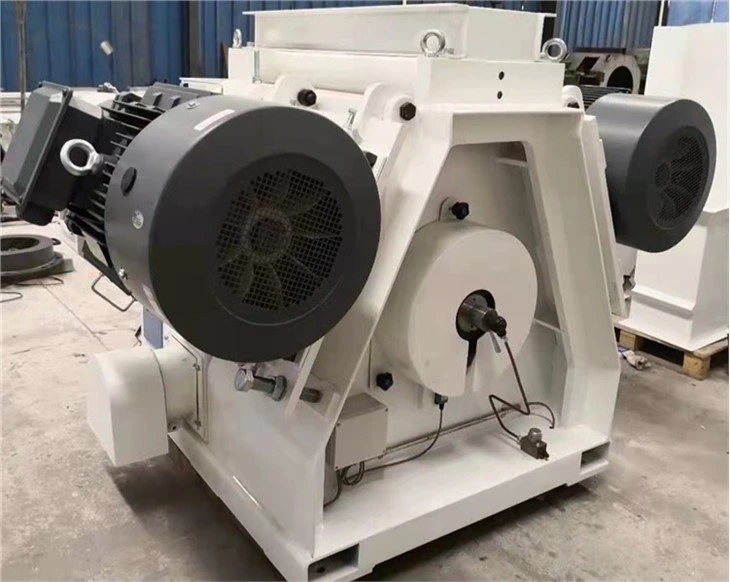
First off, picking the right feed pellet mill is crucial. We offer a range of high - quality pellet mills, like the Pellet Mill Lab - size, which is great for small - scale operations or research purposes. The Chicken Feed Pellet Mill is specifically designed for making chicken feed, and it's engineered to minimize dust generation during the pelleting process. And if you're looking for a more industrial - grade option, our Pellet Mill SZLH Series is a top - notch choice. These mills are built with advanced technology that helps to keep the dust under control.
2. Proper Installation and Maintenance
Installing your feed pellet mill correctly is super important. Make sure it's placed on a stable surface and that all the connections are tight. Loose connections can lead to air leaks, which can cause dust to escape. Also, regular maintenance is a must. Keep the mill clean and make sure all the parts are in good working condition. Replace any worn - out parts promptly, as damaged components can increase dust emission. For example, a dull die can cause the feed to break up more easily, creating more dust. So, check the die regularly and sharpen or replace it when needed.
3. Optimize the Feed Formulation
The way you formulate your feed can have a big impact on dust emission. Use ingredients that are less likely to generate dust. For instance, instead of using fine - ground grains, you can use coarser ones. Also, adding binders to the feed can help hold the particles together, reducing the amount of dust. Binders like molasses or gelatin can work wonders. Just make sure you use the right amount, as too much binder can affect the quality of the pellets.
4. Control the Moisture Content
Moisture plays a key role in dust reduction. If the feed is too dry, it's more likely to create dust. On the other hand, if it's too wet, the pellets may not form properly. Aim for an optimal moisture content in the feed. You can use a moisture meter to measure it. Most feed pellet mills work best when the moisture content of the feed is between 12% and 16%. If the feed is too dry, you can add a little water during the mixing process.

5. Use Dust Collection Systems
Investing in a good dust collection system is a no - brainer. There are different types of dust collectors available, such as cyclone collectors, baghouse filters, and electrostatic precipitators. Cyclone collectors are relatively simple and cost - effective. They work by using centrifugal force to separate the dust from the air. Baghouse filters are more efficient and can capture finer dust particles. Electrostatic precipitators are the most advanced but also the most expensive. They use an electric charge to attract and collect the dust. Depending on your budget and the level of dust emission, you can choose the right dust collection system for your feed pellet mill.
6. Ventilation
Proper ventilation is essential in the area where the feed pellet mill is located. Good ventilation helps to remove the dust - laden air from the workspace. Install exhaust fans to pull the air out of the room and bring in fresh air. Make sure the ventilation system is designed to handle the volume of air generated by the mill. Also, position the exhaust outlets away from areas where people are likely to be, to prevent them from breathing in the dust.
7. Operator Training
Last but not least, training your operators is crucial. Make sure they know how to operate the feed pellet mill correctly and how to follow the dust - reduction procedures. Teach them about the importance of proper maintenance, feed formulation, and moisture control. Also, provide them with personal protective equipment (PPE) like dust masks, goggles, and gloves. A well - trained operator can make a big difference in reducing dust emission.
In conclusion, reducing the dust emission of a feed pellet mill requires a combination of the right equipment, proper installation and maintenance, optimized feed formulation, moisture control, dust collection systems, ventilation, and operator training. By following these tips, you can significantly reduce the amount of dust generated by your feed pellet mill, creating a safer and healthier working environment.
If you're interested in learning more about our feed pellet mills or have any questions about dust reduction, don't hesitate to reach out. We're here to help you find the best solutions for your needs. Whether you're a small - scale farmer or a large - scale feed manufacturer, we've got the products and expertise to support you. Let's work together to make your feed - pelleting process more efficient and dust - free!
References
- Feed Pellet Mill Handbook. A comprehensive guide on the operation and maintenance of feed pellet mills.
- Journal of Animal Feed Science. Research articles on feed formulation and its impact on pelleting and dust generation.
- Industrial Ventilation Manual. Information on ventilation systems for industrial settings, including feed pellet mills.