

As a seasoned supplier of bucket elevators, I understand the importance of operating these machines efficiently and safely through the control system. In this blog, I'll guide you through the process of operating a bucket elevator using its control system, sharing insights and best practices based on our years of experience in the industry.
Understanding the Basics of a Bucket Elevator Control System
Before delving into the operation, it's crucial to understand what a bucket elevator control system is and what it does. A control system for a bucket elevator is designed to manage and monitor the various functions of the elevator, ensuring smooth and reliable operation. It typically consists of a control panel, sensors, relays, and a power supply.
The control panel is the nerve center of the system, where operators can start, stop, and adjust the speed of the elevator. Sensors are used to detect the position of the buckets, the level of the material being conveyed, and any abnormal conditions such as blockages or jams. Relays are used to control the power supply to the motor and other components of the elevator.

Pre - Operation Checks
- Inspect the Control Panel
- Before starting the bucket elevator, carefully examine the control panel. Look for any signs of damage, loose connections, or error messages. Check that all the switches and buttons are in the correct position and functioning properly. A well - maintained control panel is essential for safe and efficient operation.
- Check the Sensors
- Test the sensors to ensure they are working accurately. Start by verifying that the bucket position sensors are detecting the buckets correctly. This can be done by manually moving the buckets and observing the readings on the control panel. Also, check the material level sensors to make sure they can accurately detect the presence and level of the material.
- Verify Power Supply
- Ensure that the power supply to the control system is stable and within the specified voltage range. Fluctuations in voltage can cause problems with the operation of the elevator and even damage the control components. Use a voltmeter to check the voltage at the power input of the control panel.
Starting the Bucket Elevator
Once the pre - operation checks are complete, you can start the bucket elevator using the control system.
- Turn on the Power
- Locate the main power switch on the control panel and turn it on. This will supply power to the entire control system and prepare it for operation. You may see some indicator lights on the control panel illuminate, indicating that the system is powered up.
- Initialization
- Some control systems require an initialization process. This may involve pressing a specific button or following a sequence of steps to set the elevator to its default operating parameters. Follow the manufacturer's instructions carefully during this process.
- Set the Speed
- Use the speed control knob or touch - screen interface on the control panel to set the desired speed of the bucket elevator. The speed should be adjusted according to the type of material being conveyed, the capacity requirements, and the overall system design. For example, if you are conveying a light and free - flowing material, you may be able to set a higher speed compared to a heavy and sticky material.
- Start the Elevator
- Once the speed is set, press the start button on the control panel. The elevator motor will start running, and the buckets will begin to move. Monitor the control panel closely during the start - up process to ensure that there are no abnormal vibrations, noises, or error messages.
Monitoring the Operation
During the operation of the bucket elevator, continuous monitoring is essential to ensure its safe and efficient performance.
- Control Panel Monitoring
- Keep an eye on the control panel for any changes in the operating parameters. Check the speed display, the temperature of the motor (if there is a temperature sensor), and any alarm indicators. If an alarm light comes on, immediately stop the elevator and investigate the cause.
- Sensor Feedback
- Pay attention to the feedback from the sensors. The bucket position sensors should consistently show the correct position of the buckets, and the material level sensors should accurately reflect the level of the material in the elevator. Any irregularities in the sensor readings could indicate a problem, such as a misaligned bucket or a blockage.
- Visual Inspection
- Periodically conduct a visual inspection of the bucket elevator. Look for any signs of wear and tear on the buckets, chains, or belts. Check for any spills or leaks of the material being conveyed. If you notice any damage or abnormal conditions, stop the elevator and make the necessary repairs.
Stopping the Bucket Elevator
When it's time to stop the bucket elevator, follow these steps through the control system.
- Empty the Elevator
- If possible, allow the elevator to run until all the material has been discharged. This helps to prevent the accumulation of material inside the elevator, which can cause problems the next time it is started.
- Press the Stop Button
- Once the elevator is empty, press the stop button on the control panel. The motor will stop running, and the elevator will come to a halt.
- Turn off the Power
- After the elevator has stopped, turn off the main power switch on the control panel to cut off the power supply to the control system.
Troubleshooting Common Issues
Despite proper operation and maintenance, issues may still arise with the bucket elevator. Here are some common problems and how to address them using the control system.
- Blockages
- If a blockage occurs, the control system may trigger an alarm. First, stop the elevator immediately. Check the area where the blockage is suspected, usually at the inlet or outlet of the elevator. Clear the blockage and then restart the elevator using the control system, following the start - up procedure.
- Sensor Malfunctions
- If a sensor gives inaccurate readings or fails completely, the control system may not function properly. Check the sensor connections first to ensure they are secure. If the problem persists, replace the faulty sensor with a new one of the same specifications.
- Motor Overheating
- If the motor overheats, the control system may shut down the elevator to prevent damage. Check the ventilation of the motor and make sure it is not covered or obstructed. Also, check the load on the elevator to ensure it is within the rated capacity. After the motor has cooled down, you can restart the elevator and monitor its operation.
Types of Bucket Elevators
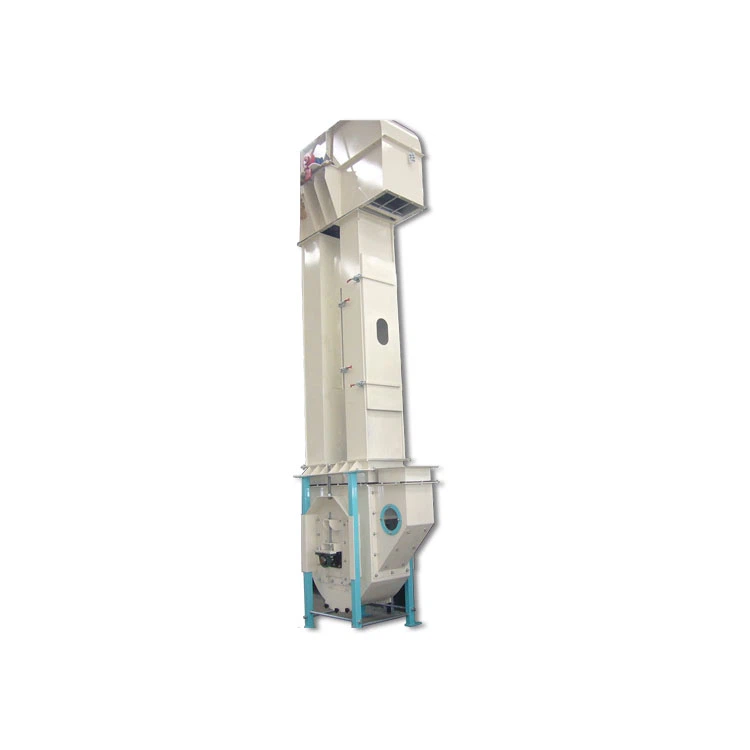
When operating a bucket elevator, it's also important to know about the different types available. For example, the TDTG Bucket Elevator is a popular choice for many industrial applications. It is known for its high efficiency and reliability. The Flour Bucket Elevator, as the name suggests, is specifically designed for handling flour and other fine powders.
Conclusion
Operating a bucket elevator using the control system requires a combination of knowledge, attention to detail, and regular maintenance. By following the steps outlined in this blog, you can ensure the safe and efficient operation of your bucket elevator. If you have any questions or are interested in purchasing a bucket elevator for your business, feel free to reach out to us. We are here to provide you with the best solutions and support for all your conveying needs.
References
- "Bucket Elevator Handbook" - A comprehensive guide to the design, operation, and maintenance of bucket elevators.
- Manufacturer's manuals for the specific bucket elevator and control system you are using.