

As a supplier of rotary distributors, I understand the importance of proper maintenance to ensure the longevity and efficient operation of these crucial pieces of equipment. Rotary distributors are widely used in various industries, including agriculture, food processing, and chemical manufacturing, to evenly distribute materials such as grains, powders, and feeds. In this blog post, I will share some essential tips on how to maintain a rotary distributor to keep it running smoothly and minimize downtime.
Regular Inspection
Regular inspection is the first step in maintaining a rotary distributor. It allows you to identify potential issues before they become major problems. Here are some key areas to inspect:
- Mechanical Components: Check the belts, chains, gears, and bearings for signs of wear, damage, or misalignment. Replace any worn or damaged parts immediately to prevent further damage to the distributor. Make sure all fasteners are tight and secure to avoid vibrations and loose components.
- Seals and Gaskets: Inspect the seals and gaskets for leaks. Leaking seals can lead to material loss, contamination, and reduced efficiency. Replace any damaged seals or gaskets promptly to maintain the integrity of the distributor.
- Drive System: Examine the motor, drive shaft, and couplings for proper operation. Listen for any unusual noises or vibrations, which could indicate a problem with the drive system. Check the motor's electrical connections and ensure they are clean and tight.
- Hopper and Chute: Look for any blockages or buildup in the hopper and chute. Blockages can disrupt the flow of materials and cause the distributor to malfunction. Clean the hopper and chute regularly to prevent material accumulation.
Lubrication
Proper lubrication is essential for the smooth operation of a rotary distributor. Lubrication reduces friction, wear, and heat, extending the life of the mechanical components. Here are some lubrication guidelines:
- Follow the Manufacturer's Recommendations: Refer to the distributor's manual for the recommended lubricants and lubrication intervals. Different components may require different types of lubricants, so it's important to use the correct ones.
- Lubricate Moving Parts: Apply lubricant to the bearings, gears, chains, and other moving parts as specified in the manual. Use a lubrication gun or other appropriate tools to ensure proper application.
- Check Oil Levels: If the distributor has an oil bath or oil lubrication system, regularly check the oil levels and top up as needed. Change the oil at the recommended intervals to maintain its effectiveness.
Cleaning
Regular cleaning is necessary to prevent material buildup and contamination in the rotary distributor. Here's how to clean the distributor effectively:
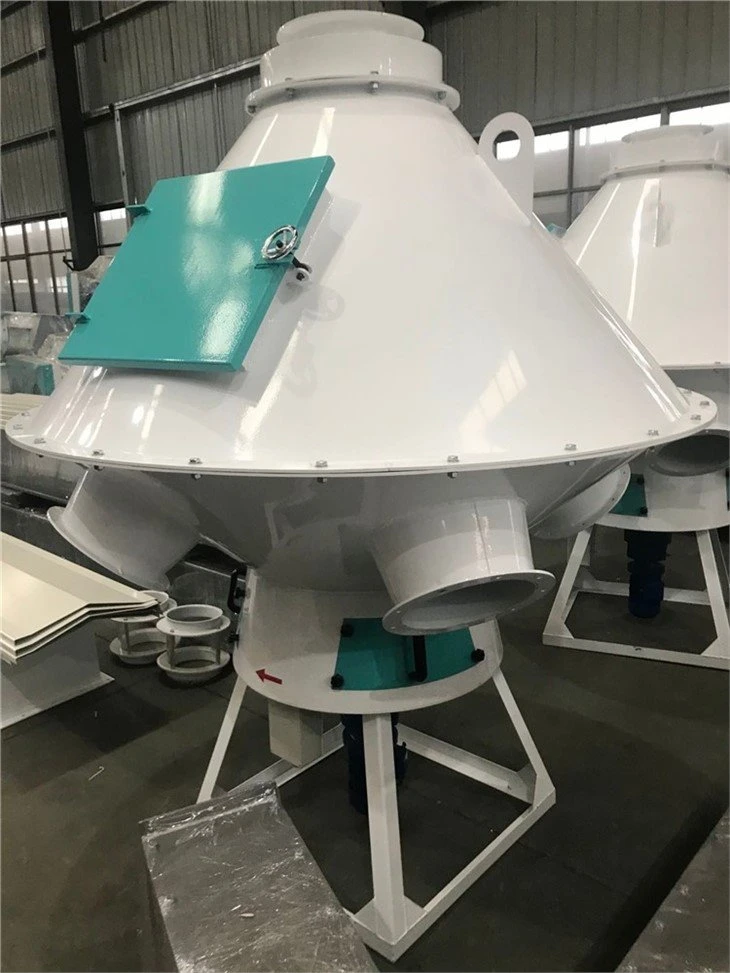

- Shut Down the Equipment: Before cleaning, turn off the distributor and disconnect it from the power source to ensure safety.
- Remove Loose Material: Use a brush or compressed air to remove any loose material from the hopper, chute, and other parts of the distributor.
- Wash with a Mild Detergent: For more thorough cleaning, use a mild detergent and water solution to wash the distributor. Avoid using abrasive cleaners or solvents that could damage the components.
- Rinse and Dry: After washing, rinse the distributor thoroughly with clean water and dry it completely before restarting.
Alignment and Calibration
Proper alignment and calibration are crucial for the accurate distribution of materials. Misaligned or poorly calibrated distributors can result in uneven material distribution and reduced efficiency. Here's what you need to do:
- Check Alignment: Use a straightedge or alignment tool to check the alignment of the drive shaft, couplings, and other components. Adjust the alignment as needed to ensure smooth operation.
- Calibrate the Distributor: Follow the manufacturer's instructions to calibrate the distributor for the specific material and application. This may involve adjusting the speed, flow rate, and other parameters to achieve the desired distribution pattern.
Operator Training
Proper operator training is essential for the safe and efficient operation of a rotary distributor. Operators should be familiar with the equipment's controls, functions, and maintenance requirements. Here are some training tips:
- Provide Comprehensive Training: Offer training programs that cover the operation, maintenance, and safety procedures of the rotary distributor. Include hands-on training to allow operators to practice using the equipment.
- Keep Operators Informed: Provide operators with regular updates on any changes or improvements to the distributor's operation or maintenance procedures.
- Encourage Feedback: Encourage operators to provide feedback on the equipment's performance and any issues they encounter. This can help identify potential problems early and improve the overall maintenance process.
Troubleshooting
Despite regular maintenance, problems may still occur with a rotary distributor. Here are some common issues and their possible solutions:
- Blockages: If the distributor is experiencing blockages, check the hopper and chute for material buildup. Use a brush or compressed air to remove the blockage. If the blockage persists, disassemble the affected parts and clean them thoroughly.
- Uneven Material Distribution: Uneven material distribution can be caused by misalignment, improper calibration, or worn components. Check the alignment and calibration of the distributor and replace any worn parts as needed.
- Noise or Vibrations: Unusual noises or vibrations can indicate a problem with the drive system, bearings, or other components. Stop the distributor immediately and inspect the affected parts for damage or wear. Replace any damaged parts and ensure proper alignment.
- Leaking Seals or Gaskets: Leaking seals or gaskets can lead to material loss and contamination. Replace the damaged seals or gaskets and ensure they are properly installed.
In conclusion, maintaining a rotary distributor is essential for its long-term performance and reliability. By following these maintenance tips, you can ensure that your rotary distributor operates efficiently, minimizes downtime, and provides accurate material distribution. If you have any questions or need further assistance with maintaining your rotary distributor, please feel free to [contact us for procurement and negotiation]. We are a leading supplier of high-quality rotary distributors, including Rotary Grain Distributor, Rotary Distributor for Feed Machine, and Powder Rotary Distributor. Our team of experts is dedicated to providing you with the best products and services to meet your needs.
References
- Manufacturer's manuals for rotary distributors
- Industry standards and best practices for equipment maintenance