

Hey there! As a supplier of bucket elevators, I've seen firsthand how crucial proper lubrication is for these machines. A well - lubricated bucket elevator not only runs smoothly but also has a longer lifespan, saving you both time and money in the long run. So, let's dive into how to lubricate a bucket elevator.
Why Lubrication Matters
Before we get into the 'how - to', let's talk about 'why'. Bucket elevators are complex pieces of equipment that have many moving parts. These parts, like bearings, chains, and gears, experience a lot of friction during operation. Friction can lead to wear and tear, overheating, and even breakdowns. Lubrication forms a protective layer between these moving parts, reducing friction and preventing direct metal - to - metal contact. This results in less wear, lower energy consumption, and fewer maintenance issues.
Types of Lubricants
There are different types of lubricants available, and choosing the right one is key.
Greases
Greases are a popular choice for bucket elevators. They are thick and sticky, which means they stay in place well. This is great for parts that are difficult to access or where the lubricant needs to stay put for a long time. For example, the bearings in a bucket elevator often use grease. You can choose from different types of grease based on factors like temperature, load, and speed. Lithium - based greases are commonly used as they offer good performance over a wide range of temperatures and loads.
Oils
Oils are more fluid than greases. They are suitable for parts that require a continuous flow of lubricant, like some types of chains. Mineral oils are a common option, but synthetic oils can also be used, especially in high - performance or high - temperature applications. Synthetic oils offer better resistance to oxidation and can last longer than mineral oils.
Lubrication Points
Now, let's look at the main lubrication points on a bucket elevator.

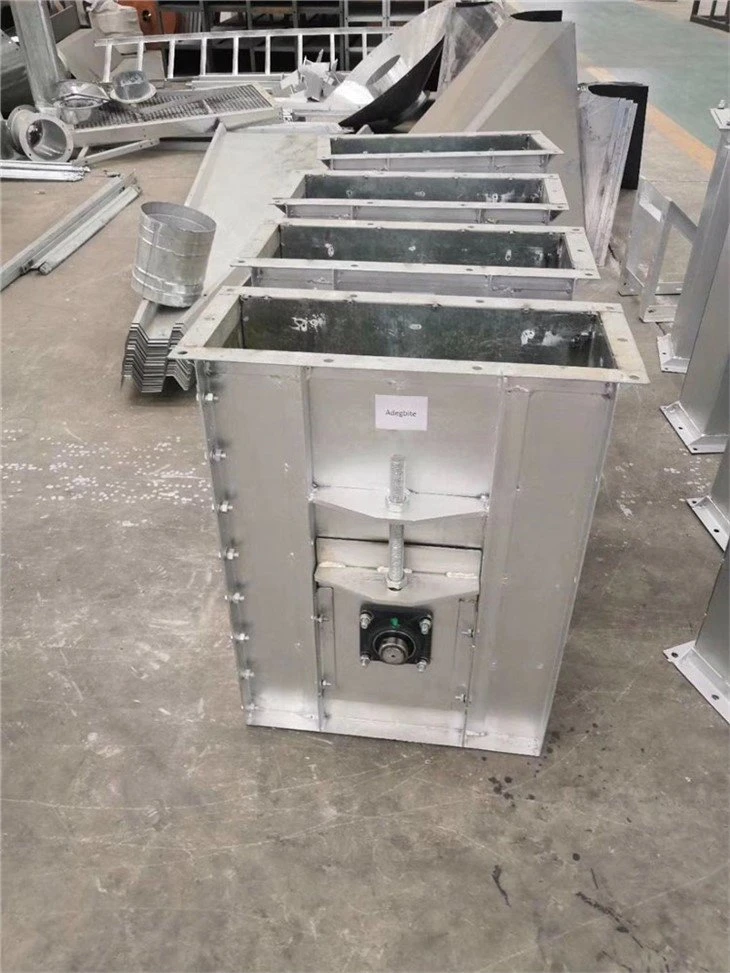
Bearings
Bearings are one of the most critical parts to lubricate. They support the rotating shafts and allow the buckets to move smoothly. Most bucket elevator bearings are sealed, but they still need to be lubricated periodically. You can use a grease gun to inject grease into the bearing through a grease fitting. Make sure not to over - grease, as this can cause the bearing to overheat.
Chains
Chains are another important component. A well - lubricated chain will reduce noise, prevent wear, and improve the overall efficiency of the elevator. You can use an oil - based lubricant and apply it directly to the chain. There are also chain lubrication systems available that can automatically apply the right amount of lubricant at regular intervals. This is especially useful for large or high - speed bucket elevators.
Gears
If your bucket elevator has gears, they also need proper lubrication. Gears transfer power from the motor to the other parts of the elevator, and friction between the gear teeth can cause damage. Use a gear oil that is specifically designed for the type of gears in your elevator. You may need to check the oil level regularly and change it according to the manufacturer's recommendations.
Lubrication Schedule
Establishing a regular lubrication schedule is essential. The frequency of lubrication depends on several factors, such as the type of elevator, the operating conditions, and the type of lubricant used.
For example, in a high - load and high - speed operation, you may need to lubricate the bearings every few days. On the other hand, in a low - load and low - speed environment, lubrication every few weeks might be sufficient. The chains may need to be lubricated daily or at least a few times a week, especially if they are exposed to dust or other contaminants.
It's also a good idea to keep a record of your lubrication activities. This will help you track when each part was last lubricated and ensure that you don't miss any lubrication points.
Lubrication Procedure
Here's a step - by - step guide on how to lubricate a bucket elevator:
Step 1: Safety First
Before you start lubricating, make sure the elevator is turned off and locked out. This will prevent any accidental start - up and keep you safe.
Step 2: Clean the Lubrication Points
Use a clean cloth or a brush to remove any dirt, dust, or old lubricant from the lubrication points. This will ensure that the new lubricant can do its job effectively.
Step 3: Apply the Lubricant
For bearings, use a grease gun to inject the right amount of grease into the grease fitting. For chains, you can use a brush or a spray to apply the oil. When lubricating gears, make sure to fill the gearbox to the correct level.
Step 4: Check for Excess Lubricant
After applying the lubricant, check for any excess. Wipe off any drips or spills to prevent dirt and debris from sticking to the lubricant.
Special Considerations
- Temperature: If your bucket elevator operates in a high - temperature environment, you need to choose lubricants that can withstand the heat. High - temperature greases and synthetic oils are good options. In cold temperatures, the lubricant may thicken, so you may need to use a lubricant with a lower viscosity.
- Contaminants: Dust, dirt, and moisture can contaminate the lubricant and reduce its effectiveness. Make sure to keep the elevator clean and use seals and shields to protect the lubrication points.
Conclusion
Proper lubrication is a must - do for anyone who owns or operates a bucket elevator. By choosing the right lubricant, following a regular lubrication schedule, and using the correct lubrication procedure, you can keep your elevator running smoothly and extend its lifespan.
If you're in the market for a new bucket elevator or need more advice on lubrication, we've got you covered. We offer a wide range of bucket elevators, including the Flour Bucket Elevator and the TDTG Bucket Elevator. Feel free to reach out to us to discuss your specific needs and start a procurement negotiation. We're here to help you get the best equipment and keep it in top - notch condition.
References
- "Industrial Lubrication Handbook" by Klaus Michael Rudnick
- Manufacturer's manuals for bucket elevators