

As a seasoned provider of counterflow coolers, I've witnessed firsthand the pivotal role these machines play in various industries, especially in feed pellet production. Ensuring the long - term efficiency and durability of a counterflow cooler is not only cost - effective but also crucial for maintaining high - quality production. In this blog, I'll elaborate on several key strategies to extend the service life of your counterflow cooler.

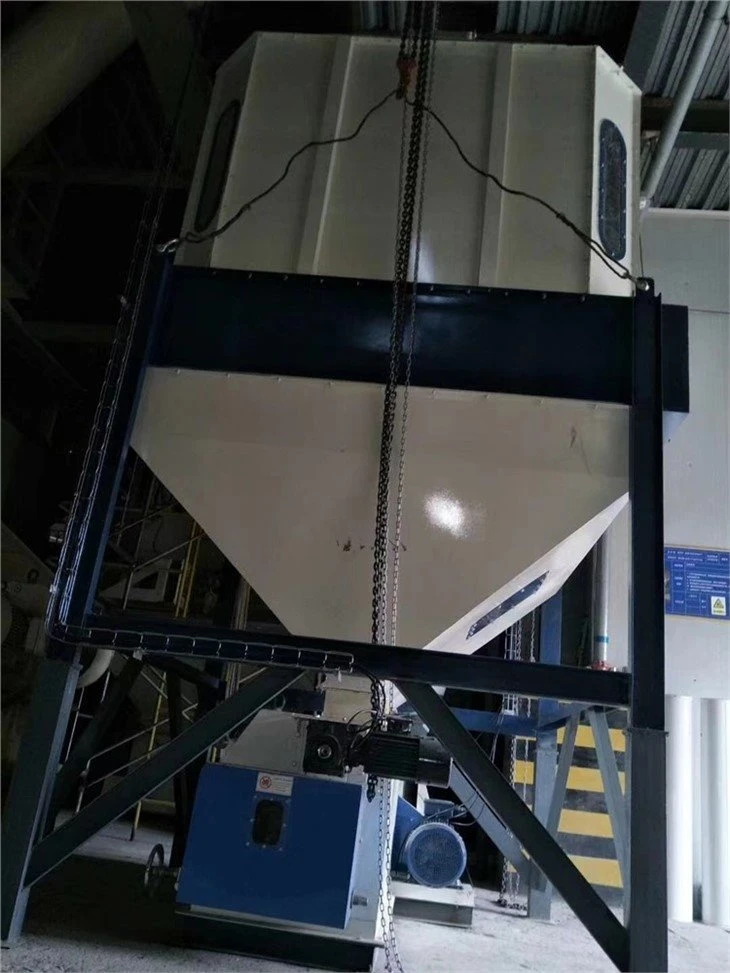
Regular Cleaning and Inspection
One of the most straightforward yet critical steps in extending the lifespan of a counterflow cooler is regular cleaning and inspection. Over time, dust, debris, and particulate matter can accumulate inside the cooler, affecting its performance and potentially causing damage.
For the cleaning part, start by removing the external dirt and dust from the cooler's surface. You can use a soft brush or a compressed air gun to dislodge loose particles. When it comes to the internal components, such as the cooling chambers and the air ducts, a more thorough cleaning is required. According to industry best practices, a deep internal cleaning should be carried out at least once a month in high - production environments. This involves disassembling accessible parts, such as baffles and screens, and cleaning them with a mild detergent and water solution.
Inspection goes hand in hand with cleaning. During the cleaning process, closely examine the cooler for any signs of wear and tear, including cracks, leaks, or loose connections. Pay special attention to the fan blades, which are crucial for the air circulation within the cooler. If you notice any damage to the fan blades, such as chips or bends, replace them immediately. Also, check the seals and gaskets around the doors and access points. A faulty seal can lead to air leakage, reducing the cooler's efficiency and potentially allowing dust and debris to enter other parts of the system.
Proper Lubrication of Moving Parts
Counterflow coolers contain several moving parts, such as motors, fans, and conveyor belts. Proper lubrication of these parts is essential to reduce friction, prevent wear, and extend their service life.
Refer to the manufacturer's guidelines for the recommended type and frequency of lubrication. Generally, motors should be lubricated every 3 - 6 months, depending on the operating hours. Use a high - quality, industrial - grade lubricant that is suitable for the specific type of motor and the operating conditions.
For fans and conveyor belts, lubrication points may vary. Some fans have bearings that require periodic lubrication, while conveyor belts may need a special type of lubricant to ensure smooth operation. Make sure to clean the lubrication points before applying the lubricant to prevent dirt and debris from mixing with the lubricant and causing damage.
Optimal Operating Conditions
Maintaining optimal operating conditions is another key factor in extending the service life of a counterflow cooler. This includes aspects such as temperature, humidity, and airflow.
The temperature at which the cooler operates should be within the recommended range. Higher than normal temperatures can cause the internal components to overheat, leading to premature wear and failure. On the other hand, extremely low temperatures can affect the performance of the lubricants and cause materials to become brittle. Monitor the ambient temperature regularly and consider installing temperature - control devices, such as heaters or air conditioners, if necessary.
Humidity is also an important consideration. High humidity can lead to corrosion and rust inside the cooler, especially in areas where there is moisture accumulation. Install a dehumidifier if the operating environment has high humidity levels. Additionally, ensure proper ventilation to allow moisture to escape from the cooler.
Proper airflow is crucial for the efficient operation of the counterflow cooler. Ensure that the intake and exhaust vents are not blocked. Regularly check the fans to ensure that they are operating at the correct speed and providing sufficient airflow. Blocked vents or inefficient fans can lead to uneven cooling, which can damage the product being cooled and put additional stress on the cooler's components.
Training and Operator Competence
The competence of the operators can significantly impact the service life of a counterflow cooler. Train your operators thoroughly on how to use and maintain the cooler correctly.
Operators should be familiar with the control panel and how to set the appropriate operating parameters, such as temperature, airflow, and cooling time. They should also know how to perform basic troubleshooting procedures, such as identifying and resolving minor malfunctions before they turn into major problems.
Encourage operators to report any unusual noises, vibrations, or performance issues immediately. By addressing these issues promptly, you can prevent further damage to the cooler and extend its service life.
Replacement of Worn - Out Parts
Despite regular maintenance, some parts of the counterflow cooler will eventually wear out and need to be replaced. Keep a stock of commonly worn - out parts, such as fan belts, bearings, and filters.
When replacing parts, always use genuine parts from the manufacturer or high - quality aftermarket parts that meet the specifications of the cooler. Using incorrect or poor - quality parts can not only lead to premature failure but also void the warranty of the cooler.
Regularly assess the condition of the parts during inspections. You can use techniques such as vibration analysis or oil analysis to detect early signs of wear in components like bearings. By replacing worn - out parts in a timely manner, you can prevent more extensive damage to the cooler and ensure its continued reliable operation.
Upgrades and Retrofits
As technology advances, consider upgrading or retrofitting your counterflow cooler to improve its performance and extend its service life. For example, you can install more energy - efficient fans or control systems that can optimize the cooling process.
Upgrading the insulation of the cooler can also improve its energy efficiency and reduce heat loss. This not only saves energy but also reduces the workload on the cooler's components, potentially extending their service life.
If you are interested in learning more about our Counterflow Feed Pellet Cooler and SKLN Counterflow Cooler, which are designed with durability and efficiency in mind, please feel free to contact us. We are more than happy to discuss your specific needs and provide you with the best solutions for your production requirements.
References
- Industry Standards for Counterflow Cooler Maintenance, [Publisher Name], [Year]
- Best Practices in Feed Pellet Production Equipment Maintenance, [Author Name], [Year]