

Ensuring uniform feeding in a feed mill grinder is crucial for the quality and efficiency of feed production. As a supplier of Feed Mill Grinders, I understand the challenges and importance of achieving this goal. In this blog, I will share some key strategies and considerations to help you ensure uniform feeding in your feed mill grinder.
Understanding the Importance of Uniform Feeding
Uniform feeding is essential for several reasons. Firstly, it ensures consistent particle size distribution in the final feed product. When the feed is fed evenly into the grinder, the grinding process can be more controlled, resulting in a more uniform particle size. This is important because the particle size of the feed affects the digestibility and palatability of the feed for animals. A more uniform particle size can lead to better feed conversion ratios and overall animal performance.
Secondly, uniform feeding helps to prevent overloading or underloading of the grinder. Overloading the grinder can cause excessive wear and tear on the grinding components, leading to increased maintenance costs and reduced equipment lifespan. Underloading, on the other hand, can result in inefficient grinding and lower production rates. By ensuring uniform feeding, you can optimize the performance of the grinder and extend its service life.
Factors Affecting Uniform Feeding
Several factors can affect the uniformity of feeding in a feed mill grinder. Understanding these factors is the first step in addressing any feeding issues.
1. Feed Characteristics
The physical properties of the feed, such as particle size, density, moisture content, and flowability, can significantly impact feeding uniformity. For example, feeds with a high moisture content may be more likely to clump together, causing uneven feeding. Similarly, feeds with a wide range of particle sizes may not flow evenly through the feeder. It is important to analyze the feed characteristics and make appropriate adjustments to the feeding system.
2. Feeder Design and Performance
The design and performance of the feeder play a crucial role in ensuring uniform feeding. Different types of feeders, such as screw feeders, belt feeders, and impeller feeders, have different capabilities and limitations. For example, an Animal Feed Impeller Feeder is designed to provide a consistent and accurate flow of feed, making it suitable for applications where uniform feeding is critical. It is important to select the right feeder for your specific feed and production requirements and ensure that it is properly installed and maintained.
3. Grinder Configuration
The configuration of the grinder, including the rotor speed, screen size, and hammer design, can also affect feeding uniformity. For example, a grinder with a high rotor speed may require a more consistent feed rate to prevent overloading. Similarly, the screen size can influence the particle size of the output and the flow of feed through the grinder. It is important to optimize the grinder configuration to match the feed characteristics and feeder performance.
4. System Integration
The integration of the feeder, grinder, and other components in the feed mill system is essential for uniform feeding. Any misalignment or improper connection between these components can cause feeding problems. For example, if the feeder is not properly aligned with the grinder inlet, the feed may not enter the grinder evenly. It is important to ensure that all components are properly installed and integrated to ensure smooth and uniform feed flow.
Strategies for Ensuring Uniform Feeding
Based on the factors discussed above, here are some strategies that can help you ensure uniform feeding in a feed mill grinder.
1. Feed Preparation
Proper feed preparation is essential for uniform feeding. This includes cleaning the feed to remove any foreign materials that could cause blockages or uneven feeding. It also involves adjusting the moisture content of the feed to an appropriate level to improve its flowability. Additionally, pre - conditioning the feed, such as by using a conditioner or a mixer, can help to break up any clumps and ensure a more homogeneous feed.
2. Feeder Selection and Optimization
As mentioned earlier, selecting the right feeder is crucial for uniform feeding. Consider the feed characteristics, production rate, and required accuracy when choosing a feeder. Once you have selected a feeder, optimize its performance by adjusting the feed rate, speed, and other parameters according to the feed and grinder requirements. Regularly calibrate the feeder to ensure accurate and consistent feeding.
3. Grinder Optimization
Optimize the grinder configuration to match the feed and feeder. Adjust the rotor speed, screen size, and hammer design to achieve the desired particle size and feeding performance. Regularly inspect and maintain the grinder to ensure that it is in good working condition. Replace any worn or damaged components promptly to prevent feeding problems.
4. System Monitoring and Control
Implement a system for monitoring and controlling the feeding process. This can include using sensors to measure the feed rate, level, and other parameters in real - time. By monitoring these parameters, you can detect any feeding issues early and take corrective actions. Additionally, using a control system to adjust the feeder and grinder settings automatically can help to maintain uniform feeding under different operating conditions.
5. Employee Training
Proper employee training is essential for ensuring uniform feeding. Train your operators on the proper operation and maintenance of the feeder, grinder, and other components in the feed mill system. Make sure they understand the importance of uniform feeding and how to identify and address any feeding issues. Encourage them to follow standard operating procedures and report any problems immediately.
Case Studies
Let's take a look at some real - world examples of how these strategies have been applied to ensure uniform feeding in feed mill grinders.
Case Study 1: A Poultry Feed Mill
A poultry feed mill was experiencing problems with uneven feeding in their Poultry Feed Hammer Mill. The feed was clumping together, causing blockages in the feeder and inconsistent particle size in the output. After analyzing the feed characteristics, they found that the moisture content was too high. They implemented a feed drying process to reduce the moisture content and installed an Animal Feed Impeller Feeder to improve the feed flow. They also optimized the grinder configuration by adjusting the rotor speed and screen size. As a result, they were able to achieve uniform feeding, improve the particle size consistency of the feed, and increase the production efficiency.
Case Study 2: A Swine Feed Mill
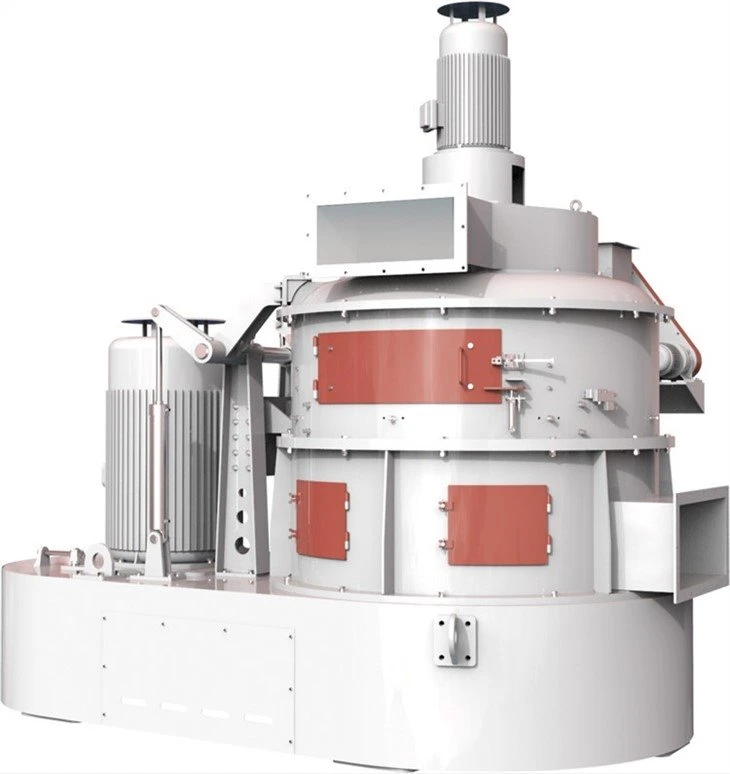
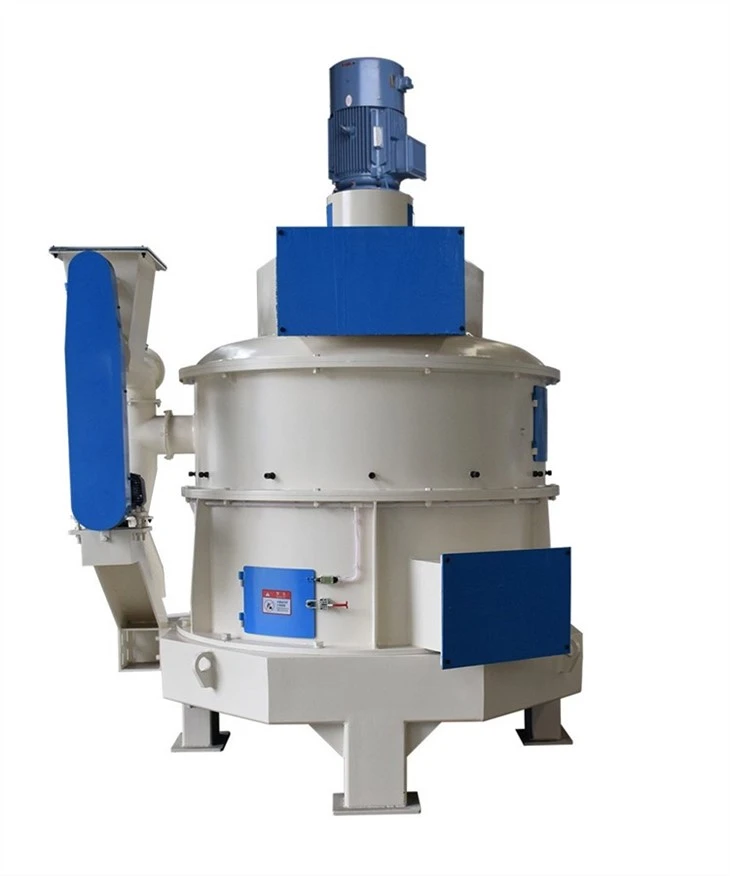
A swine feed mill was facing challenges with overloading and underloading of their grinder due to uneven feeding. They selected a SWFL Series Ultra - fine Pulverizer SWFL Series Ultra - fine Pulverizer which was designed for high - precision grinding. They also installed a belt feeder with a variable speed drive to provide a more consistent feed rate. By integrating the feeder and grinder properly and implementing a monitoring system, they were able to ensure uniform feeding and optimize the performance of the grinder.
Conclusion
Ensuring uniform feeding in a feed mill grinder is a complex but achievable goal. By understanding the factors that affect feeding uniformity, implementing the right strategies, and learning from real - world case studies, you can improve the quality and efficiency of your feed production. As a Feed Mill Grinder supplier, we are committed to providing you with the best equipment and technical support to help you achieve uniform feeding. If you have any questions or need assistance with your feed mill system, please do not hesitate to contact us for a consultation. We look forward to working with you to optimize your feed production process.
References
- "Feed Mill Operations Handbook" by Feed Mill Manufacturers Association
- "Principles of Animal Nutrition" by various authors in the field of animal science
- Industry research reports on feed mill technology and equipment