

As a supplier of drag conveyors, ensuring the synchronization of a drag conveyor with other equipment is a crucial aspect that directly impacts the efficiency and productivity of an entire production line. In this blog, I'll share some insights and practical strategies on how to achieve this synchronization effectively.
Understanding the Basics of Drag Conveyors
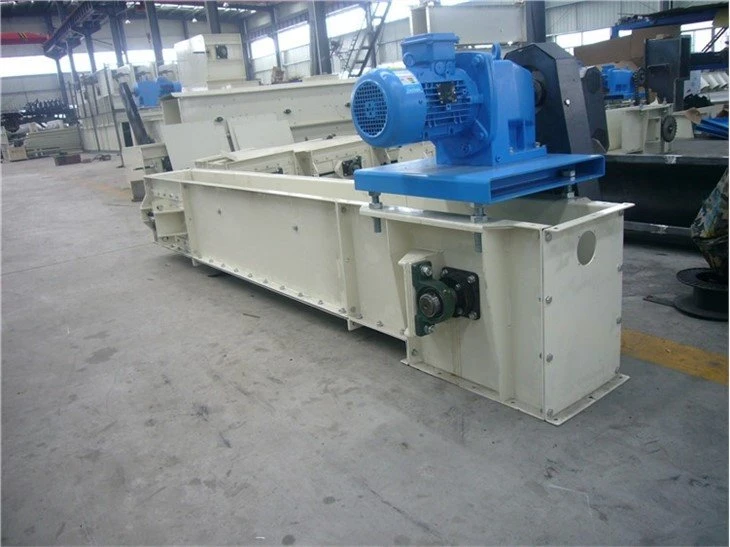
Before delving into the synchronization process, it's essential to have a clear understanding of drag conveyors. A drag conveyor is a type of mechanical conveyor that uses a chain or belt to drag material along a trough or tube. There are different types of drag conveyors, such as the TGSSP Series Level Drag Conveyor and the Drag Chain Conveyor. These conveyors are widely used in various industries, including mining, agriculture, and manufacturing, to transport bulk materials like grains, powders, and aggregates.
Importance of Synchronization
Synchronizing a drag conveyor with other equipment, such as feeders, crushers, and packaging machines, is vital for several reasons. Firstly, it ensures a continuous and smooth flow of materials throughout the production process. When all equipment operates in harmony, there are fewer bottlenecks and interruptions, leading to increased throughput. Secondly, synchronization helps to maintain product quality. For example, if a drag conveyor is not synchronized with a packaging machine, it may result in overfilling or underfilling of packages, which can affect the overall quality of the product. Finally, proper synchronization can reduce wear and tear on equipment, leading to lower maintenance costs and longer equipment lifespan.
Factors Affecting Synchronization
Several factors can affect the synchronization of a drag conveyor with other equipment. These include:

- Speed and Capacity: The speed and capacity of the drag conveyor and other equipment must be carefully matched. If the conveyor is too slow, it may not be able to keep up with the output of other equipment, causing a backlog. On the other hand, if the conveyor is too fast, it may overfill downstream equipment or cause material spillage.
- Control Systems: The control systems of the drag conveyor and other equipment play a crucial role in synchronization. These systems need to communicate effectively to ensure that all equipment starts, stops, and operates at the appropriate times.
- Material Characteristics: The characteristics of the material being conveyed, such as its density, flowability, and particle size, can also affect synchronization. For example, materials with poor flowability may require a slower conveyor speed to prevent blockages.
- Mechanical Alignment: Proper mechanical alignment of the drag conveyor and other equipment is essential for smooth operation. Misaligned equipment can cause excessive wear on components and disrupt the flow of materials.
Strategies for Ensuring Synchronization
To ensure the synchronization of a drag conveyor with other equipment, the following strategies can be employed:
- System Design and Planning: During the design phase, it's important to consider the overall layout of the production line and the requirements of all equipment. This includes determining the appropriate conveyor speed, capacity, and type based on the material characteristics and the output of other equipment. A well-designed system will minimize the need for manual intervention and ensure seamless operation.
- Use of Sensors and Feedback Systems: Sensors can be used to monitor the operation of the drag conveyor and other equipment in real-time. For example, level sensors can be installed to detect the amount of material in the conveyor, while speed sensors can monitor the conveyor's speed. This data can be fed back to the control system, which can then adjust the operation of the equipment as needed to maintain synchronization.
- Programmable Logic Controllers (PLCs): PLCs are widely used in industrial automation to control the operation of equipment. By programming a PLC, it's possible to coordinate the start, stop, and speed of the drag conveyor and other equipment based on predefined parameters. PLCs can also be used to implement safety features, such as emergency stops and overload protection.
- Regular Maintenance and Inspection: Regular maintenance and inspection of the drag conveyor and other equipment are essential to ensure their proper functioning. This includes checking for worn-out parts, lubricating moving components, and ensuring proper alignment. By identifying and addressing potential issues early, it's possible to prevent breakdowns and maintain synchronization.
- Operator Training: Proper training of operators is crucial for the successful operation of a synchronized production line. Operators should be familiar with the operation of the drag conveyor and other equipment, as well as the control systems used for synchronization. They should also be trained to recognize and respond to any signs of equipment malfunction or synchronization issues.
Case Studies
Let's take a look at a couple of case studies to illustrate the importance of synchronization and how it can be achieved in real-world scenarios.
Case Study 1: Food Processing Industry
In a food processing plant, a drag conveyor is used to transport grains from a storage silo to a milling machine. To ensure synchronization, the conveyor speed is adjusted based on the feed rate of the milling machine. A level sensor is installed in the hopper of the milling machine to detect the amount of material. If the level drops below a certain point, the conveyor speed is increased to maintain a continuous supply of grains. A PLC is used to control the operation of the conveyor and the milling machine, ensuring that they start and stop simultaneously. As a result, the plant has been able to increase its production efficiency by 20% and reduce the amount of wasted material.
Case Study 2: Mining Industry
In a mining operation, a drag chain conveyor is used to transport ore from a crusher to a conveyor belt. To synchronize the operation of the conveyor with the crusher, a speed sensor is installed on the crusher. The data from the speed sensor is sent to a control system, which adjusts the speed of the conveyor accordingly. This ensures that the conveyor can handle the output of the crusher without overloading. Additionally, regular maintenance and inspection of the conveyor and the crusher have helped to prevent breakdowns and maintain synchronization. As a result, the mining operation has been able to increase its ore production by 15% and reduce maintenance costs.
Conclusion
Ensuring the synchronization of a drag conveyor with other equipment is a complex but essential task that requires careful planning, proper design, and the use of advanced control systems. By understanding the factors that affect synchronization and implementing the strategies outlined in this blog, it's possible to achieve a highly efficient and productive production line. At our company, we have extensive experience in supplying high-quality drag conveyors and providing solutions for synchronization. If you're interested in learning more about our products or need assistance with synchronizing your drag conveyor with other equipment, please don't hesitate to contact us for a procurement discussion.
References
- "Conveyor Belt Handbook" by Conveyor Equipment Manufacturers Association (CEMA)
- "Industrial Automation: A Practical Guide" by Peter Nachtwey
- "Materials Handling Handbook" by Arthur M. Gaudet