

Hey there! As a supplier of Feed Mill Grinders, I've seen firsthand how crucial it is to control the feed rate properly. It can make or break the efficiency and quality of your grinding process. So, let's dive into how you can master the art of controlling the feed rate of a Feed Mill Grinder.
Why Controlling Feed Rate Matters
First off, why is it such a big deal? Well, if the feed rate is too high, the grinder can get overloaded. This leads to uneven grinding, more wear and tear on the equipment, and can even cause the machine to break down. On the other hand, if the feed rate is too low, you're not using the grinder to its full potential, which means lower productivity and higher costs per unit of output.
Factors Affecting Feed Rate
There are several factors that can influence the feed rate of a Feed Mill Grinder. Let's take a look at some of the most important ones.
Material Characteristics
The type of material you're grinding plays a huge role. Different materials have different densities, particle sizes, and moisture contents. For example, dry and fine materials tend to flow more easily than wet and coarse ones. If you're grinding a material with a high moisture content, it might clump together and not flow smoothly into the grinder, which can affect the feed rate.
Grinder Design
The design of the grinder itself also matters. Some grinders are designed to handle higher feed rates than others. The size of the inlet, the shape of the grinding chamber, and the speed of the grinding elements all impact how much material the grinder can process at a time.
Feeding System
The feeding system you use is another key factor. There are various types of feeding systems available, such as screw feeders, belt feeders, and Impeller Feeder. Each type has its own advantages and disadvantages when it comes to controlling the feed rate. For instance, a screw feeder can provide a more consistent feed rate, while an impeller feeder can handle larger volumes of material.
Methods to Control Feed Rate
Now that we know what affects the feed rate, let's talk about how to control it.
Manual Control
One of the simplest ways to control the feed rate is through manual control. This involves adjusting the opening of the feed hopper or the speed of the feeding device by hand. It's a basic method, but it requires a lot of attention from the operator. You need to constantly monitor the grinder's performance and make adjustments as needed. Manual control can be effective for small-scale operations or when you're dealing with materials that have consistent characteristics.
Automatic Control
For larger operations or when you need more precise control, automatic control systems are the way to go. These systems use sensors and controllers to monitor the feed rate and make adjustments automatically. For example, a load sensor can detect if the grinder is overloaded or underloaded and adjust the feed rate accordingly. There are also advanced control systems that can take into account multiple factors, such as the material characteristics and the grinder's performance, to optimize the feed rate.

Variable Frequency Drives (VFDs)
VFDs are another popular method for controlling the feed rate. They allow you to adjust the speed of the feeding device, such as a conveyor belt or a screw feeder, by changing the frequency of the electrical power supply. By varying the speed of the feeding device, you can control the amount of material that is fed into the grinder. VFDs are energy-efficient and can provide a high level of control over the feed rate.
Tips for Optimizing Feed Rate
Here are some tips to help you optimize the feed rate of your Feed Mill Grinder.
Conduct a Material Analysis
Before you start grinding, it's a good idea to conduct a material analysis. This will help you understand the characteristics of the material you're working with, such as its density, particle size, and moisture content. Based on the analysis, you can adjust the feed rate and other parameters of the grinder to achieve the best results.
Regular Maintenance
Regular maintenance of your grinder and feeding system is essential for maintaining a consistent feed rate. Make sure to clean the grinder regularly to prevent blockages and keep the feeding device in good working condition. Check for any worn-out parts and replace them as needed.
Train Your Operators
Your operators play a crucial role in controlling the feed rate. Make sure they are properly trained on how to operate the grinder and the feeding system. They should know how to monitor the feed rate, make adjustments, and troubleshoot any issues that may arise.
Our Products for Feed Rate Control
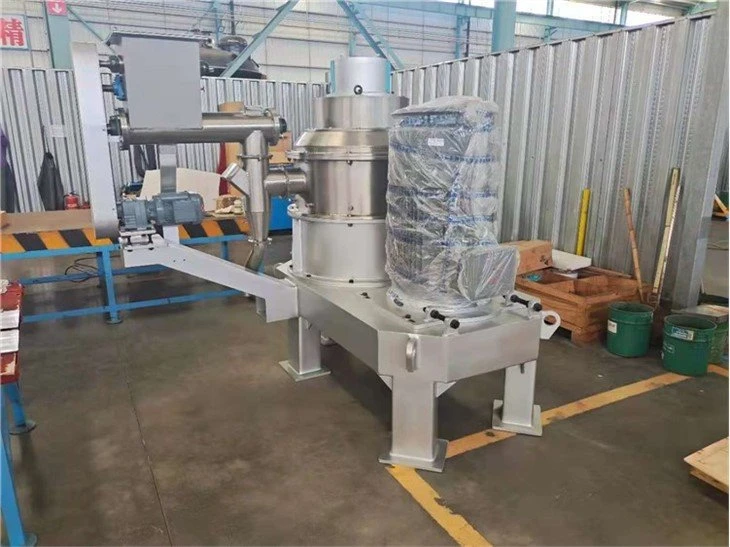
At our company, we offer a range of products that can help you control the feed rate of your Feed Mill Grinder. Our SWFL Series Ultra-fine Pulverizer and Ultra-fine Pulverizer are designed with advanced features to ensure a consistent and efficient feed rate. These pulverizers are equipped with high-quality feeding systems and control mechanisms that allow you to adjust the feed rate easily.
Conclusion
Controlling the feed rate of a Feed Mill Grinder is essential for achieving optimal performance and quality. By understanding the factors that affect the feed rate and using the right methods and products, you can ensure that your grinder operates efficiently and effectively. If you're interested in learning more about our Feed Mill Grinders or need help with feed rate control, don't hesitate to reach out to us. We're here to provide you with the best solutions for your grinding needs.
References
- "Feed Mill Operations Handbook" by various authors
- Industry research reports on feed mill grinding technology