

As a seasoned supplier of Feed Pellet Mills, I've witnessed firsthand the importance of properly adjusting the pressure of these machines. The pressure in a feed pellet mill plays a crucial role in determining the quality, density, and overall efficiency of the pellet production process. In this blog post, I'll share some valuable insights on how to adjust the pressure of a feed pellet mill effectively.
Understanding the Role of Pressure in a Feed Pellet Mill
Before delving into the adjustment process, it's essential to understand why pressure is so important in a feed pellet mill. The pressure is responsible for compressing the raw materials into dense, uniform pellets. If the pressure is too low, the pellets may be loose and crumbly, lacking the necessary strength to withstand handling and storage. On the other hand, if the pressure is too high, it can lead to excessive wear and tear on the machine, as well as overheating and potential damage to the pellets.
The ideal pressure for a feed pellet mill depends on several factors, including the type of raw materials being used, the desired pellet size and density, and the specific design and specifications of the machine. Therefore, it's crucial to have a good understanding of these factors before attempting to adjust the pressure.
Factors Affecting Pressure in a Feed Pellet Mill
Several factors can affect the pressure in a feed pellet mill. Here are some of the most common ones:
Raw Materials
The type and quality of the raw materials used in the pellet production process can have a significant impact on the pressure required. Different materials have different physical properties, such as density, moisture content, and particle size, which can affect how easily they can be compressed into pellets. For example, materials with a high moisture content may require more pressure to achieve the desired pellet density, while materials with a large particle size may require less pressure.
Pellet Die
The pellet die is one of the most critical components of a feed pellet mill, as it determines the size and shape of the pellets. The thickness and hole diameter of the pellet die can also affect the pressure required to produce pellets. A thicker die or a smaller hole diameter will generally require more pressure to force the raw materials through the die.
Roller Adjustment
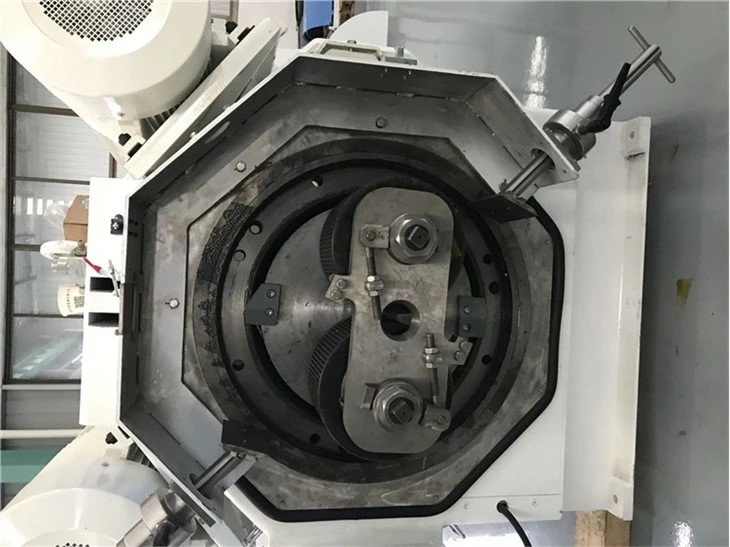
The rollers in a feed pellet mill are responsible for pressing the raw materials against the pellet die. The distance between the rollers and the die, as well as the pressure applied by the rollers, can affect the overall pressure in the machine. If the rollers are too close to the die, it can increase the pressure and cause the machine to overheat. Conversely, if the rollers are too far from the die, it can result in low pressure and poor pellet quality.
Moisture Content
The moisture content of the raw materials is another important factor that can affect the pressure in a feed pellet mill. If the moisture content is too high, it can make the materials sticky and difficult to compress, requiring more pressure. On the other hand, if the moisture content is too low, the materials may be too dry and brittle, resulting in low-quality pellets.
Steps to Adjust the Pressure of a Feed Pellet Mill
Now that we've discussed the factors that affect pressure in a feed pellet mill, let's take a look at the steps involved in adjusting the pressure.
Step 1: Check the Machine Manual
Before attempting to adjust the pressure of your feed pellet mill, it's essential to consult the machine manual. The manual will provide you with specific instructions and guidelines on how to adjust the pressure for your particular model of machine. It will also include important safety information and precautions that you need to follow.
Step 2: Prepare the Machine
Before making any adjustments to the pressure, it's important to prepare the machine properly. This includes cleaning the machine thoroughly, checking the lubrication levels, and ensuring that all the components are in good working condition. You should also make sure that the machine is properly grounded and that all the safety guards are in place.
Step 3: Adjust the Roller Pressure
The first step in adjusting the pressure of a feed pellet mill is to adjust the roller pressure. This can usually be done by adjusting the tension on the roller springs or by using a hydraulic system. The goal is to achieve the right balance between the pressure applied by the rollers and the distance between the rollers and the die.
To adjust the roller pressure, start by loosening the roller adjustment bolts or nuts. Then, turn the adjustment screws or knobs to increase or decrease the pressure applied by the rollers. It's important to make small adjustments at a time and to test the machine after each adjustment to see how it affects the pellet quality and the pressure in the machine.
Step 4: Adjust the Pellet Die
If adjusting the roller pressure doesn't achieve the desired results, you may need to adjust the pellet die. This can be done by changing the thickness or hole diameter of the die, or by using a different type of die. However, it's important to note that changing the pellet die can be a complex and time-consuming process, and it should only be done by a qualified technician.

Step 5: Monitor and Test the Machine
Once you've made the necessary adjustments to the pressure, it's important to monitor and test the machine to ensure that it's operating properly. This includes checking the pellet quality, the temperature of the machine, and the pressure gauge readings. You should also run the machine for a few hours to allow it to stabilize and to ensure that the adjustments are holding.
Tips for Maintaining Optimal Pressure in a Feed Pellet Mill
Here are some tips to help you maintain optimal pressure in your feed pellet mill:
Regular Maintenance
Regular maintenance is essential for ensuring the proper functioning of your feed pellet mill. This includes cleaning the machine, lubricating the moving parts, and checking the components for wear and tear. By keeping the machine in good condition, you can prevent problems that can affect the pressure and the overall performance of the machine.
Use High-Quality Raw Materials
Using high-quality raw materials is crucial for achieving consistent and high-quality pellets. Make sure that the raw materials are clean, dry, and free from contaminants. You should also ensure that the moisture content of the raw materials is within the recommended range for your machine.
Monitor the Pressure Gauge
The pressure gauge is an important tool for monitoring the pressure in your feed pellet mill. Make sure that the pressure gauge is calibrated regularly and that you check the readings frequently to ensure that the pressure is within the recommended range.
Train Your Operators
Proper training is essential for ensuring that your operators know how to operate the feed pellet mill correctly and how to adjust the pressure as needed. Make sure that your operators are familiar with the machine's operating manual and that they receive regular training on maintenance and troubleshooting.
Conclusion
Adjusting the pressure of a feed pellet mill is a crucial step in ensuring the quality and efficiency of the pellet production process. By understanding the factors that affect pressure, following the proper adjustment steps, and maintaining the machine regularly, you can achieve optimal pressure and produce high-quality pellets consistently.
If you're in the market for a Feed Pellet Mill, we offer a wide range of high-quality machines, including Chicken Feed Pellet Mill, Rabbit Pellet Making Machine, and Poultry Pellet Mill. Our machines are designed to provide reliable and efficient performance, and we offer comprehensive after-sales support to ensure your satisfaction.
If you have any questions or would like to discuss your specific requirements, please don't hesitate to contact us. We look forward to working with you to meet your feed pellet production needs.
References
- "Feed Pellet Mill Operation and Maintenance Guide"
- "Pellet Production Technology Handbook"
- Industry research and technical documents on feed pellet mills.