

Hey there! As a supplier of Impeller Feeders, I often get asked about how to adjust the impeller height in an Impeller Feeder. It's a crucial step that can significantly impact the performance of the feeder, so I'm here to share some tips and tricks on how to do it right.
First off, let's understand why adjusting the impeller height is so important. The impeller in an Impeller Feeder plays a key role in controlling the flow of materials. By adjusting its height, you can regulate the amount of material that is fed through the feeder. If the impeller is set too high, it might not pick up enough material, leading to an inconsistent feed rate. On the other hand, if it's set too low, it could cause overfeeding and potentially damage the feeder or other parts of the system.
Before you start adjusting the impeller height, make sure you've got the right tools. You'll typically need a set of wrenches, a measuring device like a caliper or a ruler, and a good understanding of your specific Impeller Feeder model. Different models might have slightly different adjustment mechanisms, so it's always a good idea to refer to the user manual for your feeder.
Okay, so let's get into the actual process. The first thing you need to do is to shut down the feeder and make sure it's completely powered off. Safety first, right? You don't want any accidental starts while you're working on it.
Next, locate the adjustment mechanism for the impeller height. In most Impeller Feeders, this is usually found near the motor or the impeller housing. It could be a set of bolts, nuts, or screws that you need to loosen or tighten to change the height.
Once you've found the adjustment mechanism, use your wrench to loosen the appropriate fasteners. Be careful not to remove them completely, just loosen them enough so that you can move the impeller up or down.
Now, it's time to measure the current impeller height. Use your caliper or ruler to get an accurate measurement. This will give you a baseline to work from and help you make precise adjustments.
Based on your feeder's specifications and the requirements of your application, decide whether you need to raise or lower the impeller. If you're having trouble getting enough material flow, you might want to lower the impeller slightly. If you're getting too much material, raising it could be the solution.

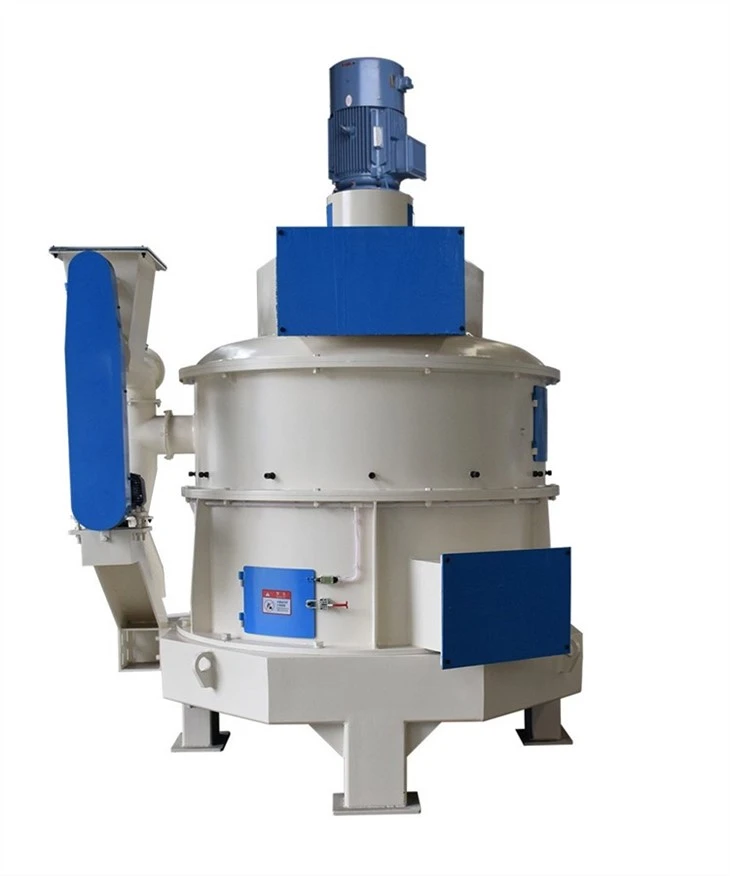
Make small adjustments at a time. Don't try to make big changes all at once, as this could throw off the balance of the feeder and lead to more problems. After each adjustment, re - measure the impeller height to see how much you've changed it.
Once you've made the desired adjustment, use your wrench to tighten the fasteners back up. Make sure they're tightened securely, but don't over - tighten them, as this could damage the feeder.
After you've tightened the fasteners, double - check the impeller height one more time to make sure it's at the correct level. It's also a good idea to give the feeder a quick visual inspection to make sure everything looks okay.
Now, it's time to power on the feeder and test it out. Start it up and observe the material flow. Does it seem more consistent? Is the feed rate what you expected? If not, you might need to make further adjustments. Just repeat the process until you get the desired results.
It's important to note that adjusting the impeller height is not a one - time thing. Over time, the impeller might wear down, or the feeder's performance might change due to different materials or operating conditions. So, it's a good practice to regularly check and adjust the impeller height to keep your feeder running at its best.
In addition to adjusting the impeller height, there are other factors that can affect the performance of your Impeller Feeder. For example, the type of material you're feeding can make a big difference. Some materials might be more sticky or abrasive than others, which can impact the impeller's ability to pick up and move the material. If you're dealing with challenging materials, you might need to make more frequent adjustments or even consider using a different type of feeder.
Another thing to keep in mind is the speed of the impeller. The speed at which the impeller rotates can also affect the feed rate. You can usually adjust the impeller speed using the feeder's control panel or a variable frequency drive. By adjusting both the impeller height and the speed, you can fine - tune the feeder's performance to meet your specific needs.
If you're in the market for an Impeller Feeder or other related equipment, we've got some great options for you. Check out our Poultry Feed Hammer Mill, which is perfect for grinding poultry feed to the right consistency. We also have the SWFL Series Ultra - fine Pulverizer for those who need ultra - fine grinding. And of course, our Animal Feed Impeller Feeder is designed to provide accurate and consistent feed rates for all your animal feed needs.
If you have any questions about adjusting the impeller height in an Impeller Feeder or if you're interested in purchasing our products, feel free to reach out to us. We're always here to help you find the best solutions for your business. Our team of experts can provide you with more detailed information and support to ensure that you get the most out of your equipment.
In conclusion, adjusting the impeller height in an Impeller Feeder is an important process that can have a big impact on the feeder's performance. By following the steps I've outlined above and keeping an eye on other factors like material type and impeller speed, you can ensure that your feeder runs smoothly and efficiently. Don't hesitate to contact us if you need any further assistance or if you're ready to take your feeding operations to the next level.
References
- Manufacturer's user manual for Impeller Feeders
- Industry best practices for feeder maintenance and adjustment