

As a seasoned supplier of bucket elevators, I often get asked the question: "How often should I maintain my bucket elevator?" This is a crucial query that can significantly impact the efficiency, longevity, and safety of your equipment. In this blog, I'll delve into the factors that determine maintenance frequency and provide some practical guidelines to help you keep your bucket elevator in top-notch condition.
Understanding the Basics of Bucket Elevator Maintenance
Before we discuss the maintenance schedule, it's essential to understand what maintenance entails for a bucket elevator. Maintenance typically includes inspections, cleaning, lubrication, replacement of worn parts, and adjustments. Regular maintenance helps prevent breakdowns, reduces downtime, and ensures that the elevator operates at peak performance.
Factors Influencing Maintenance Frequency
Several factors can influence how often you should maintain your bucket elevator. Here are some of the most important ones:
1. Operating Conditions
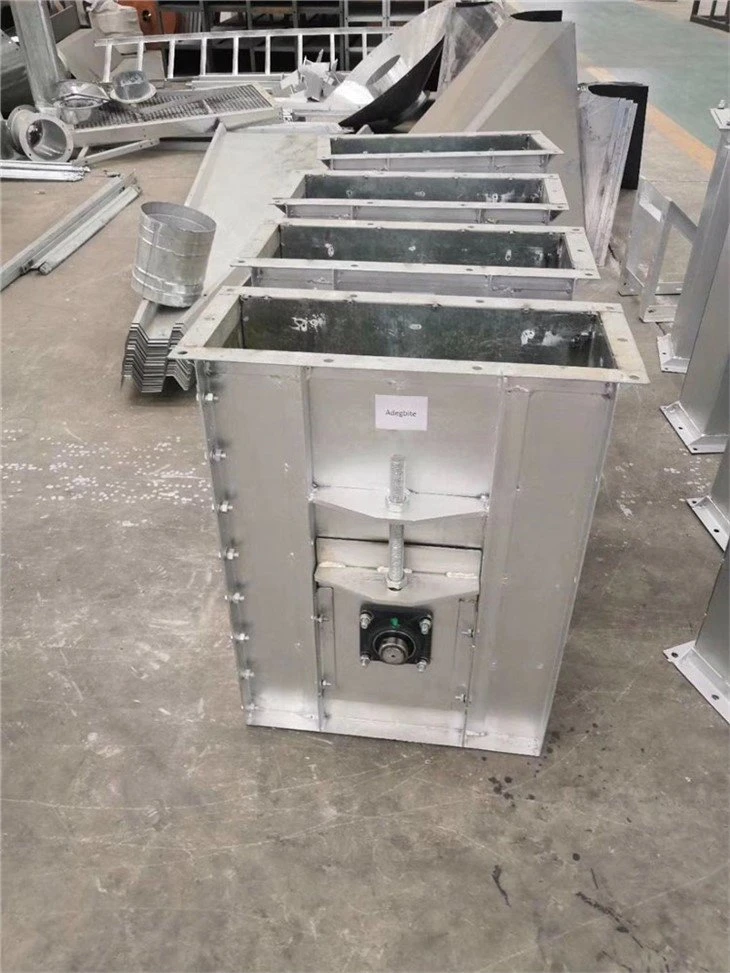
The environment in which the bucket elevator operates plays a significant role in determining maintenance frequency. If the elevator is used in a harsh environment, such as a dusty or corrosive setting, it will require more frequent maintenance. For example, in a flour mill, the dust can accumulate on the moving parts of the elevator, causing increased wear and tear. In this case, more frequent cleaning and inspections will be necessary. You can learn more about the Flour Bucket Elevator on our website.

2. Material Being Conveyed
The type of material being conveyed by the bucket elevator also affects maintenance frequency. Abrasive materials, such as gravel or sand, can cause more wear on the buckets, belts, and chains compared to less abrasive materials like grains. If you're conveying abrasive materials, you may need to replace the buckets and other components more frequently.
3. Operating Hours
The number of hours the bucket elevator operates per day, week, or month is another crucial factor. A bucket elevator that runs continuously for long hours will require more frequent maintenance than one that operates only a few hours a day. Continuous operation puts more stress on the components, leading to faster wear and tear.
4. Manufacturer's Recommendations
The manufacturer of the bucket elevator usually provides maintenance guidelines based on the design and specifications of the equipment. These recommendations are a good starting point for determining the maintenance frequency. It's important to follow these guidelines closely to ensure the warranty remains valid and to maximize the lifespan of the elevator.
General Maintenance Guidelines
Based on the factors mentioned above, here are some general maintenance guidelines for bucket elevators:
1. Daily Inspections
- Visual Inspection: Conduct a visual inspection of the elevator before each shift. Look for any signs of damage, such as broken buckets, loose bolts, or worn belts. Check for abnormal noises or vibrations during operation, as these can indicate potential problems.
- Cleaning: Remove any debris or material buildup from the elevator, especially around the discharge area and the bottom of the boot. This helps prevent blockages and ensures smooth operation.
2. Weekly Maintenance
- Lubrication: Check the lubrication levels of all moving parts, such as bearings, chains, and gears. Lubricate them as per the manufacturer's recommendations. Proper lubrication reduces friction and wear, extending the life of the components.
- Tension Adjustment: Check the tension of the belts and chains. Over time, belts and chains can stretch, leading to slippage or misalignment. Adjust the tension as needed to ensure proper operation.
3. Monthly Maintenance
- Component Inspection: Inspect the buckets, belts, chains, and other components for wear and tear. Replace any worn or damaged parts immediately to prevent further damage to the elevator.
- Electrical System Check: Check the electrical connections, switches, and motors for any signs of damage or overheating. Ensure that the electrical system is functioning properly to avoid electrical failures.
4. Quarterly Maintenance
- Alignment Check: Check the alignment of the elevator components, such as the head and boot pulleys. Misalignment can cause excessive wear on the belts and chains and reduce the efficiency of the elevator. Adjust the alignment as needed.
- Drive System Inspection: Inspect the drive system, including the motor, gearbox, and couplings. Check for any signs of leaks, abnormal noises, or vibrations. Replace any worn or damaged parts in the drive system.
5. Annual Maintenance
- Comprehensive Inspection: Conduct a thorough inspection of the entire bucket elevator, including all components and systems. This may involve disassembling some parts for a detailed inspection.
- Performance Testing: Test the performance of the elevator, including its capacity, speed, and power consumption. Compare the results with the manufacturer's specifications to ensure that the elevator is operating efficiently.
The Importance of Regular Maintenance
Regular maintenance of your bucket elevator offers several benefits:
1. Increased Reliability
By performing regular maintenance, you can identify and address potential problems before they turn into major breakdowns. This reduces the risk of unexpected downtime, ensuring that your production process runs smoothly.
2. Extended Lifespan
Proper maintenance helps extend the lifespan of the bucket elevator. By replacing worn parts and keeping the components in good condition, you can avoid premature failure and get more years of service from your equipment.
3. Improved Efficiency
A well-maintained bucket elevator operates more efficiently, consuming less energy and reducing operating costs. It also ensures that the material is conveyed at the desired rate, improving the overall productivity of your operation.
4. Enhanced Safety
Regular maintenance helps ensure the safety of your employees. A properly maintained elevator is less likely to malfunction, reducing the risk of accidents and injuries in the workplace.
Conclusion
In conclusion, the frequency of bucket elevator maintenance depends on several factors, including operating conditions, the material being conveyed, operating hours, and manufacturer's recommendations. By following the general maintenance guidelines outlined in this blog, you can keep your bucket elevator in excellent condition and enjoy its benefits for years to come.
If you're in the market for a high-quality bucket elevator or need more information about maintenance and support, we're here to help. Our TDTG Bucket Elevator is a popular choice among our customers, offering reliable performance and durability. Contact us today to discuss your specific requirements and let us assist you in finding the perfect bucket elevator solution for your business.
References
- Manufacturer's manuals and technical documents for bucket elevators.
- Industry standards and best practices for conveyor equipment maintenance.