

Hey there, fellow feed pellet enthusiasts! I'm a supplier of Feed Pellet Mills, and I get this question a lot: "How often should a Feed Pellet Mill be lubricated?" Well, let's dive right into it.
Why Lubrication Matters
Before we talk about how often to lubricate, let's understand why it's so important. Lubrication in a feed pellet mill serves several crucial functions. First off, it reduces friction between moving parts. In a pellet mill, there are a lot of components that are constantly rubbing against each other, like the rollers and the die. Without proper lubrication, this friction can cause excessive wear and tear, which shortens the lifespan of these parts.
Secondly, lubrication helps in dissipating heat. The mechanical action inside the pellet mill generates a significant amount of heat. If this heat isn't managed properly, it can lead to thermal expansion of parts, which can affect the performance and accuracy of the pellet mill. A good lubricant acts as a heat transfer medium, carrying the heat away from the critical components.
Finally, lubrication protects the parts from corrosion. The interior of a feed pellet mill is often exposed to moisture and various feed ingredients, which can lead to rust and corrosion. A lubricant forms a protective barrier on the metal surfaces, preventing these corrosive elements from causing damage.
Factors Affecting Lubrication Frequency
The frequency of lubricating a feed pellet mill isn't a one - size - fits - all answer. There are several factors that come into play:
Usage Intensity
If your pellet mill is running constantly, say 24/7 in a large - scale feed production facility, it will need more frequent lubrication compared to a mill that's used only occasionally, like in a small farm for making feed for a few livestock. A high - usage mill experiences more wear and tear on its moving parts, and the lubricant can break down faster due to the increased heat and mechanical stress.
Operating Conditions
The environment in which the pellet mill operates also matters. If the mill is in a dusty or dirty environment, the lubricant can get contaminated more quickly. Dust particles can act as abrasives, accelerating the wear of the parts. In such cases, the lubricant may need to be changed more frequently. Similarly, if the mill is in a humid environment, there's a higher risk of corrosion, and more regular lubrication can help protect the parts.
Type of Lubricant
Different types of lubricants have different service lives. Some high - quality synthetic lubricants are designed to last longer and can withstand higher temperatures and pressures. On the other hand, mineral - based lubricants may need to be replaced more often. It's important to choose the right lubricant for your pellet mill and follow the manufacturer's recommendations regarding its replacement interval.
General Lubrication Guidelines
Based on my experience as a Feed Pellet Mill supplier, here are some general guidelines for lubricating different parts of the pellet mill:
Gearbox
The gearbox is one of the most critical components in a pellet mill. It's responsible for transmitting power from the motor to the rollers and the die. In general, the gearbox should be lubricated every 1000 - 2000 operating hours. However, if the mill is operating under heavy loads or in harsh conditions, this interval may need to be reduced to 500 - 1000 hours. Before adding new lubricant, it's important to drain the old lubricant completely and clean the gearbox to remove any contaminants.
Roller Bearings
Roller bearings play a crucial role in the smooth operation of the rollers. They should be lubricated more frequently than the gearbox. For normal operating conditions, lubricating the roller bearings every 200 - 300 hours is a good rule of thumb. But again, if the mill is used intensively or in a challenging environment, this interval could be as short as 100 hours. When lubricating the roller bearings, make sure to use the right type and amount of grease, as over - lubrication can also cause problems.
Drive Shafts
The drive shafts that connect the motor to the various components of the pellet mill also need to be lubricated. A good practice is to lubricate the drive shafts every 300 - 500 hours. This helps in reducing friction and ensuring smooth power transmission.
Signs That Your Pellet Mill Needs Lubrication
Sometimes, you don't have to rely solely on the operating hours. There are some signs that indicate your pellet mill needs lubrication:
Unusual Noises
If you start hearing strange noises, like grinding or squealing, coming from the pellet mill, it could be a sign that the lubricant has worn out or is contaminated. These noises are usually caused by increased friction between the moving parts.
Increased Motor Temperature
When the lubrication is insufficient, the motor has to work harder to overcome the friction. This can lead to an increase in the motor temperature. If you notice that the motor is running hotter than usual, it may be time to lubricate the relevant parts.
Decreased Pellet Quality
Poor lubrication can affect the performance of the rollers and the die, which in turn can lead to a decrease in pellet quality. If you notice that the pellets are coming out with inconsistent sizes or shapes, or if they are not as dense as they should be, it could be due to a lack of proper lubrication.
Our Product Offerings
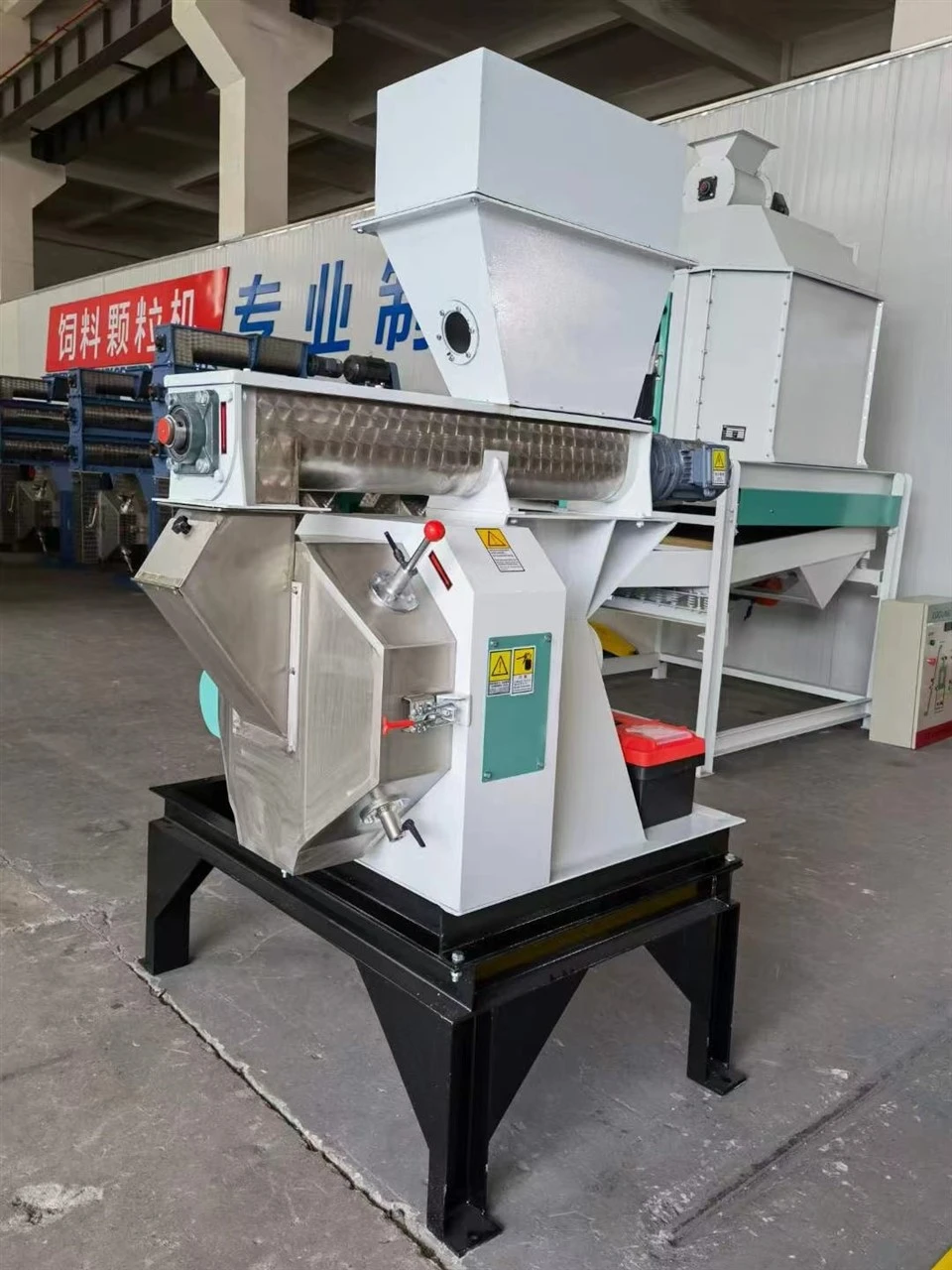
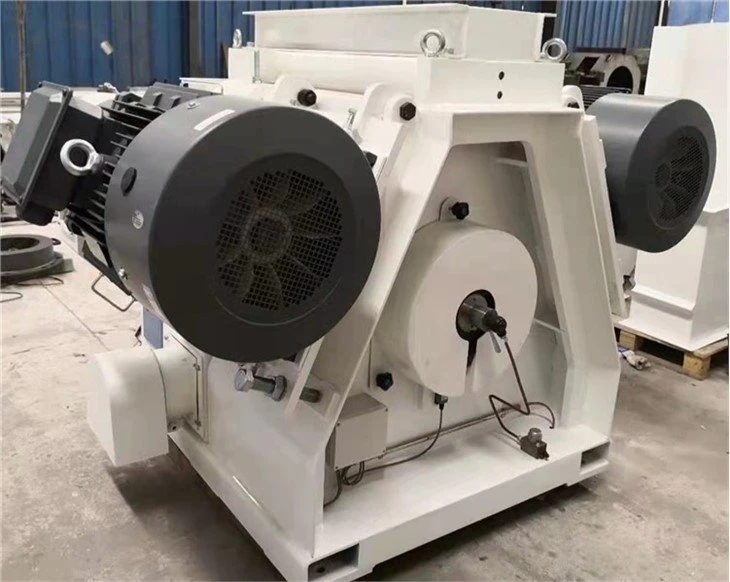
As a Feed Pellet Mill supplier, we offer a wide range of high - quality pellet mills to meet different needs. Whether you're looking for a Poultry Pellet Mill for your chicken farm or a Rabbit Pellet Making Machine for your bunny business, we've got you covered.
We also provide accessories like the Stainless Steel DDC Conditioner, which can enhance the quality of the feed pellets. Our products are designed to be durable and efficient, and with proper lubrication and maintenance, they can serve you well for a long time.
Contact Us for Purchase and Consultation
If you're in the market for a new feed pellet mill or need more advice on lubrication and maintenance, don't hesitate to reach out. We're here to help you make the right choice and ensure that your pellet mill operates at its best. Just send us an inquiry, and our team will be happy to assist you with all your questions and purchasing needs.
References
- Feed Pellet Mill Maintenance Manuals
- Lubricant Manufacturer's Guidelines
- Industry - wide Best Practices for Feed Pellet Production