

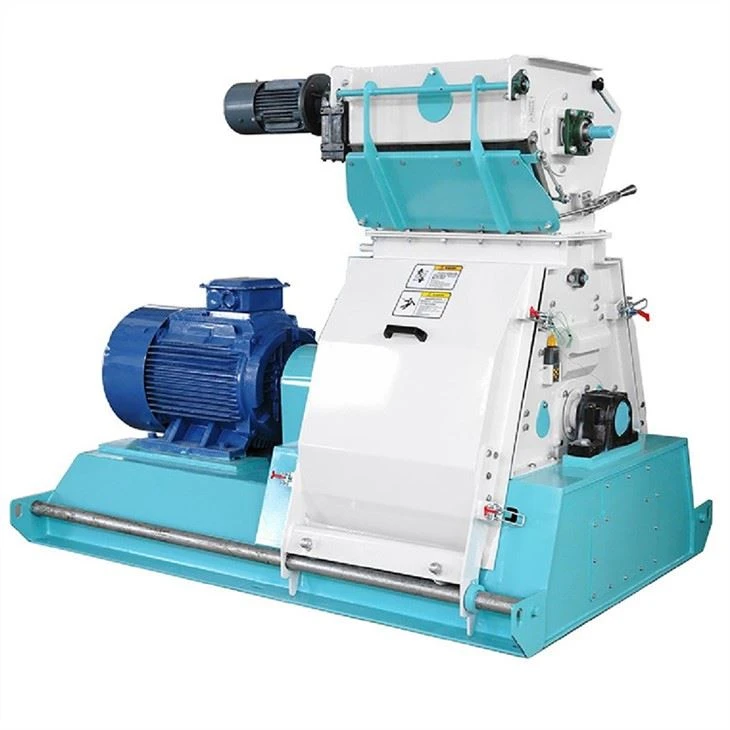
Hey there! As a supplier of Feed Hammer Mills, I often get asked this question: “How long does a Feed Hammer Mill last?” Well, it’s not a one - size - fits - all answer, and there are quite a few factors at play. Let's dig into it.
1. Quality of the Feed Hammer Mill
First off, the quality of the machine itself is a huge factor. When we're talking about high - end, well - built Feed Hammer Mills like our Fish Feed Hammer Mill, Animal Feed Crushing Machine, and Industrial Hammer Mill, they're designed with top - notch materials and precision engineering.
High - quality steel is used for the main body, which can withstand a lot of wear and tear. The hammers, which are the key components for crushing, are made from special alloy steels that resist abrasion. This means that a well - made Feed Hammer Mill can last a long time, potentially 10 to 15 years or even more if it's maintained properly.
On the other hand, cheaper models might use lower - grade materials and less precise manufacturing processes. These mills are more likely to break down sooner, maybe within 3 to 5 years. You get what you pay for, and in the long run, investing in a quality Feed Hammer Mill is usually a smart move.
2. Frequency of Use
How often you use the Feed Hammer Mill also has a big impact on its lifespan. If you're running the mill continuously for long hours every day in an industrial setting, like in a large - scale animal feed production plant, the wear and tear on the machine will be much greater compared to a small - scale farmer who only uses it a few hours a week to make feed for their livestock.
For heavy - duty, continuous use, you can expect the mill to need more frequent maintenance and parts replacement. Even with proper upkeep, the overall lifespan might be reduced to around 7 to 10 years. But for light - use scenarios, the same mill could last well over 15 years.
3. Maintenance and Care
Proper maintenance is crucial for extending the life of a Feed Hammer Mill. Regular cleaning is a must. After each use, you should clean out any leftover feed particles from the mill. These particles can accumulate over time and cause corrosion, especially in humid environments.
Lubrication is another important aspect. The moving parts, like the bearings and gears, need to be lubricated regularly to reduce friction and prevent premature wear. You should follow the manufacturer's guidelines on what type of lubricant to use and how often to apply it.
Inspection of the hammers and screens is also essential. The hammers will wear down over time, and when they do, they won't crush the feed as efficiently. You should check the hammers regularly and replace them when they're worn beyond a certain point. The screens can also get clogged or damaged, and they need to be cleaned or replaced as needed.
If you take good care of your Feed Hammer Mill and perform all the necessary maintenance tasks, you can significantly increase its lifespan. Neglecting maintenance, on the other hand, can lead to breakdowns and a much shorter lifespan, maybe as little as 2 to 3 years in extreme cases.
4. Type of Feed Being Processed
The type of feed you're processing in the Feed Hammer Mill can also affect its longevity. If you're processing hard and abrasive materials, like corn cobs or certain types of grains with high silica content, the hammers and screens will wear out more quickly. These materials put more stress on the machine, and you'll need to replace the parts more frequently.
On the other hand, if you're processing softer materials, like alfalfa or wheat bran, the wear and tear on the mill will be much less. So, depending on what you're making feed from, the lifespan of the mill can vary.
5. Operating Conditions
The environment in which the Feed Hammer Mill operates matters too. If the mill is located in a dusty or dirty area, the dust can get into the moving parts and cause problems. It can clog the air filters, increase friction, and lead to premature wear.
Temperature and humidity also play a role. High humidity can cause corrosion, especially if the mill isn't made from rust - resistant materials. Extreme temperatures, whether too hot or too cold, can also affect the performance and lifespan of the machine. For example, in very cold temperatures, the lubricants might thicken, making it harder for the moving parts to operate smoothly.
Tips to Maximize the Lifespan of Your Feed Hammer Mill
- Follow the Manual: Make sure you read and follow the manufacturer's operating and maintenance manual. It has all the important information you need to keep the mill running smoothly.
- Train Your Operators: If you have multiple people using the mill, make sure they're all properly trained. Improper operation can lead to unnecessary wear and tear.
- Keep Spare Parts on Hand: Have a stock of essential spare parts, like hammers and screens, so you can replace them quickly when needed. This will minimize downtime and prevent further damage to the mill.
Conclusion
So, to answer the question “How long does a Feed Hammer Mill last?”, it really depends on a variety of factors. A well - made, properly maintained Feed Hammer Mill can last anywhere from 10 to 15 years or more, while a poorly made or neglected one might only last a few years.
If you're in the market for a Feed Hammer Mill, we've got a great range of products to suit different needs. Our Fish Feed Hammer Mill, Animal Feed Crushing Machine, and Industrial Hammer Mill are all built with quality and durability in mind.
If you're interested in learning more about our Feed Hammer Mills or making a purchase, don't hesitate to reach out. We're always happy to help you find the right solution for your feed - processing needs. Let's get in touch and have a chat about how we can work together!

References
- Feed Milling Technology Handbook: Contains in - depth information on feed milling equipment and their maintenance.
- Journal of Agricultural Engineering: Has research articles on the durability and performance of different types of feed processing machinery.