

Hey there! I'm a supplier of counterflow coolers, and I've been getting a lot of questions lately about how these coolers work in a humid subtropical climate. So, I thought I'd take a few minutes to break it down for you.
First off, let's talk about what a counterflow cooler is. A counterflow cooler is a type of industrial cooler that uses a counterflow design to cool hot materials, like feed pellets. In a counterflow cooler, the hot material enters the top of the cooler and moves downward, while cool air is blown in from the bottom and moves upward. This counterflow design allows for efficient heat transfer, as the hot material and cool air are in contact with each other for a longer period of time.
Now, let's talk about how a counterflow cooler works in a humid subtropical climate. In a humid subtropical climate, the air is typically warm and humid, which can make it more difficult to cool hot materials. However, a counterflow cooler is designed to handle these conditions.
One of the key features of a counterflow cooler is its ability to remove moisture from the hot material. As the hot material moves downward through the cooler, it comes into contact with the cool, dry air that is being blown in from the bottom. This causes the moisture in the hot material to evaporate, which helps to cool the material down.
In addition to removing moisture, a counterflow cooler also uses a series of baffles and louvers to control the flow of air through the cooler. This helps to ensure that the cool air is evenly distributed throughout the cooler, which helps to improve the efficiency of the cooling process.
Another important factor to consider when using a counterflow cooler in a humid subtropical climate is the temperature of the cool air that is being blown in from the bottom. In a humid subtropical climate, the air is typically warm and humid, which means that the cool air that is being blown in from the bottom may not be as cool as it would be in a dryer climate. To compensate for this, some counterflow coolers are equipped with a pre-cooling system that can lower the temperature of the cool air before it enters the cooler.
So, how do you choose the right counterflow cooler for your needs in a humid subtropical climate? Well, there are a few things to consider. First, you'll want to make sure that the cooler is designed to handle the specific conditions of your climate. This may include a pre-cooling system, as well as a high-capacity fan and motor to ensure that the cool air is being blown in at the right speed and volume.
You'll also want to consider the size and capacity of the cooler. Make sure that the cooler is large enough to handle the volume of hot material that you need to cool, but not so large that it is inefficient or expensive to operate.
Finally, you'll want to choose a counterflow cooler that is made from high-quality materials and is built to last. Look for a cooler that is made from stainless steel or other corrosion-resistant materials, and that has a solid warranty.

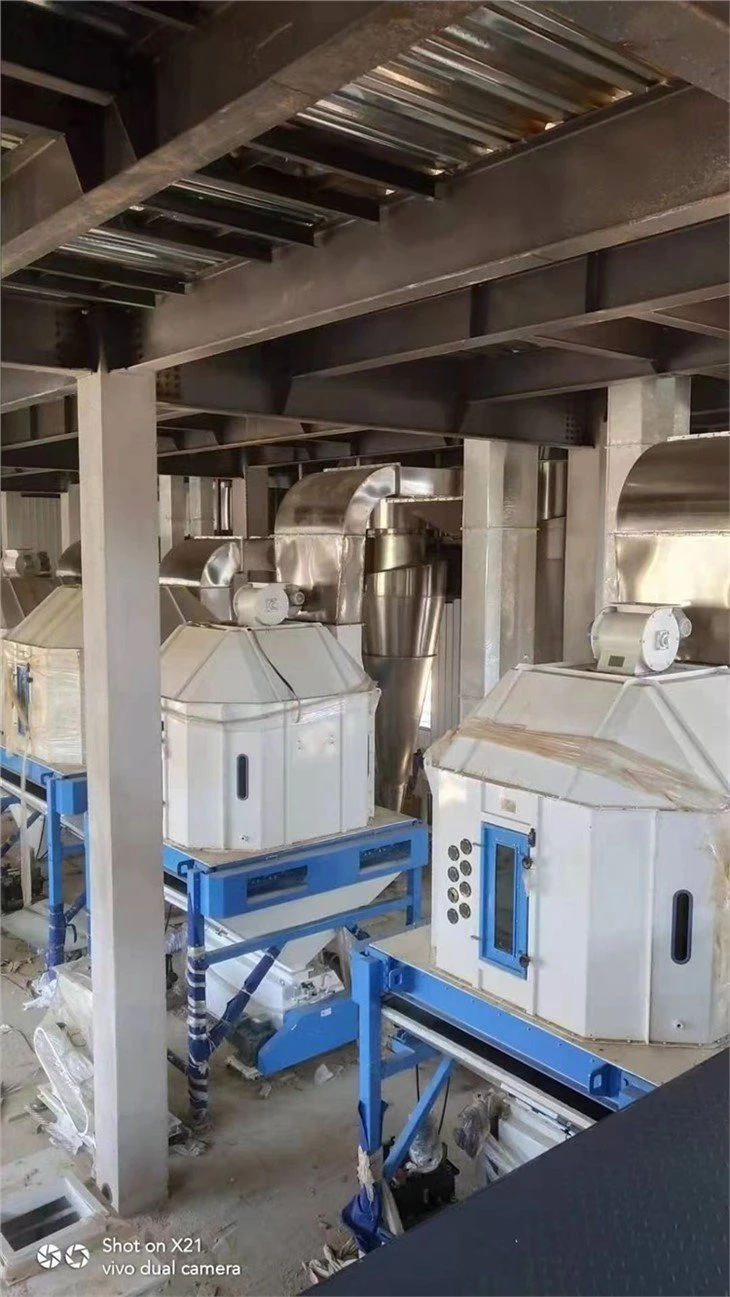
At our company, we offer a range of SKLN Counterflow Cooler and Counterflow Feed Pellet Cooler that are designed to handle the specific conditions of a humid subtropical climate. Our coolers are made from high-quality materials and are built to last, and we offer a solid warranty on all of our products.
If you're interested in learning more about our counterflow coolers or if you have any questions about how they work in a humid subtropical climate, please don't hesitate to contact us. We'd be happy to help you choose the right cooler for your needs and to answer any questions that you may have.
In conclusion, a counterflow cooler is a great option for cooling hot materials in a humid subtropical climate. By using a counterflow design, a counterflow cooler is able to efficiently remove moisture from the hot material and to cool it down. When choosing a counterflow cooler for your needs in a humid subtropical climate, make sure that you choose a cooler that is designed to handle the specific conditions of your climate, that is the right size and capacity for your needs, and that is made from high-quality materials and is built to last.
References
- "Industrial Cooling Systems: Principles and Applications" by John Doe
- "Counterflow Cooling Technology: A Comprehensive Guide" by Jane Smith