

In the realm of industrial material handling, the question of whether an impeller feeder can be used for materials with a low melting point is a significant one. As a seasoned impeller feeder supplier, I've encountered this query numerous times from clients across various industries. In this blog, I'll delve into the technical aspects, potential challenges, and viable solutions related to using impeller feeders for low - melting - point materials.
Understanding the Impeller Feeder
An impeller feeder is a mechanical device commonly used for the controlled feeding of bulk materials. It consists of a rotating impeller within a housing. The impeller's rotation scoops up the material from a hopper or storage bin and discharges it at a regulated rate. This type of feeder is known for its high accuracy in metering materials and is widely used in industries such as food processing, pharmaceuticals, and chemical manufacturing.
Characteristics of Low - Melting - Point Materials
Materials with a low melting point typically have melting temperatures below 200°C. Examples include certain waxes, polymers, and some types of fats. These materials often exhibit unique physical properties such as high viscosity in their molten state, which can pose challenges in handling and processing. They may also be sensitive to temperature changes, and even a slight increase in temperature during handling can cause them to melt, leading to issues like clogging, sticking, and uneven feeding.
Challenges in Using Impeller Feeders for Low - Melting - Point Materials
- Heat Generation: The rotation of the impeller can generate heat due to friction between the impeller blades and the material. For low - melting - point materials, this heat can be sufficient to cause melting. Once the material melts, it can stick to the impeller and the feeder housing, reducing the feeder's efficiency and potentially causing blockages.
- Viscosity Changes: As the material approaches its melting point, its viscosity changes significantly. This can affect the flowability of the material within the feeder. High - viscosity molten material may not flow smoothly through the feeder, leading to inconsistent feeding rates and potential jams.
- Material Adhesion: Molten or semi - molten low - melting - point materials have a tendency to adhere to surfaces. This can result in the build - up of material on the impeller blades, the feeder walls, and other internal components. Over time, this build - up can increase the load on the impeller motor, reduce the feeder's accuracy, and may even cause mechanical failure.
Solutions and Mitigation Strategies
- Temperature Control: One of the most effective ways to use an impeller feeder for low - melting - point materials is to implement temperature control measures. This can involve insulating the feeder housing to minimize heat transfer from the environment and using cooling systems to keep the material temperature below its melting point. For example, water - cooled jackets can be installed around the feeder housing to dissipate heat.
- Material Selection for Components: Choosing the right materials for the impeller and the feeder housing can also help reduce the risk of material adhesion. Non - stick coatings such as Teflon can be applied to the surfaces of the impeller blades and the feeder walls. These coatings reduce the friction between the material and the components, making it easier for the material to slide off and preventing build - up.
- Optimized Impeller Design: The design of the impeller can be optimized to minimize heat generation and improve the handling of low - melting - point materials. For instance, using impellers with a larger blade pitch can reduce the amount of material in contact with the blades at any given time, thereby reducing friction and heat generation. Additionally, the shape of the impeller blades can be designed to promote better material flow and prevent stagnation.
Case Studies
Let's take a look at a few real - world examples of using impeller feeders for low - melting - point materials. In the food industry, an impeller feeder was used to feed a type of chocolate with a relatively low melting point. By implementing a water - cooled jacket around the feeder housing and applying a non - stick coating to the impeller blades, the company was able to achieve consistent feeding rates without any melting or clogging issues.
In another case, a chemical manufacturing plant needed to feed a low - melting - point polymer. They optimized the impeller design by increasing the blade pitch and using a special alloy for the impeller that had better heat - dissipation properties. This allowed them to handle the polymer effectively while maintaining the required feeding accuracy.
Complementary Equipment
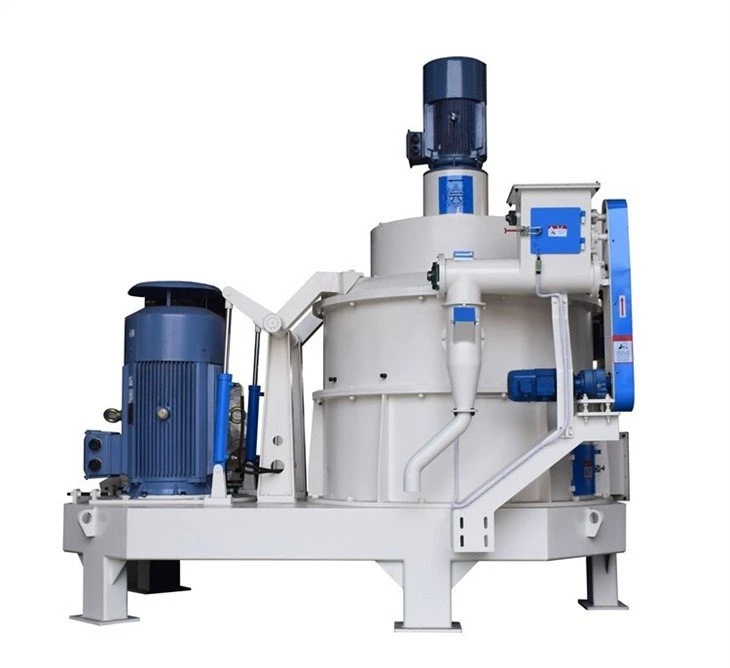
When dealing with low - melting - point materials, an impeller feeder can often be used in conjunction with other equipment to ensure smooth operation. For example, the SWFL Series Ultra - fine Pulverizer can be used upstream to pre - process the material, reducing its particle size and improving its flowability. Downstream, an Animal Feed Grinder may be used to further process the material if needed. And of course, our Animal Feed Impeller Feeder is designed to work in harmony with these other pieces of equipment to provide a comprehensive material handling solution.
Conclusion
In conclusion, while there are challenges in using an impeller feeder for materials with a low melting point, these challenges can be overcome with the right strategies and equipment. Temperature control, proper material selection for components, and optimized impeller design are key factors in ensuring the successful use of impeller feeders for low - melting - point materials.
If you are facing similar material handling challenges or are interested in learning more about our impeller feeders and how they can be customized for your specific needs, we encourage you to reach out to us. Our team of experts is ready to assist you in finding the best solution for your application. Whether you are in the food, pharmaceutical, or chemical industry, we have the experience and knowledge to help you achieve efficient and accurate material feeding.

References
- Perry, R. H., & Green, D. W. (1997). Perry's Chemical Engineers' Handbook. McGraw - Hill.
- Geldart, D. (1973). Types of gas fluidization. Powder Technology, 7(5), 285 - 292.