

As a seasoned supplier of horizontal mixers, I often encounter customers with unique and specific requirements. The question that frequently arises is, "Can a horizontal mixer be customized according to specific requirements?" The answer is a resounding yes. In this blog post, I'll delve into the details of how we, as a horizontal mixer supplier, can tailor our products to meet the diverse needs of our clients.
The Basics of Horizontal Mixers
Before we discuss customization, let's briefly understand what a horizontal mixer is. A horizontal mixer is a crucial piece of equipment used in various industries, including food processing, chemical manufacturing, and animal feed production. It consists of a horizontal trough or tube with an agitator inside. The agitator rotates and mixes the materials, ensuring a uniform blend.
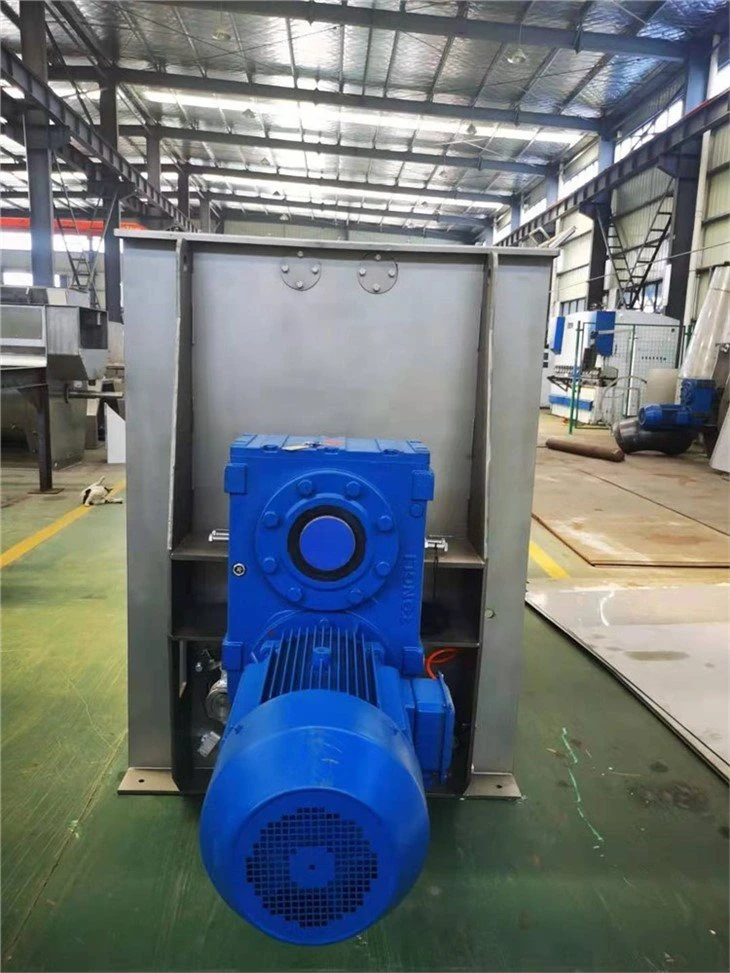
We offer a range of standard horizontal mixers, such as the SLHY Horizontal Mixer and the Horizontal Mixer. These mixers are designed to provide efficient and reliable mixing performance for common applications. However, we recognize that every customer's needs are different, and that's where customization comes in.
Why Customization is Necessary
There are several reasons why customers may require customized horizontal mixers. Firstly, different industries have specific requirements for the mixing process. For example, in the food industry, hygiene is of utmost importance. A customized mixer can be designed with materials and finishes that are easy to clean and comply with food safety regulations.
Secondly, the type of materials to be mixed can vary greatly. Some materials may be abrasive, while others may be sticky or have a high moisture content. A standard mixer may not be suitable for handling these special materials. Customization allows us to select the appropriate materials for the mixer's components, such as the agitator blades and the trough, to ensure long-term durability and efficient mixing.
Thirdly, the production capacity and mixing time requirements can also vary from one customer to another. Some customers may need a high-capacity mixer to meet their large-scale production needs, while others may require a mixer with a shorter mixing time to increase productivity. By customizing the mixer's size, power, and speed, we can optimize its performance to meet these specific requirements.
Customization Options
When it comes to customizing a horizontal mixer, we offer a wide range of options. Here are some of the key areas where we can make modifications:
1. Material Selection
As mentioned earlier, the choice of materials is crucial for the performance and durability of the mixer. We can select different materials for the trough, agitator, and other components based on the properties of the materials to be mixed. For example, if the materials are abrasive, we can use high-strength stainless steel or wear-resistant coatings to protect the mixer from damage.
2. Agitator Design
The agitator is the heart of the horizontal mixer, and its design can significantly affect the mixing efficiency. We can customize the shape, size, and configuration of the agitator blades to ensure optimal mixing performance for different materials. For example, for sticky materials, we can design the blades with a special shape to prevent material buildup and ensure thorough mixing.
3. Size and Capacity
We can customize the size and capacity of the mixer to meet the specific production requirements of our customers. Whether you need a small-scale mixer for a laboratory or a large-capacity mixer for industrial production, we can design and manufacture a mixer that suits your needs.
4. Control System
A modern horizontal mixer is often equipped with a control system to monitor and adjust the mixing process. We can customize the control system to include features such as variable speed control, temperature monitoring, and automatic dosing. This allows for more precise control of the mixing process and ensures consistent product quality.
5. Additional Features
In addition to the above options, we can also add other features to the mixer based on the customer's requirements. For example, we can install a dust collection system to improve the working environment, or a heating or cooling system to control the temperature of the materials during mixing.
Case Studies
To illustrate the benefits of customization, let's take a look at some real-world case studies.
Case Study 1: Food Industry
A food processing company approached us with a requirement for a horizontal mixer to mix a variety of dry ingredients, including flour, sugar, and spices. They needed a mixer that was easy to clean and could meet the strict hygiene standards of the food industry.
We customized a mixer with a stainless steel trough and agitator blades that were polished to a smooth finish. The mixer was also equipped with a quick-release mechanism for easy disassembly and cleaning. In addition, we installed a dust collection system to prevent the spread of dust during the mixing process. The customized mixer not only met the customer's hygiene requirements but also improved the efficiency of the mixing process.
Case Study 2: Chemical Industry
A chemical manufacturing company needed a horizontal mixer to mix a highly abrasive chemical compound. The standard mixer they were using was experiencing rapid wear and tear, which affected the quality of the mixed product.
We designed a customized mixer with a special wear-resistant coating on the trough and agitator blades. The coating significantly reduced the wear and tear caused by the abrasive material, extending the lifespan of the mixer. In addition, we optimized the agitator design to ensure thorough mixing of the chemical compound, resulting in a more consistent product quality.

Our Customization Process
At our company, we have a well-established customization process to ensure that we can deliver high-quality customized horizontal mixers to our customers. Here's how it works:
1. Consultation
We start by having a detailed consultation with the customer to understand their specific requirements. We ask questions about the type of materials to be mixed, the production capacity, the mixing time, and any other special requirements. This helps us to gain a clear understanding of the customer's needs and develop a customized solution.
2. Design and Engineering
Based on the information gathered during the consultation, our team of experienced engineers will design a customized mixer. We use advanced design software to create detailed 3D models of the mixer, which allows us to visualize the design and make any necessary adjustments before manufacturing.
3. Manufacturing and Assembly
Once the design is finalized, we start the manufacturing process. We use high-quality materials and state-of-the-art manufacturing equipment to ensure the precision and quality of the mixer's components. The components are then assembled and tested to ensure that the mixer meets the specified performance requirements.
4. Installation and Commissioning
After the mixer is manufactured and tested, our technicians will install it at the customer's site and provide training on its operation and maintenance. We also offer after-sales support to ensure that the mixer continues to perform optimally.
Conclusion
In conclusion, a horizontal mixer can indeed be customized according to specific requirements. As a supplier of horizontal mixers, we are committed to providing our customers with high-quality customized solutions that meet their unique needs. Whether you need a mixer for a specific industry, a special type of material, or a particular production capacity, we have the expertise and experience to design and manufacture a mixer that will exceed your expectations.
If you are interested in customizing a horizontal mixer or have any questions about our products and services, please feel free to contact us. We look forward to discussing your requirements and working with you to find the best mixing solution for your business.
References
- "Mixing Technology in the Food Industry" - Journal of Food Science and Technology
- "Industrial Mixing Equipment: Design and Applications" - Chemical Engineering Progress
- "Advances in Horizontal Mixer Design" - Journal of Manufacturing Technology