

Can a Feed Pellet Mill produce high - protein feed pellets?
Hey there, folks! I'm a supplier of Feed Pellet Mills, and today I wanna chat about whether a feed pellet mill can produce high - protein feed pellets. It's a question that comes up a lot, especially from farmers and livestock owners who are looking to give their animals the best nutrition possible.

First off, let's understand what high - protein feed pellets are. High - protein feed pellets are packed with proteins, which are essential for the growth, repair, and maintenance of animals' bodies. They help in building strong muscles, improving immunity, and enhancing overall health. Protein sources can come from various ingredients like soybean meal, fish meal, alfalfa, and even some animal by - products.
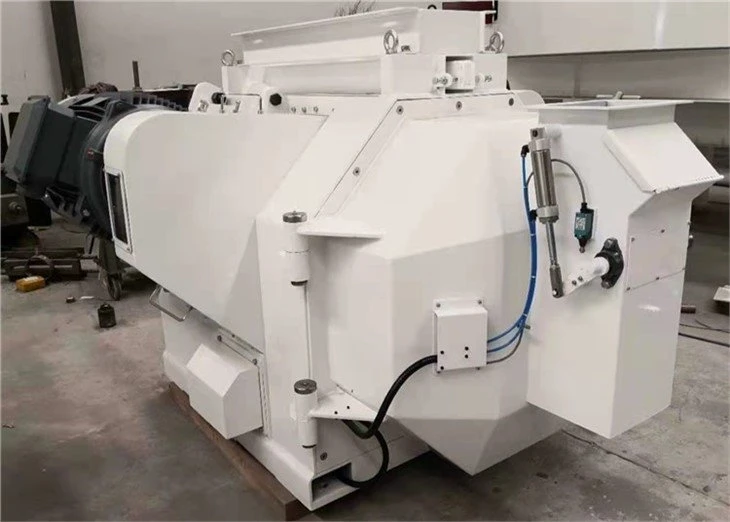
Now, the big question: Can a feed pellet mill make these high - protein wonders? The answer is a resounding yes! A good feed pellet mill is designed to take a variety of raw materials and turn them into uniform, high - quality pellets.
How does it work? Well, it all starts with the raw materials. You gather your high - protein ingredients, along with other necessary components like grains, vitamins, and minerals. These are then ground into a fine powder. The grinding process is crucial as it breaks down the ingredients into small particles, making them easier to mix and digest for the animals.
After grinding, the next step is mixing. The feed pellet mill has a mixing chamber where all the ingredients are thoroughly blended. This ensures that every pellet will have a consistent nutrient profile. You can adjust the ratio of different ingredients according to the specific nutritional needs of your animals. For example, if you're raising chickens, you might want a different protein - to - carbohydrate ratio compared to when you're raising pigs.
Once the ingredients are well - mixed, they are fed into the pelletizing chamber. Inside the chamber, there's a die and a roller. The die has small holes of a specific diameter, and the roller presses the mixture through these holes, forming long strands of feed. These strands are then cut into small pellets of the desired length.
The key to producing high - protein feed pellets lies in the quality of the feed pellet mill and the selection of raw materials. A high - end feed pellet mill, like the ones we supply, is built with precision and durability in mind. It can handle different types of raw materials and produce pellets with a high density and good hardness. This means that the pellets will hold their shape during storage and transportation, and they won't break easily.
Let's talk about some of the different types of feed pellet mills we offer. We have the Small Pellet Making Machine. This is perfect for small - scale farmers or those who are just starting out. It's easy to operate, takes up less space, and can still produce high - quality feed pellets.
If you're specifically looking to make chicken feed, our Chicken Feed Pellet Mill is a great choice. It's designed to meet the unique nutritional requirements of chickens, ensuring that the pellets are rich in the right amount of protein, vitamins, and minerals.
For those who need to do some research or small - batch production, we also have the Pellet Mill Lab - size. This allows you to test different recipes and raw materials before scaling up production.
However, producing high - protein feed pellets isn't without its challenges. One of the main issues is the cost of high - protein raw materials. Ingredients like fish meal and high - quality soybean meal can be quite expensive. But in the long run, the benefits of feeding your animals high - protein feed, such as better growth rates and improved health, often outweigh the initial cost.
Another challenge is maintaining the quality of the pellets. High - protein pellets are more prone to spoilage if not stored properly. They need to be kept in a dry, cool place to prevent mold growth and loss of nutrients.
In addition, you need to ensure that the feed pellet mill is properly maintained. Regular cleaning and lubrication of the machine parts are essential to keep it running smoothly and to produce consistent, high - quality pellets.
So, if you're thinking about getting into the business of producing high - protein feed pellets or you're just looking to upgrade your current feed production system, a good feed pellet mill is a must - have.
We've been in the feed pellet mill business for a long time, and we know what it takes to produce high - quality machines. Our team of experts is always ready to help you choose the right feed pellet mill for your needs, whether you're a small - scale farmer or a large - scale commercial operation.
If you're interested in learning more about our feed pellet mills or have any questions about producing high - protein feed pellets, don't hesitate to reach out. We'd love to have a chat with you and discuss how we can help you achieve your goals. You can start the conversation by contacting us, and we'll guide you through the whole process of choosing, using, and maintaining your feed pellet mill.
References
- "Feed Manufacturing Technology" by Feed Manufacturing Technology Association
- "Nutritional Requirements of Livestock" by National Research Council