

Can a drag conveyor be used for transporting powders?
As a supplier of drag conveyors, I often encounter inquiries from customers regarding the suitability of our equipment for transporting powders. This is a crucial question, as the efficient and safe handling of powders is a common requirement in many industries, including food processing, pharmaceuticals, chemicals, and mining. In this blog post, I will delve into the topic and provide a comprehensive answer to the question: Can a drag conveyor be used for transporting powders?
Understanding Drag Conveyors
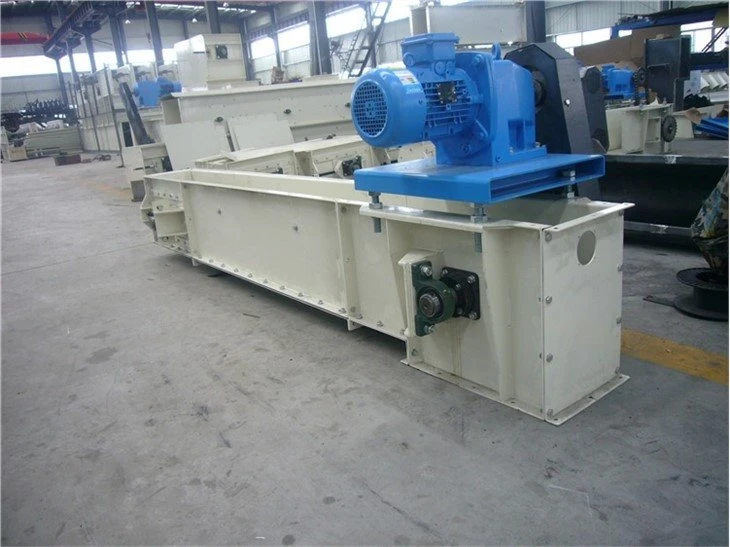
Before we discuss the applicability of drag conveyors for powder transportation, let's first understand what a drag conveyor is. A drag conveyor is a type of material handling equipment that uses a chain or belt with attached flights to move bulk materials along a trough or tube. The flights push the material forward, allowing for the continuous and controlled transport of various types of solids, including powders.
There are different types of drag conveyors, such as the TGSSP Series Level Drag Conveyor and the Drag Chain Conveyor. Each type has its own unique features and advantages, which make them suitable for different applications and material characteristics.
Advantages of Using Drag Conveyors for Powder Transportation
Drag conveyors offer several advantages when it comes to transporting powders:
1. Gentle Handling
Powders are often delicate materials that can be easily damaged or degraded during transportation. Drag conveyors provide a gentle handling method, as the flights move the powder along the trough without excessive agitation or impact. This helps to maintain the integrity of the powder particles and prevent issues such as dust generation, segregation, and breakage.
2. Dust Control
One of the main challenges in powder transportation is the control of dust. Drag conveyors can be designed with enclosed troughs or tubes, which effectively contain the powder and minimize dust emissions. This is particularly important in industries where dust can pose a health hazard or contaminate the surrounding environment.
3. Versatility
Drag conveyors can handle a wide range of powder materials, including fine powders, granular powders, and abrasive powders. They can also be used for transporting powders over long distances and at various angles, making them a versatile solution for different plant layouts and process requirements.
4. High Capacity
Drag conveyors are capable of transporting large volumes of powder at a relatively high speed. This makes them suitable for applications where a high throughput is required, such as in large-scale manufacturing or processing plants.
5. Low Maintenance
Compared to other types of conveyors, drag conveyors have a simple design and fewer moving parts. This results in lower maintenance requirements and reduced downtime, which can translate into significant cost savings for the end-user.
Factors to Consider When Using Drag Conveyors for Powder Transportation
While drag conveyors offer many advantages for powder transportation, there are also some factors that need to be considered to ensure optimal performance:
1. Powder Characteristics
The properties of the powder, such as particle size, shape, density, moisture content, and flowability, can have a significant impact on the performance of the drag conveyor. For example, powders with a high moisture content may be more prone to sticking to the trough or flights, while powders with a low flowability may require a special design or additional features to ensure smooth transportation.

2. Conveyor Design
The design of the drag conveyor, including the trough shape, flight configuration, chain or belt type, and drive system, needs to be carefully selected based on the specific requirements of the powder material and the application. For example, a U-shaped trough may be more suitable for powders with a low flowability, while a flat-bottom trough may be preferred for powders that require a high throughput.
3. Operating Conditions
The operating conditions, such as temperature, humidity, and pressure, can also affect the performance of the drag conveyor. For example, high temperatures may cause the powder to melt or become sticky, while high humidity may increase the moisture content of the powder and affect its flowability.
4. Cleaning and Maintenance
Regular cleaning and maintenance of the drag conveyor are essential to prevent the buildup of powder residue and ensure its long-term performance. This includes cleaning the trough, flights, chain or belt, and drive system, as well as inspecting and replacing any worn or damaged parts.
Case Studies
To illustrate the effectiveness of drag conveyors for powder transportation, let's take a look at some real-world case studies:
Case Study 1: Food Processing Industry
A food processing company was looking for a solution to transport a fine powder from a storage silo to a packaging machine. They chose a TGSSP Series Level Drag Conveyor due to its gentle handling and dust control capabilities. The conveyor was designed with an enclosed trough and a special flight configuration to ensure the smooth and efficient transportation of the powder. After installation, the company reported a significant improvement in the quality of their product and a reduction in dust emissions.
Case Study 2: Pharmaceutical Industry
A pharmaceutical company needed to transport a highly abrasive powder from a production line to a storage tank. They selected a Drag Chain Conveyor with a heavy-duty chain and wear-resistant flights to withstand the harsh operating conditions. The conveyor was also equipped with a dust collection system to minimize dust emissions. Since the installation of the conveyor, the company has experienced a reliable and efficient powder transportation process, with minimal maintenance requirements.
Conclusion
In conclusion, a drag conveyor can be an effective and reliable solution for transporting powders in various industries. Its gentle handling, dust control, versatility, high capacity, and low maintenance make it a popular choice for many applications. However, it is important to consider the specific characteristics of the powder material and the operating conditions when selecting a drag conveyor, and to ensure proper design, installation, and maintenance to achieve optimal performance.
If you are interested in learning more about our drag conveyors or have any questions regarding powder transportation, please feel free to contact us. Our team of experts will be happy to assist you in finding the best solution for your specific needs.
References
- "Bulk Material Handling: An Introduction" by George E. Klinzing, et al.
- "Conveyor Equipment Manufacturers Association (CEMA) Handbook"