

Hey there! As a supplier of drag conveyors, I often get asked if our equipment can handle low - density materials. Well, let's dive right into this topic and find out together.
What Are Low - Density Materials?
First off, we need to understand what low - density materials are. These are substances that have a relatively low mass per unit volume. Examples include sawdust, fluff pulp, expanded polystyrene beads, and some types of agricultural products like rice hulls. These materials are light, often fluffy or granular, and can be a bit tricky to transport due to their nature.
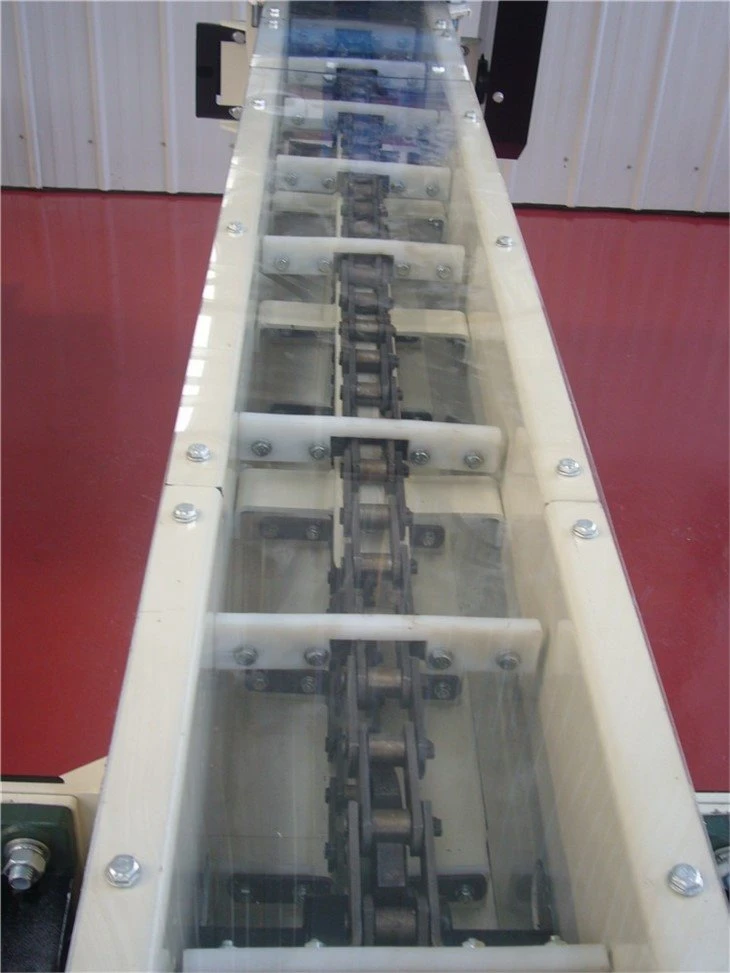
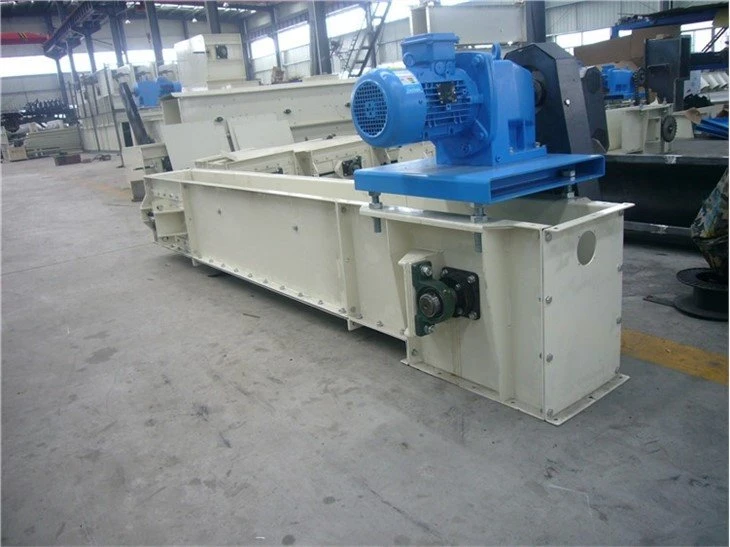
How Drag Conveyors Work
Before we discuss whether drag conveyors can handle low - density materials, let's quickly go over how drag conveyors work. A drag conveyor typically consists of a chain or belt with attached flights or paddles that move through a trough. As the chain or belt moves, the flights push the material along the trough from one end to the other.
There are different types of drag conveyors, such as the Drag Chain Conveyor. This type uses a chain with flights to move materials. Another type is the TGSSP Series Level Drag Conveyor, which is designed for level or slightly inclined transportation of various materials.
Challenges of Transporting Low - Density Materials
Low - density materials present several challenges when it comes to transportation. One of the main issues is their tendency to float or become airborne. Because they are so light, even a small amount of air movement can cause them to disperse. This can lead to material loss, environmental pollution, and potential safety hazards.
Another challenge is that low - density materials can be compressible. When pushed by the flights of a conveyor, they may compress unevenly, causing blockages or inconsistent flow. This can result in reduced efficiency and increased wear and tear on the conveyor components.
Can Drag Conveyors Be Used?
The answer is yes, drag conveyors can be used for transporting low - density materials, but some modifications and considerations are necessary.
Design Modifications
- Enclosed Troughs: To prevent the low - density materials from becoming airborne, an enclosed trough is essential. This keeps the material contained within the conveyor and reduces the risk of dispersion.
- Proper Flight Design: The design of the flights is crucial. For low - density materials, flights with a larger surface area or a special shape can be used to ensure better contact and more efficient pushing of the material.
- Speed Control: Adjusting the speed of the conveyor is important. A slower speed can help prevent the material from being pushed too forcefully and causing blockages or dispersion.
Material - Specific Considerations
- Bulk Density: Understanding the bulk density of the low - density material is key. Different materials have different bulk densities, and the conveyor needs to be designed accordingly. For example, a material with a very low bulk density may require a larger trough or more powerful drive system.
- Flowability: Some low - density materials may have poor flowability. In such cases, additional features like vibrators or air injection systems can be added to the conveyor to improve the material's flow.
Success Stories
We've had many customers who have successfully used our drag conveyors to transport low - density materials. For instance, a woodworking company was struggling to transport sawdust from their production area to a storage facility. They tried using other types of conveyors, but the sawdust kept getting airborne and causing a mess. After installing our Drag Chain Conveyor with an enclosed trough and specially designed flights, they were able to transport the sawdust efficiently and without any issues.
Another customer in the packaging industry needed to move expanded polystyrene beads. Our TGSSP Series Level Drag Conveyor with speed control and proper flight design was the perfect solution. It ensured a consistent flow of the beads without any blockages or dispersion.
Conclusion
In conclusion, drag conveyors can be a great option for transporting low - density materials, but it's important to take into account the specific characteristics of the material and make the necessary design modifications. As a drag conveyor supplier, we have the expertise and experience to customize our conveyors to meet your specific needs.
If you're dealing with low - density materials and are looking for a reliable conveyor solution, don't hesitate to reach out to us. We'd be more than happy to discuss your requirements and help you find the best drag conveyor for your application. Let's work together to solve your material transportation challenges!
References
- Conveyor Equipment Manufacturers Association (CEMA) Handbook on Conveyor Design
- "Bulk Solids Handling and Conveying" by Michael A. Wypych