

Hey there! As a supplier of drag conveyors, I often get asked if these nifty machines can handle irregular - shaped materials. Well, let's dive right into it and find out.
First off, what exactly is a drag conveyor? In simple terms, it's a type of conveyor system that uses a chain or cable to drag a series of flights or paddles through a trough. These flights push the material along the trough from one point to another. There are different types, like the TGSSP Series Level Drag Conveyor and the Drag Chain Conveyor, each designed to suit various applications.

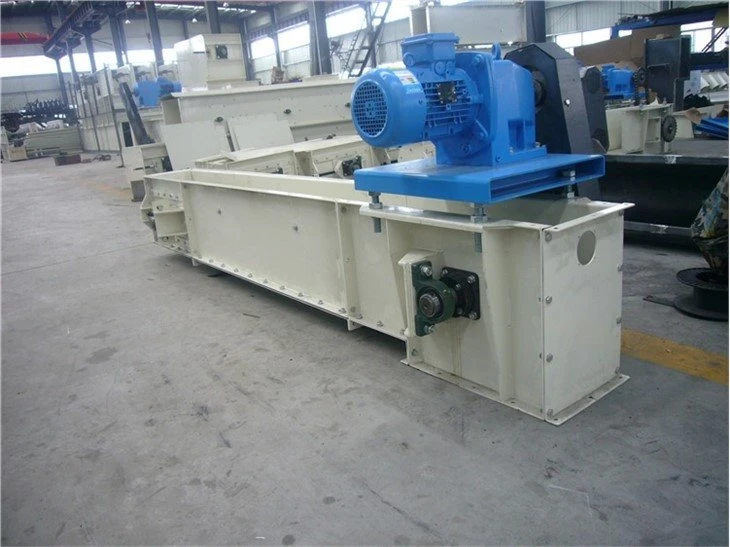
Now, back to the big question: Can a drag conveyor be used for transporting irregular - shaped materials? The short answer is yes, but there are a few things to consider.
Advantages of Using Drag Conveyors for Irregular - Shaped Materials
One of the main advantages is the enclosed trough design. Irregular - shaped materials can be a bit of a handful to transport, especially if they tend to spill or scatter. The enclosed trough of a drag conveyor keeps the materials contained, reducing the mess and making the whole operation a lot cleaner.
Drag conveyors are also pretty versatile when it comes to the orientation of the materials. Unlike some other conveyor systems that might require the materials to be aligned in a certain way, drag conveyors can handle materials that are all jumbled up. The flights simply push the materials forward, regardless of how they're positioned.
Another plus is the ability to handle a wide range of material sizes. Whether you're dealing with small, oddly - shaped pieces or larger chunks, a properly sized drag conveyor can usually manage. The chain and flight system can work around the irregularities and keep the material moving.
Challenges and Considerations
Of course, it's not all sunshine and rainbows. There are some challenges that come with using drag conveyors for irregular - shaped materials.
One major issue is the potential for jamming. Irregular shapes can get stuck between the flights or in the corners of the trough. This can cause the conveyor to stop working, leading to downtime and maintenance headaches. To minimize this risk, it's important to choose the right flight design and spacing. For example, wider flights might be better for larger, more irregular materials, as they can provide more surface area to push against.
The wear and tear on the conveyor components can also be a concern. Irregular - shaped materials can be abrasive, especially if they have sharp edges. This can cause the chain, flights, and trough to wear out faster, increasing the need for replacements and maintenance. Using high - quality, wear - resistant materials can help mitigate this problem, but it's still something to keep in mind.
The flow rate of the materials can also be affected. Irregular shapes might not flow as smoothly as regular ones, which can slow down the overall conveyor speed. This means you might need to adjust the conveyor's operating parameters, such as the chain speed, to ensure a consistent flow.
Design and Customization
To make a drag conveyor work well with irregular - shaped materials, design and customization are key.
When it comes to the trough design, a smooth interior finish can help reduce friction and make it easier for the materials to slide. Some drag conveyors also have adjustable trough walls, which can be useful for accommodating different material sizes and shapes.
The flight design is another crucial aspect. There are different types of flights, such as flat flights, paddle flights, and cleated flights. For irregular - shaped materials, cleated flights might be a good choice, as they can grip the materials better and prevent them from slipping back.
Customization also extends to the chain and drive system. A more powerful drive might be needed to handle the additional resistance caused by the irregular materials. And the chain should be strong enough to withstand the forces exerted by the materials without breaking.
Case Studies
Let's take a look at a couple of real - world examples to see how drag conveyors have been used for transporting irregular - shaped materials.
In a recycling plant, they were dealing with all sorts of scrap metal pieces, each with its own unique shape. They installed a Drag Chain Conveyor with cleated flights and a smooth - walled trough. The conveyor was able to handle the irregular metal pieces without much jamming, and the enclosed trough kept the metal dust from spreading. This improved the overall efficiency of the recycling process and reduced the amount of cleanup required.
Another example is a woodworking factory. They had to transport irregularly - shaped wood chips and off - cuts. By using a TGSSP Series Level Drag Conveyor with adjustable trough walls and a heavy - duty chain, they were able to keep the wood materials moving steadily. The conveyor was able to handle the different sizes and shapes of the wood, and the enclosed design prevented the wood chips from flying everywhere.
Conclusion
So, can a drag conveyor be used for transporting irregular - shaped materials? Absolutely! But it's not as simple as just installing any old conveyor. You need to take into account the specific characteristics of the materials, choose the right design and components, and be prepared to deal with the challenges that come with it.
If you're in the market for a drag conveyor to handle irregular - shaped materials, we're here to help. We've got a wide range of drag conveyors, including the TGSSP Series Level Drag Conveyor and the Drag Chain Conveyor, and our team of experts can work with you to customize a solution that fits your needs.
Whether you're in the recycling industry, woodworking, or any other field that requires the transportation of irregular - shaped materials, we're just a step away. Reach out to us to start a conversation about your project and let's find the perfect drag conveyor for you.
References
- "Conveyor Handbook" by Conveyor Manufacturers Association
- Various industry case studies and reports on drag conveyor applications.