

As a supplier of drag conveyors, I've been asked countless times whether our equipment can handle heavy - duty materials. This is a crucial question for industries dealing with large - scale, high - density materials, such as mining, construction, and heavy manufacturing. In this blog, I'll delve into the capabilities of drag conveyors in transporting heavy - duty materials, exploring their design, functionality, and real - world applications.
Understanding Drag Conveyors
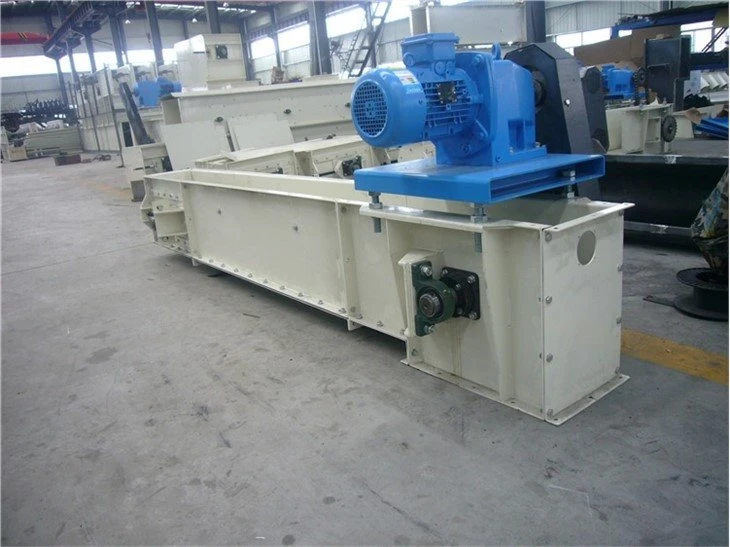
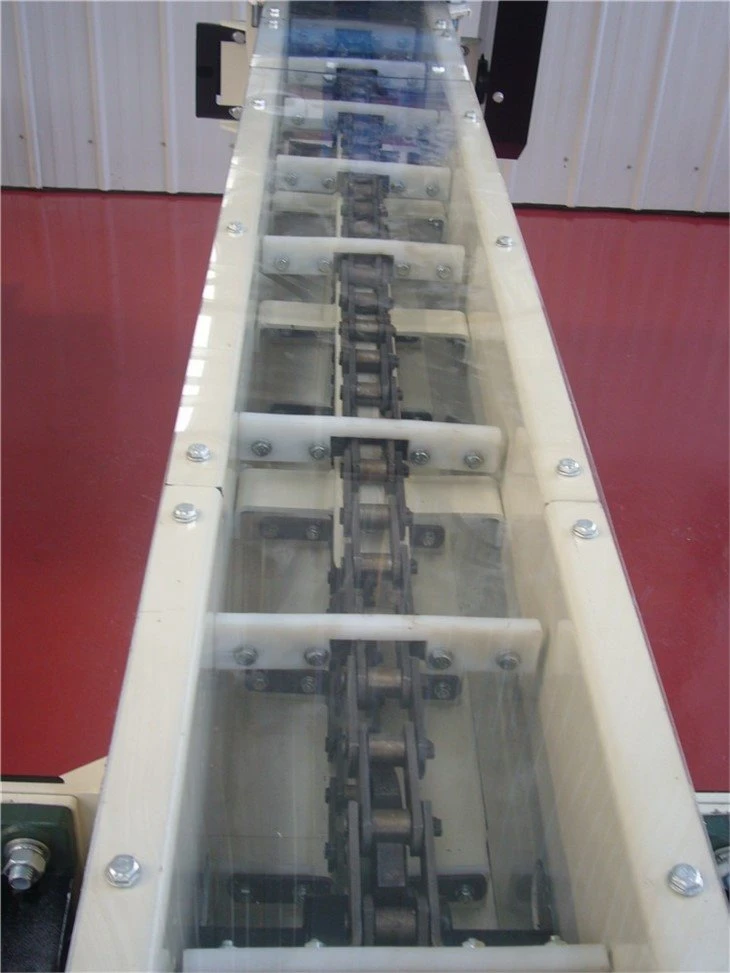
Drag conveyors are a type of mechanical conveyor that use a chain or cable to move a series of flights or paddles through a trough. The flights push the material along the trough, allowing for the efficient movement of bulk materials. They come in various configurations, including horizontal, inclined, and vertical setups, to meet different industrial needs.
Design Features
One of the key design features of drag conveyors is their robust construction. The chains, flights, and troughs are typically made from high - strength materials such as steel. For example, the chains are engineered to withstand high tensile forces, and the flights are designed to be durable enough to push heavy materials without breaking or deforming. This solid construction provides the foundation for handling heavy - duty materials.
Another important aspect is the trough design. Drag conveyors can have enclosed troughs, which are beneficial for containing dust and preventing spillage of heavy materials. Enclosed troughs also protect the internal components from external elements, ensuring the longevity of the conveyor.
Functionality
The operation of a drag conveyor is relatively simple yet effective. The chain or cable is driven by a motor, which moves the flights through the trough. As the flights push the material, the friction between the material and the trough walls helps in its forward movement. This mechanism allows for a continuous and controlled flow of heavy - duty materials.
Advantages of Using Drag Conveyors for Heavy - Duty Materials
High Capacity
Drag conveyors are capable of handling large volumes of heavy - duty materials. Their design allows for a high - throughput rate, making them suitable for industries that require the rapid movement of bulk materials. For instance, in a mining operation, a drag conveyor can transport tons of ore per hour from the extraction site to the processing area.
Versatility
These conveyors can handle a wide range of heavy - duty materials, including rocks, gravel, coal, and metal ores. They can operate in various environmental conditions, from harsh outdoor settings to indoor industrial facilities. Whether it's transporting hot materials from a furnace or cold, wet materials from a quarry, drag conveyors can adapt.
Energy Efficiency
Compared to some other types of conveyors, drag conveyors are relatively energy - efficient. Their simple design and direct - drive mechanism require less power to operate, which can result in cost savings for industries over the long term.
Low Maintenance
The robust construction of drag conveyors means they have fewer moving parts that are prone to wear and tear. This leads to lower maintenance requirements and reduced downtime. Regular inspections and basic maintenance tasks, such as chain lubrication and flight replacement when necessary, are usually sufficient to keep the conveyor in good working condition.
Real - World Applications
Mining Industry
In the mining industry, drag conveyors are extensively used for transporting heavy - duty materials. They are used to move ore from the mine face to the surface, as well as within the processing plants. For example, a Drag Chain Conveyor can efficiently transport large chunks of coal from the underground mines to the loading areas. The enclosed troughs prevent coal dust from escaping, which is not only important for environmental reasons but also for the safety of the workers.
Construction Industry
Construction sites often deal with heavy materials like gravel, sand, and cement. Drag conveyors can be used to transport these materials from storage areas to the mixing plants or directly to the construction areas. Their ability to handle different types of heavy aggregates makes them a valuable asset on construction sites.
Manufacturing Industry
In heavy manufacturing, such as steel production, drag conveyors are used to transport hot and heavy metal parts. For example, they can move steel billets from the rolling mill to the cooling area. The high - temperature resistance of the conveyor components ensures that they can handle the extreme conditions associated with metal manufacturing.
Limitations and Considerations
While drag conveyors have many advantages for transporting heavy - duty materials, there are also some limitations and considerations.
Material Abrasiveness
Some heavy - duty materials can be highly abrasive, which can cause wear on the conveyor components. For example, sharp - edged rocks can quickly wear down the flights and chains. To mitigate this, special wear - resistant materials can be used for the critical components.
Inclined Transport
When using drag conveyors for inclined transport of heavy materials, the angle of inclination is a crucial factor. Steeper inclines may require additional power and may also increase the risk of material slippage. Careful design and engineering are needed to ensure the safe and efficient operation of the conveyor at inclined angles.
Initial Investment
The initial cost of purchasing and installing a drag conveyor can be relatively high, especially for large - scale systems. However, when considering the long - term benefits, such as high capacity, low maintenance, and energy efficiency, the return on investment can be significant.
Our Product Offerings
As a drag conveyor supplier, we offer a range of products designed specifically for transporting heavy - duty materials. Our TGSSP Series Level Drag Conveyor is a prime example. It features a heavy - duty chain and flight system, along with a rugged trough design, making it suitable for handling large volumes of heavy materials.
Our Drag Chain Conveyor is another popular choice. It is available in different configurations and can be customized to meet the specific requirements of your industry. Whether you need a horizontal, inclined, or vertical conveyor, we can provide a solution that fits your needs.
Conclusion
In conclusion, drag conveyors can indeed be used for transporting heavy - duty materials. Their robust design, high capacity, versatility, and energy efficiency make them a viable option for various industries. While there are some limitations and considerations, with proper design and maintenance, drag conveyors can provide reliable and efficient material handling solutions.
If you are in an industry that deals with heavy - duty materials and are looking for a reliable conveyor system, we would be delighted to discuss your requirements. Our team of experts can help you choose the right drag conveyor for your application and provide you with a customized solution. Contact us to start the conversation and explore how our drag conveyors can enhance your material handling processes.
References
- ASME B29.1 - 2011, “Roller Chains, Attachments, and Sprockets”
- CEMA (Conveyor Equipment Manufacturers Association) Handbook, 6th Edition
- ISO 15531 - 1:2015, “Industrial automation systems and integration — Industrial data exchange — Part 1: Overview and fundamental principles”