

As a supplier of counterflow coolers, I often receive inquiries from customers about the applicability of our products in outdoor environments. This is a crucial question, as the outdoor setting presents unique challenges and requirements that must be considered. In this blog post, I will delve into the topic of whether a counterflow cooler can be used in outdoor environments, exploring the factors at play and providing insights based on our experience in the industry.
Understanding Counterflow Coolers
Before we discuss the outdoor use of counterflow coolers, it's essential to understand how they work. Counterflow coolers are designed to cool hot feed pellets or other granular materials efficiently. They operate on the principle of counterflow heat exchange, where the hot product moves downward through the cooler while a stream of cool air is forced upward. This counterflow arrangement maximizes the contact between the hot product and the cool air, resulting in effective cooling.
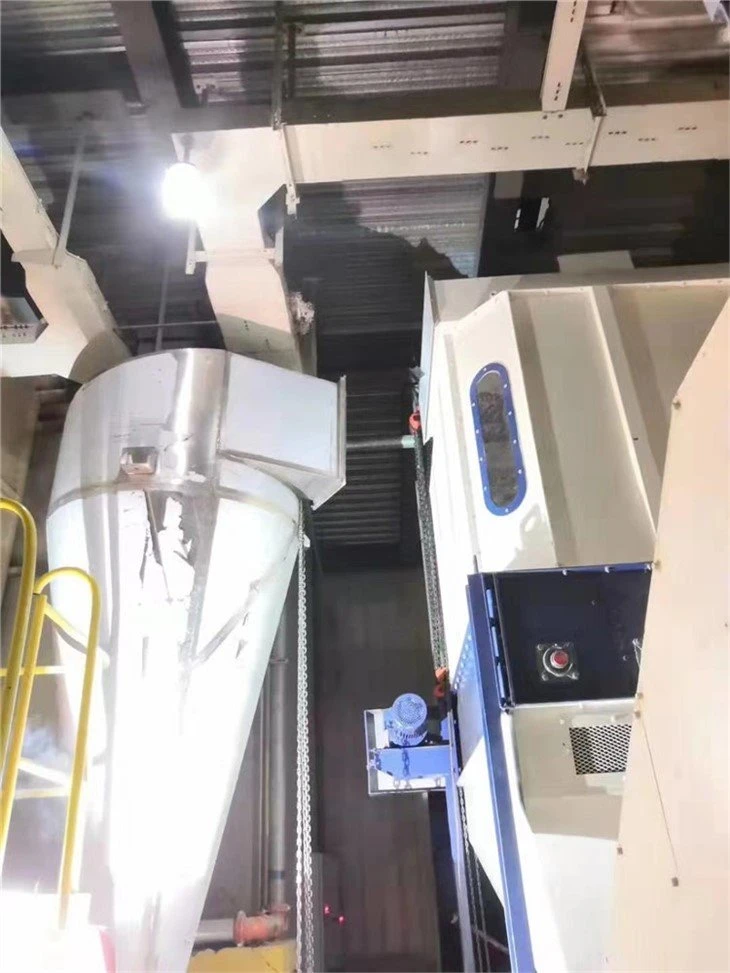
The SKLN Counterflow Cooler and Counterflow Feed Pellet Cooler are two of our flagship products in this category. They are known for their high efficiency, reliable performance, and robust construction, making them suitable for a wide range of applications.
Factors to Consider for Outdoor Use
When considering the use of a counterflow cooler in an outdoor environment, several factors need to be taken into account. These factors can significantly impact the performance and longevity of the cooler, as well as the quality of the cooled product.
Weather Conditions
One of the primary challenges of using a counterflow cooler outdoors is dealing with the weather. Extreme temperatures, humidity, rain, snow, and wind can all affect the cooler's operation. For example, in hot and humid conditions, the cooling efficiency may be reduced as the air's ability to absorb moisture is limited. On the other hand, in cold weather, the cooler may require additional insulation to prevent freezing of the product or the cooling system.
Rain and snow can also pose a threat to the cooler's components, especially if they are not properly protected. Water ingress can damage electrical components, corrode metal parts, and cause blockages in the air ducts. To mitigate these risks, it is essential to choose a cooler with a weatherproof design and ensure that it is installed on a raised platform or sheltered area to prevent water accumulation.
Air Quality
The quality of the outdoor air can also have a significant impact on the cooler's performance. Dust, dirt, pollen, and other airborne particles can clog the air filters and reduce the airflow, leading to decreased cooling efficiency. In addition, pollutants such as sulfur dioxide, nitrogen oxides, and particulate matter can corrode the cooler's components and affect the quality of the cooled product.
To address these issues, it is important to install high-quality air filters on the cooler and regularly clean or replace them. Additionally, the cooler should be located away from sources of pollution, such as industrial areas, busy roads, or agricultural fields.
Space and Accessibility
Outdoor environments often have limited space, which can make it challenging to install and operate a counterflow cooler. The cooler requires sufficient space for installation, maintenance, and access to the product inlet and outlet. It is also important to ensure that there is adequate clearance around the cooler for proper ventilation and airflow.
In addition, the cooler should be easily accessible for maintenance and repairs. This includes having easy access to the air filters, fans, motors, and other components. A well-designed cooler should have removable panels and access doors that allow for quick and easy inspection and maintenance.
Security
When installing a counterflow cooler outdoors, security is also a concern. The cooler and its components are valuable assets that need to be protected from theft, vandalism, and unauthorized access. It is important to choose a secure location for the cooler and install appropriate security measures, such as fences, gates, and surveillance cameras.
Benefits of Using a Counterflow Cooler Outdoors
Despite the challenges, there are also several benefits to using a counterflow cooler in an outdoor environment.
Cost Savings
One of the primary benefits of using a counterflow cooler outdoors is cost savings. Outdoor installation eliminates the need for a dedicated indoor space, which can be expensive to build and maintain. In addition, outdoor coolers can take advantage of natural ventilation and ambient air temperatures, reducing the energy consumption and operating costs.

Flexibility
Outdoor installation also provides greater flexibility in terms of location and layout. The cooler can be placed closer to the source of the hot product, reducing the need for long conveyor belts or other transfer systems. This can improve the overall efficiency of the production process and reduce the risk of product damage or contamination.
Improved Product Quality
Using a counterflow cooler outdoors can also improve the quality of the cooled product. The outdoor environment provides a more natural and consistent cooling process, which can result in better product texture, color, and flavor. In addition, the cooler can be designed to operate at a lower temperature, which can help to preserve the nutritional value of the product.
Conclusion
In conclusion, a counterflow cooler can be used in outdoor environments, but it requires careful consideration of several factors. Weather conditions, air quality, space and accessibility, and security are all important considerations that need to be addressed to ensure the optimal performance and longevity of the cooler.
At our company, we have extensive experience in providing counterflow coolers for outdoor applications. Our SKLN Counterflow Cooler and Counterflow Feed Pellet Cooler are designed to meet the unique challenges of outdoor use, with features such as weatherproof construction, high-quality air filters, and easy access for maintenance.
If you are considering using a counterflow cooler in an outdoor environment, we encourage you to contact us to discuss your specific requirements. Our team of experts can provide you with detailed information and guidance on the best solution for your needs. We look forward to working with you to find the perfect counterflow cooler for your outdoor application.
References
- [Title of a relevant industry report], [Author], [Publication year]
- [Title of a technical paper], [Author], [Publication year]
- [Title of a manufacturer's manual], [Manufacturer], [Publication year]