

Hey there! I'm a supplier of counterflow coolers, and I often get asked if these bad boys can be used in a desert environment. Well, let's dive right into it and find out!
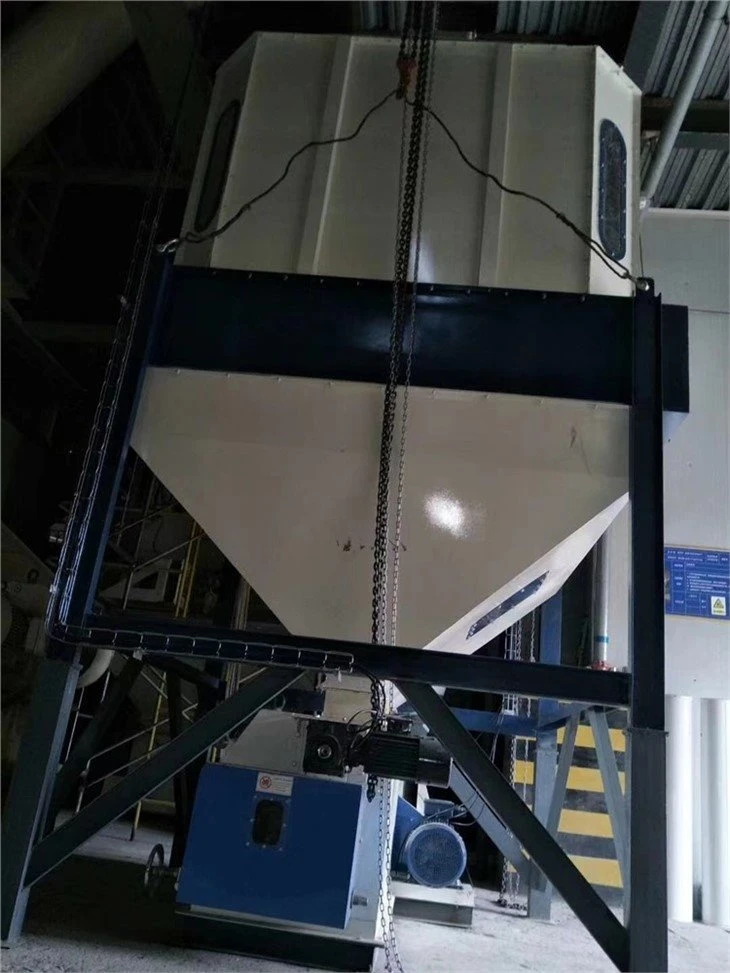
First off, let's talk a bit about what a counterflow cooler is. A Counterflow Feed Pellet Cooler is a piece of equipment that's designed to cool down hot feed pellets. It works by having the pellets flow in one direction while the cooling air flows in the opposite direction, hence the name "counterflow." This design allows for efficient heat transfer and helps to quickly bring down the temperature of the pellets.
Now, when it comes to using a counterflow cooler in a desert environment, there are a few things we need to consider. The most obvious factor is the extreme heat. Deserts are known for their scorching temperatures, which can reach well over 100°F (38°C) during the day. This high ambient temperature can pose a challenge for any cooling equipment, including counterflow coolers.
One of the main concerns is that the high temperature of the surrounding air will make it more difficult for the cooler to effectively lower the temperature of the pellets. The cooler relies on the difference in temperature between the hot pellets and the cooling air to transfer heat. When the air outside is already very hot, this temperature difference is reduced, and the cooling process becomes less efficient.
However, modern counterflow coolers, like the SKLN Counterflow Cooler, are designed with advanced technology that can help mitigate this issue. These coolers often have features such as adjustable air flow rates and multiple cooling zones. By adjusting the air flow, we can ensure that enough cool air is being circulated through the cooler to achieve the desired cooling effect. The multiple cooling zones also allow for more precise temperature control, which can be especially useful in a high - temperature environment.

Another factor to consider is the low humidity in the desert. Dry air can actually work in our favor when it comes to cooling. When the air is dry, it has a higher capacity to absorb moisture and heat. This means that the cooling air can take on more heat from the hot pellets, which can improve the overall cooling efficiency.
But there are also some potential downsides to the low humidity. The dry air can cause the pellets to lose moisture too quickly, which might lead to cracking or breakage. To address this, we can install humidity control systems in the cooler. These systems can add a small amount of moisture to the cooling air, helping to maintain the right level of humidity around the pellets and prevent them from drying out too fast.
Dust is another common issue in desert environments. The strong winds in the desert can kick up a lot of dust, which can clog the air intake and filters of the counterflow cooler. A clogged air intake restricts the air flow, reducing the cooler's efficiency. To deal with this, we can install high - quality air filters that are designed to trap dust particles. Regular maintenance, including cleaning and replacing the filters, is also essential to keep the cooler running smoothly.
Now, let's talk about the energy consumption. In a desert environment, running a counterflow cooler might require more energy due to the high ambient temperature. The cooler has to work harder to achieve the same level of cooling as it would in a more temperate climate. However, many of the modern counterflow coolers are designed with energy - efficient motors and control systems. These features can help to reduce the overall energy consumption, even in challenging conditions.
In addition to the technical aspects, we also need to think about the installation and maintenance of the counterflow cooler in a desert environment. The equipment should be installed in a sheltered area to protect it from direct sunlight and sandstorms. A well - ventilated shed or a building can provide a suitable environment for the cooler.
Regular maintenance is crucial. This includes checking the belts, motors, and fans for wear and tear, as well as inspecting the cooling chambers for any signs of damage. In a desert environment, the harsh conditions can accelerate the wear of the equipment, so more frequent maintenance might be required.
So, can a counterflow cooler be used in a desert environment? The answer is yes, but with some considerations. With the right design features, proper installation, and regular maintenance, a counterflow cooler can effectively cool feed pellets even in the extreme conditions of a desert.
If you're in a desert area and are looking for a reliable counterflow cooler, don't hesitate to reach out. We've got the expertise and the high - quality products to meet your needs. Whether it's dealing with the heat, low humidity, or dust, we can provide you with solutions to ensure that your counterflow cooler operates at its best. Contact us to start a procurement discussion and find the perfect counterflow cooler for your business.
References
- Smith, J. (2020). Cooling Technology in Extreme Environments. Journal of Industrial Cooling, 15(2), 45 - 52.
- Johnson, A. (2019). The Impact of Humidity on Feed Pellet Cooling. Feed Processing Magazine, 22(3), 67 - 74.
- Brown, C. (2021). Dust Management in Industrial Equipment. Industrial Maintenance Journal, 18(4), 33 - 40.