

Hey there! As a supplier of belt dryers, I often get asked this question: "Can a belt dryer handle high - moisture materials?" Well, let's dig into this topic and find out.
First off, let's understand what a belt dryer is. A belt dryer is a type of continuous - flow drying equipment. It works by moving the materials to be dried on a conveyor belt through a drying chamber. Hot air is circulated around the materials, and as the air passes over them, it absorbs the moisture, gradually reducing the moisture content of the materials.
Now, when it comes to high - moisture materials, it's a bit of a double - edged sword. On one hand, belt dryers have some great features that make them suitable for handling such materials. For starters, they offer a large surface area for heat and mass transfer. The materials are spread out on the belt, which means that more of the material is exposed to the hot air. This allows for efficient moisture removal.
Another advantage is the adjustable drying time. In a belt dryer, you can control the speed of the conveyor belt. If you're dealing with high - moisture materials, you can slow down the belt. This gives the hot air more time to interact with the materials and extract the moisture. So, you can customize the drying process according to the specific moisture content and characteristics of the materials.
Let's talk about the types of high - moisture materials that belt dryers can handle. There are a lot of them! For instance, in the food industry, many raw food products have high moisture content. Fruits, vegetables, and grains are all examples. A Food Belt Dryer can be used to dry these materials. By removing the moisture, the shelf - life of these food products can be extended, and they can be processed into various food items like dried fruits, vegetable powders, and more.
In the feed industry, high - moisture materials such as wet distillers grains and grass silage are common. A Feed Belt Dryer can effectively dry these materials. Once dried, they can be used as high - quality animal feed. The dried feed is not only more convenient to store and transport but also has better nutritional value.
However, handling high - moisture materials with a belt dryer isn't without its challenges. One of the main issues is the risk of clogging. High - moisture materials can be sticky, and they may stick to the belt or the internal components of the dryer. This can disrupt the normal operation of the dryer and reduce its efficiency. To deal with this, some belt dryers are equipped with special anti - sticking devices, such as belt cleaning systems. These systems can remove the stuck materials from the belt, ensuring smooth operation.
Another challenge is the energy consumption. Drying high - moisture materials requires a significant amount of energy. The more moisture there is in the materials, the more heat is needed to evaporate it. To address this, modern belt dryers are designed with energy - saving features. For example, some dryers use heat recovery systems. These systems capture the waste heat from the exhaust air and reuse it in the drying process, reducing the overall energy consumption.
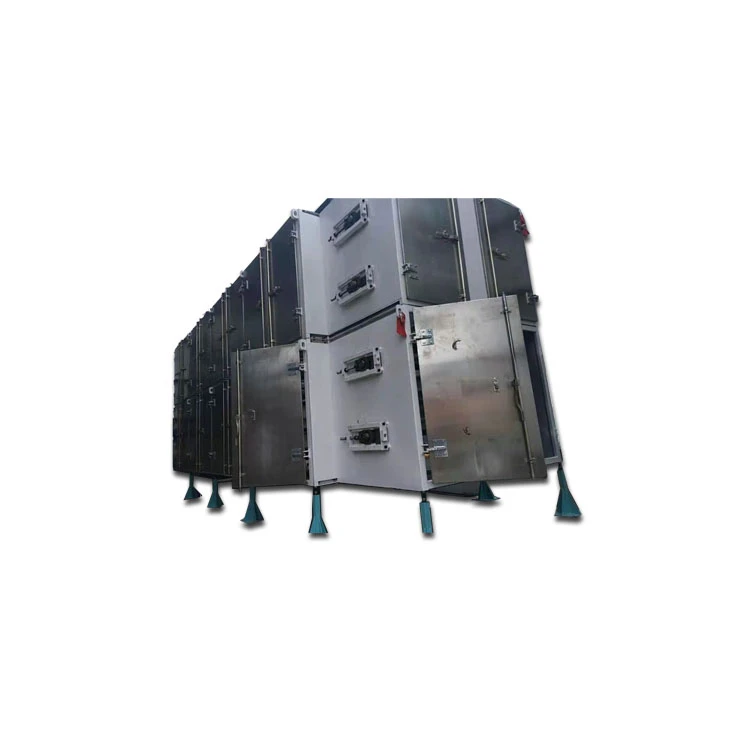

The design of the belt dryer also plays a crucial role in handling high - moisture materials. The airflow pattern inside the dryer needs to be carefully optimized. A well - designed airflow can ensure that the hot air reaches all parts of the materials evenly, promoting uniform drying. Additionally, the temperature and humidity control in the drying chamber are essential. If the temperature is too high, it may damage the materials, especially in the case of heat - sensitive materials like some food products. On the other hand, if the humidity is not properly controlled, the drying process may be inefficient.
Let's take a look at some real - world examples. In a fruit - drying plant, they were initially using a different type of dryer to dry berries. The berries had a high moisture content, and the previous dryer was not able to dry them effectively. After switching to a belt dryer, they noticed a significant improvement. The belt dryer was able to spread the berries evenly on the belt, and with the adjustable drying time, they could achieve the desired moisture level. The dried berries had a better texture and flavor, and the production efficiency also increased.
In a feed - processing factory, they were dealing with wet brewer's grains. These grains were very sticky and difficult to dry. They installed a feed belt dryer with an advanced anti - sticking system. The dryer was able to handle the high - moisture grains smoothly, and the dried grains were of high quality, suitable for use as animal feed.
So, to answer the question "Can a belt dryer handle high - moisture materials?" The answer is yes! But it requires the right design, proper operation, and some additional features to overcome the challenges.
If you're in an industry that deals with high - moisture materials and you're looking for a reliable drying solution, a belt dryer could be a great option. We, as a belt dryer supplier, have a wide range of belt dryers to meet different needs. Whether you're in the food, feed, or other industries, we can provide you with a customized belt dryer solution.
If you're interested in learning more about our belt dryers or want to discuss your specific requirements, don't hesitate to get in touch. We're here to help you find the best drying solution for your high - moisture materials.
References
- Smith, J. (2020). Drying Technology Handbook. Publisher XYZ.
- Johnson, A. (2019). Advances in Belt Drying Systems. Journal of Industrial Drying, 15(2), 45 - 60.