

Hey there! As a belt dryer supplier, I often get asked this question: "Can a belt dryer dry wet materials directly?" Well, let's dive right into it and find out.
First off, let me give you a quick low - down on what a belt dryer is. A belt dryer is a continuous - type drying machine. It works by passing wet materials on a conveyor belt through a drying chamber. Inside the chamber, hot air is circulated to remove moisture from the materials.
Now, to answer the big question - yes, a belt dryer can dry wet materials directly in most cases. But, there are a few things to consider.
Factors Affecting Direct Drying
Material Characteristics
The nature of the wet material plays a huge role. Some materials are easier to dry than others. For example, materials with a high moisture content and large particle size might take longer to dry. If the material is sticky, it can cause problems on the belt. Sticky materials may stick to the belt, which can disrupt the drying process and even damage the equipment.
On the other hand, materials with a more porous structure allow for better air circulation and faster moisture removal. So, if you're dealing with something like chopped vegetables or sawdust, a belt dryer can handle them pretty well directly.
Initial Moisture Content
The amount of moisture in the material when it enters the dryer is crucial. If the moisture content is extremely high, it might overload the dryer and lead to inefficient drying. In such cases, it might be a good idea to do some pre - drying. For instance, you could use a simple dewatering process before sending the material to the belt dryer. This can reduce the overall drying time and energy consumption.
Drying Temperature and Airflow
The temperature and airflow inside the drying chamber need to be carefully controlled. Different materials require different drying temperatures. Too high a temperature can damage heat - sensitive materials, while too low a temperature won't remove moisture effectively.

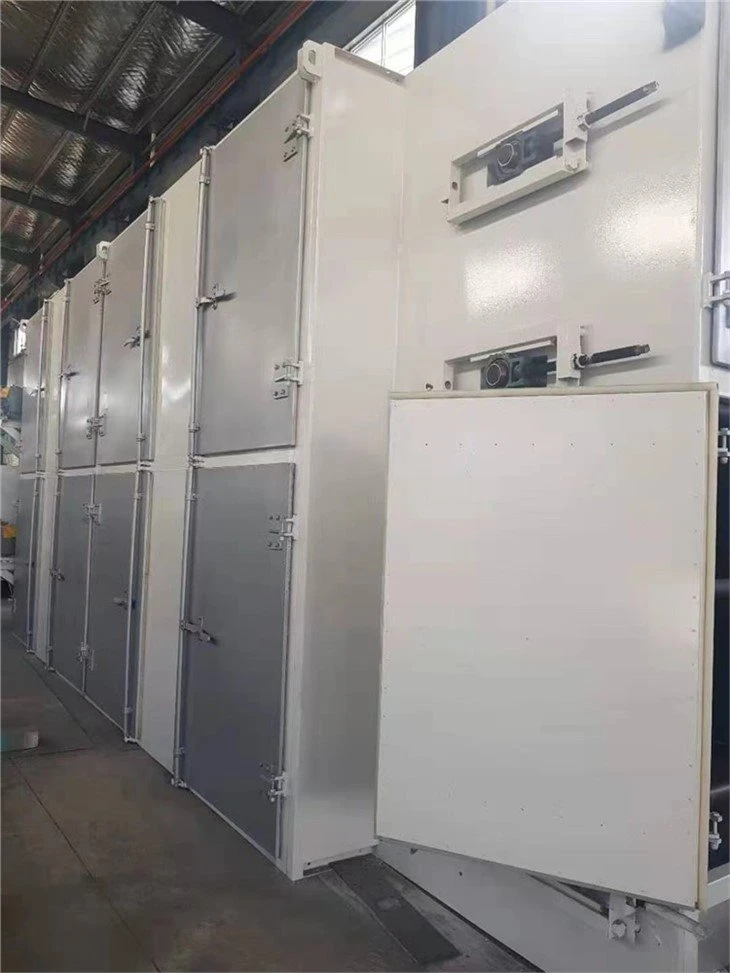
The airflow also needs to be evenly distributed across the belt. A well - designed belt dryer will have systems in place to ensure proper air circulation. This helps in uniform drying of the materials.
Advantages of Direct Drying with a Belt Dryer
Efficiency
One of the main advantages is efficiency. A belt dryer can operate continuously, which means it can process large quantities of wet materials in a relatively short time. This is great for industries that need to dry a lot of products quickly, like the food and feed industries.
Versatility
Belt dryers are quite versatile. They can handle a wide range of materials, from grains and cereals to fruits and vegetables. This makes them a popular choice for many different applications.
Quality Preservation
When the drying process is properly controlled, a belt dryer can preserve the quality of the materials. For example, in the food industry, it can maintain the nutritional value and flavor of the products. This is important for maintaining customer satisfaction.
Applications of Belt Dryers for Direct Drying
Food Industry
In the food industry, belt dryers are widely used. You can check out our Food Belt Dryer for more details. They are used to dry fruits, vegetables, grains, and even meat products. For example, sliced apples can be dried directly on a belt dryer to make apple chips. The dryer can be adjusted to the right temperature and airflow to ensure that the apples are dried evenly without losing their flavor.
Feed Industry
The feed industry also benefits from belt dryers. Feed Belt Dryer can handle different types of feed ingredients, such as corn, soybeans, and alfalfa. Drying these ingredients helps in preserving their quality and extending their shelf - life.
Considerations for Optimal Direct Drying
Belt Selection
The type of belt used in the dryer is important. Different belts have different properties, such as porosity and heat resistance. You need to choose a belt that is suitable for the material you are drying. For example, a porous belt is better for materials that need good air circulation.
Maintenance
Regular maintenance of the belt dryer is essential. This includes cleaning the belt, checking the heating elements, and ensuring proper airflow. A well - maintained dryer will perform better and last longer.
Monitoring
It's important to monitor the drying process. You can use sensors to measure the temperature, humidity, and moisture content of the materials inside the dryer. This allows you to make adjustments in real - time and ensure optimal drying results.
Conclusion
So, in conclusion, a belt dryer can dry wet materials directly in many cases. But it's important to consider the material characteristics, initial moisture content, and drying conditions. With proper planning and control, a belt dryer can be a highly effective solution for drying wet materials.
If you're in the market for a belt dryer and want to discuss your specific needs, feel free to reach out. We're here to help you find the best dryer for your application. Whether you're in the food industry, feed industry, or any other sector that needs to dry wet materials, we've got you covered.
References
- "Drying Technology: Principles, Applications, and Design" by Arun S. Mujumdar
- "Industrial Drying Equipment" by M. A. S. Mujumdar