

As a seasoned supplier of drag conveyors, I've encountered numerous inquiries regarding the temperature range these robust machines can endure. Understanding the temperature capabilities of a drag conveyor is crucial, as it directly impacts its performance, longevity, and suitability for specific industrial applications. In this blog post, I'll delve into the factors influencing the temperature range of a drag conveyor, explore typical temperature limits, and discuss how these conveyors can be optimized for extreme temperature environments.
Factors Influencing Temperature Resistance
The temperature range a drag conveyor can withstand is determined by several key factors, including the materials used in its construction, the design of the conveyor, and the type of material being conveyed.
Material Selection
The choice of materials for the conveyor components plays a significant role in its temperature resistance. For instance, the chain, flights, and housing are typically made from various metals, each with its own thermal properties. Steel is a common material due to its strength and durability, but its performance can be affected by high temperatures. At elevated temperatures, steel can lose its strength and become more susceptible to deformation. Stainless steel, on the other hand, offers better corrosion resistance and can withstand higher temperatures, making it suitable for applications where heat and moisture are present.
In addition to metals, some drag conveyors may incorporate heat-resistant polymers or ceramics in certain components. These materials can provide enhanced insulation, reduce friction, and withstand extreme temperatures without degrading. For example, ceramic liners can be used to protect the conveyor housing from abrasive and high-temperature materials, while heat-resistant polymers can be used for seals and gaskets to prevent leaks and maintain the integrity of the conveyor system.
Conveyor Design
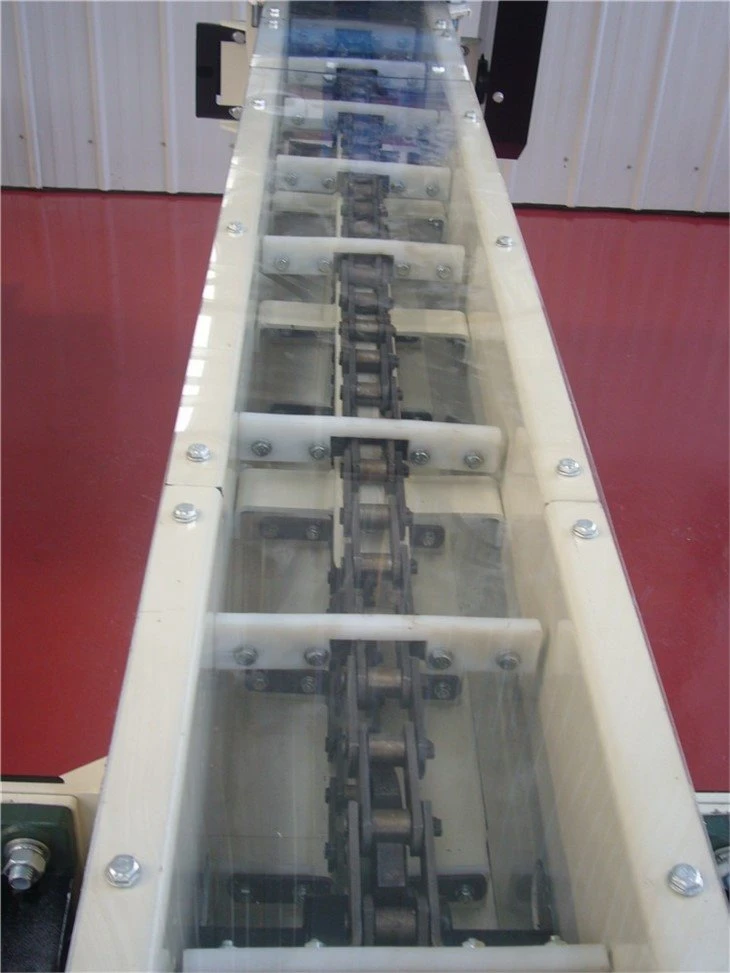
The design of the drag conveyor also influences its temperature resistance. Factors such as the spacing between flights, the type of chain drive, and the ventilation system can all impact how the conveyor performs under different temperature conditions.
A well-designed conveyor will have adequate spacing between flights to allow for proper airflow and heat dissipation. This helps prevent the buildup of heat within the conveyor and reduces the risk of overheating. Additionally, the type of chain drive used can affect the conveyor's ability to handle high temperatures. Some chain drives are designed to operate at higher speeds and temperatures, while others may be more suitable for lower-temperature applications.
Ventilation is another important aspect of conveyor design. A properly ventilated conveyor can remove hot air and fumes from the system, preventing the accumulation of heat and maintaining a stable operating temperature. This can be achieved through the use of fans, vents, or other ventilation devices.
Material Being Conveyed
The temperature of the material being conveyed is perhaps the most significant factor influencing the temperature range of a drag conveyor. Different materials have different thermal properties, and some may generate or retain heat more than others. For example, hot metals, molten glass, and chemical compounds can reach extremely high temperatures, requiring a conveyor that can withstand these conditions without damage.
In addition to the temperature of the material, its physical properties, such as size, shape, and density, can also affect the conveyor's performance. Abrasive materials, for instance, can cause wear and tear on the conveyor components, especially at high temperatures. Therefore, it's important to select a conveyor that is designed to handle the specific material being conveyed and its associated temperature range.
Typical Temperature Ranges
The temperature range that a drag conveyor can withstand varies depending on the factors mentioned above. In general, most standard drag conveyors are designed to operate within a temperature range of -20°C to 200°C (-4°F to 392°F). This range is suitable for a wide variety of industrial applications, including food processing, mining, and manufacturing.
However, for applications that require the conveyance of extremely hot or cold materials, specialized drag conveyors can be designed to withstand much higher or lower temperatures. For example, some high-temperature drag conveyors can operate at temperatures up to 1000°C (1832°F), making them ideal for applications such as foundries, steel mills, and glass manufacturing. On the other hand, low-temperature drag conveyors can be designed to operate in freezing conditions, down to -50°C (-58°F), making them suitable for applications in cold storage facilities and refrigerated warehouses.

Optimizing Drag Conveyors for Extreme Temperatures
To ensure the reliable operation of a drag conveyor in extreme temperature environments, several measures can be taken to optimize its performance and durability.
Material Selection
As mentioned earlier, the choice of materials is crucial for ensuring the temperature resistance of a drag conveyor. When selecting materials for high-temperature applications, it's important to choose metals and alloys that have high melting points and good thermal stability. Stainless steel, nickel alloys, and heat-resistant steels are commonly used in high-temperature drag conveyors due to their ability to withstand extreme temperatures without losing their strength or integrity.
For low-temperature applications, materials that are resistant to cold brittleness and have good flexibility at low temperatures should be selected. Some plastics and elastomers, such as polyethylene and neoprene, can be used in low-temperature drag conveyors to provide insulation and prevent damage from freezing temperatures.
Insulation
Insulation is an effective way to protect the conveyor components from extreme temperatures and reduce heat transfer. Insulating materials, such as ceramic fiber blankets, refractory bricks, and foam insulation, can be used to line the conveyor housing and other critical components. This helps maintain a stable operating temperature within the conveyor and reduces the risk of thermal stress and damage.
Cooling and Heating Systems
In some cases, it may be necessary to install cooling or heating systems to maintain the desired temperature range within the drag conveyor. Cooling systems, such as water jackets, air coolers, or refrigeration units, can be used to remove heat from the conveyor and prevent overheating. Heating systems, on the other hand, can be used to maintain a minimum temperature in cold environments and prevent the material from freezing or solidifying.
Maintenance and Monitoring
Regular maintenance and monitoring are essential for ensuring the long-term performance and reliability of a drag conveyor in extreme temperature environments. This includes inspecting the conveyor components for signs of wear, damage, or corrosion, and replacing any worn or damaged parts as needed. Additionally, monitoring the temperature and other operating parameters of the conveyor can help detect potential problems early and prevent costly breakdowns.
Conclusion
In conclusion, the temperature range that a drag conveyor can withstand is influenced by several factors, including the materials used in its construction, the design of the conveyor, and the type of material being conveyed. Most standard drag conveyors are designed to operate within a temperature range of -20°C to 200°C, but specialized conveyors can be designed to withstand much higher or lower temperatures. By selecting the appropriate materials, optimizing the conveyor design, and implementing effective insulation, cooling, and heating systems, drag conveyors can be tailored to meet the specific temperature requirements of a wide variety of industrial applications.
If you're in the market for a drag conveyor and need to convey materials at extreme temperatures, I encourage you to [contact us](insert contact information) to discuss your specific requirements. Our team of experts can help you select the right conveyor for your application and provide you with the support and guidance you need to ensure its successful operation.
References
- "Industrial Conveyor Systems Handbook" by Andrew Smeltzer
- "Materials Science and Engineering: An Introduction" by William D. Callister Jr. and David G. Rethwisch
- "Thermal Engineering" by P. K. Nag
Remember to replace "insert contact information" with the actual contact details for your company or yourself. Also, make sure to check the links provided in the blog post to ensure they are accurate and functional.