

What is the output quality of a feed pellet mill?
As a seasoned provider in the Feed Pellet Mill industry, I've witnessed firsthand the pivotal role that output quality plays in the success of our customers' operations. The output quality of a feed pellet mill encompasses a wide range of factors, each contributing to the overall performance, usability, and effectiveness of the produced feed pellets. In this blog, I'll delve into the key aspects that define output quality and how our products excel in delivering top - notch results.
Physical Characteristics of Pellets
First and foremost, the physical appearance and characteristics of the feed pellets are crucial. Well - formed pellets should have a uniform shape and size. Uniformity is essential because it ensures consistent feeding for animals. When pellets vary widely in size, some animals may choose to eat only the larger or smaller ones, leading to an unbalanced diet.
Our feed pellet mills are engineered to produce pellets with a high degree of size uniformity. Through advanced die and roller designs, we can precisely control the diameter and length of the pellets. For instance, if a customer requires 6 - mm diameter pellets, our machines can consistently produce them with a very narrow tolerance range, usually within ± 0.1 mm.
The hardness of the pellets is another vital aspect. Pellets that are too soft may crumble easily during handling, transportation, or storage, resulting in a high percentage of fines. On the other hand, overly hard pellets may be difficult for animals to digest, especially for young or small - sized livestock and poultry. Our Poultry Pellet Mill is designed to produce pellets with optimal hardness. We use adjustable pressure mechanisms that allow operators to fine - tune the compression force applied during the pelleting process, thus achieving the ideal hardness for different types of feed materials and animal needs.
The durability of the pellets is also worth considering. Durable pellets can withstand the rigors of the entire supply chain, from the production line to the animal's trough. Our feed pellet mills incorporate features such as improved die surface finishing, which reduces friction and wear during pellet extrusion. This not only contributes to the formation of more durable pellets but also extends the lifespan of the dies, reducing production costs in the long run.
Nutritional Preservation
Output quality is not just about the physical appearance of the pellets; it also involves the preservation of the nutritional value of the feed ingredients. During the pelleting process, heat, moisture, and pressure are applied, which can have both positive and negative impacts on the feed's nutrients.
Our feed pellet mills are equipped with advanced temperature and moisture control systems. This is essential because excessive heat or moisture can destroy sensitive nutrients such as vitamins, amino acids, and enzymes. For example, high - temperature pelleting for an extended period can cause Maillard reactions, which reduce the availability of lysine, an important amino acid for animal growth. By precisely controlling the pelleting conditions, we ensure that the maximum amount of nutrients is retained in the pellets.
In addition, our Stainless Steel Hygienizer can be integrated into the production line. This device helps to reduce harmful microorganisms in the feed while minimizing the loss of nutrients. It uses mild heat treatment methods that effectively kill bacteria, fungi, and other pathogens without causing significant damage to the nutritional composition of the feed.
Hygiene and Safety
Hygienic standards are of utmost importance in feed production. Contaminated feed can lead to health problems in animals, which in turn can affect the quality of animal products such as meat, eggs, and milk. Our feed pellet mills are designed with hygiene in mind from the ground up.
The contact parts of our machines are made of high - quality stainless steel, which is resistant to corrosion and easy to clean. This material prevents the growth and accumulation of microorganisms on the equipment surfaces. Additionally, our production processes are carried out in a clean and controlled environment, and we implement strict quality control measures to ensure that the produced feed pellets meet the highest hygiene standards.
The Stainless Steel Hygienizer also plays a crucial role in enhancing the safety of the feed. By reducing the microbial load, it helps to prevent the spread of diseases among animals and ensures the safety of the final animal products.
Production Efficiency and Yield
Output quality is also related to the production efficiency and yield of the feed pellet mill. A high - quality output means that the machine can produce a large quantity of high - standard pellets within a reasonable amount of time.
Our feed pellet mills are known for their high efficiency. They are powered by advanced motors and transmission systems that provide stable and powerful torque, enabling them to process large volumes of feed materials in a short period. For example, our industrial - grade models can produce several tons of pellets per hour, depending on the configuration and the type of feed material.
The yield rate is another important consideration. A good feed pellet mill should have a low percentage of fines and a high percentage of qualified pellets. Our machines are designed to optimize the pelleting process to minimize the production of fines, thereby increasing the overall yield of usable feed pellets.
Moreover, our Pellet Mill Lab - size is an excellent choice for research institutions, small - scale farmers, or those who want to test different feed formulations. It allows for accurate testing and adjustment of pelleting parameters to ensure optimal output quality before scaling up production.
Customization and Flexibility
Every customer has unique requirements when it comes to feed pellet production. Whether it's the type of feed material, the target animal species, or the specific pellet characteristics, our feed pellet mills offer a high degree of customization.
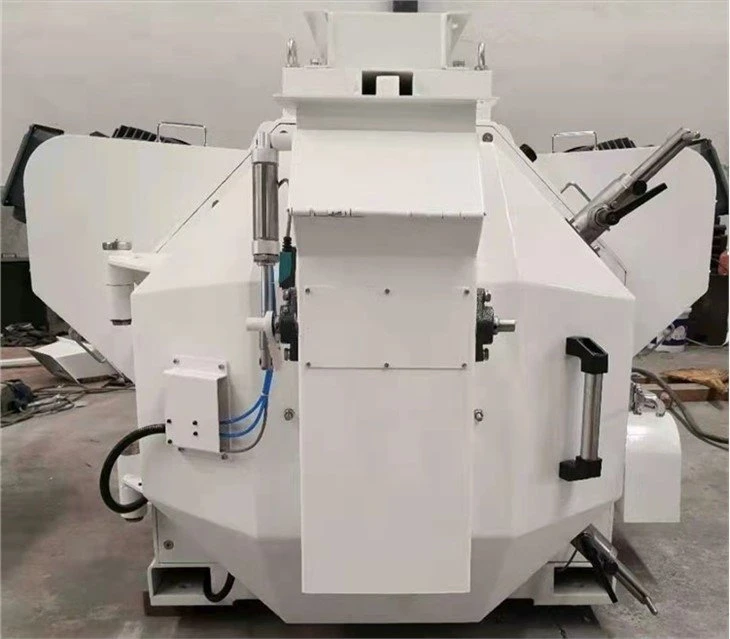

We can customize the die and roller configurations to suit different types of feed materials, such as grains, forages, or fish meal. Different materials have different physical and chemical properties, and custom - designed components can ensure that the pelleting process is optimized for each specific material.
Our machines can also be adjusted to produce pellets for different animal species, from poultry and livestock to aquaculture. Each animal has different dietary needs and digestive capabilities, and our feed pellet mills can be fine - tuned to meet these specific requirements.
In conclusion, the output quality of a feed pellet mill is a multi - faceted concept that encompasses physical characteristics, nutritional preservation, hygiene and safety, production efficiency, and customization. As a leading Feed Pellet Mill provider, we are committed to delivering products that excel in all these aspects. If you are in the market for a reliable feed pellet mill, we invite you to contact us for detailed information and to discuss your specific requirements. Our team of experts is ready to assist you in finding the best solution for your feed pellet production needs.
References
- "Manual on Feed Processing Technology" by FAO.
- "Feed Manufacturing Technology" by the American Feed Industry Association.
- Research papers from relevant academic journals in the field of feed production and animal nutrition.