

As a provider of Feed Pellet Mills, I often encounter inquiries from customers about various aspects of the pelletizing process. One frequently asked question is: What is the maximum temperature during the pelletizing process in a feed pellet mill? This blog post aims to delve into this topic, exploring the factors that influence the maximum temperature, its significance, and how it impacts the quality of feed pellets.
Understanding the Pelletizing Process
Before we discuss the maximum temperature, it's essential to understand the basic principles of the pelletizing process in a feed pellet mill. The process typically involves several steps: grinding, mixing, conditioning, and pelletizing. During conditioning, steam is injected into the feed mixture to increase its moisture content and temperature, making it more pliable and easier to form into pellets. The conditioned feed is then forced through a die with small holes, where it is compressed and cut into pellets.
Factors Influencing the Maximum Temperature
Several factors can influence the maximum temperature reached during the pelletizing process:
1. Feed Composition
The type and composition of the feed ingredients play a significant role in determining the maximum temperature. Different ingredients have different thermal properties, such as specific heat capacity and thermal conductivity. For example, grains and oilseeds generally have lower specific heat capacities compared to fibrous materials, which means they can reach higher temperatures more quickly. Additionally, the presence of high-fat or high-protein ingredients can also affect the temperature, as these substances tend to generate more heat during the compression process.
2. Moisture Content
Moisture content is another crucial factor. Higher moisture content in the feed mixture can help to dissipate heat more effectively, reducing the maximum temperature. Conversely, low moisture content can lead to increased friction and heat generation, resulting in higher temperatures. During the conditioning step, steam is used to increase the moisture content of the feed, which not only aids in pellet formation but also helps to control the temperature.
3. Pellet Mill Design and Operation
The design and operation of the feed pellet mill can also impact the maximum temperature. Factors such as the type of die, the compression ratio, and the speed of the pellet mill can all affect the heat generated during the pelletizing process. For example, a higher compression ratio will generally result in more heat being generated, as the feed is being forced through the die with greater pressure. Similarly, a faster pellet mill speed can also increase the heat generation, as the feed is being processed more quickly.
4. Ambient Temperature and Humidity
The ambient temperature and humidity of the environment in which the pellet mill is operating can also have an impact. In hot and humid conditions, it can be more challenging to dissipate heat, which can lead to higher maximum temperatures. On the other hand, in cold and dry conditions, the feed mixture may require more steam during conditioning to reach the desired moisture content, which can also affect the temperature.
Significance of the Maximum Temperature
The maximum temperature during the pelletizing process is significant for several reasons:
1. Pellet Quality
The temperature can have a direct impact on the quality of the feed pellets. If the temperature is too high, it can cause the feed ingredients to overcook or burn, resulting in a loss of nutrients and a decrease in pellet durability. On the other hand, if the temperature is too low, the pellets may not be properly formed, leading to poor quality and a higher rate of fines. Therefore, it is essential to maintain the maximum temperature within an optimal range to ensure high-quality pellets.
2. Microbial Inactivation
The high temperatures reached during the pelletizing process can also help to inactivate harmful microorganisms in the feed. This is particularly important for ensuring the safety of the feed and reducing the risk of disease transmission to animals. However, it is important to note that the effectiveness of microbial inactivation depends on the duration and intensity of the heat treatment, as well as the type of microorganisms present.
3. Energy Efficiency
Controlling the maximum temperature is also important for energy efficiency. If the temperature is too high, it can result in excessive energy consumption, as more heat is being generated than necessary. By optimizing the temperature, it is possible to reduce energy costs and improve the overall efficiency of the pelletizing process.
Optimal Temperature Range
The optimal maximum temperature during the pelletizing process can vary depending on the specific feed ingredients, pellet mill design, and operating conditions. However, in general, the temperature should be maintained between 80°C and 95°C (176°F and 203°F). This range is typically sufficient to ensure proper pellet formation, microbial inactivation, and nutrient preservation.
Monitoring and Control
To ensure that the maximum temperature is within the optimal range, it is important to monitor and control the temperature during the pelletizing process. Most modern feed pellet mills are equipped with temperature sensors and control systems that can automatically adjust the steam injection rate and other operating parameters to maintain the desired temperature. Regular calibration of these sensors and control systems is also essential to ensure accurate temperature measurement and control.

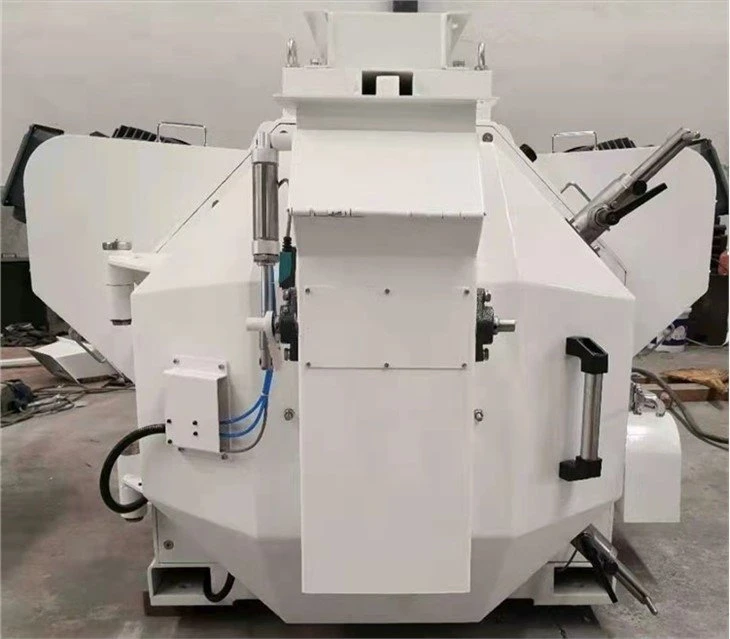
Our Feed Pellet Mills
At our company, we offer a wide range of Small Pellet Making Machine, including Rabbit Pellet Making Machine and Poultry Pellet Mill. Our pellet mills are designed with advanced technology and high-quality materials to ensure efficient and reliable operation. They are equipped with state-of-the-art temperature control systems that allow for precise regulation of the maximum temperature during the pelletizing process, ensuring the production of high-quality feed pellets.
Conclusion
In conclusion, the maximum temperature during the pelletizing process in a feed pellet mill is influenced by several factors, including feed composition, moisture content, pellet mill design and operation, and ambient temperature and humidity. Maintaining the maximum temperature within an optimal range is crucial for ensuring high-quality feed pellets, microbial inactivation, and energy efficiency. By understanding these factors and implementing appropriate monitoring and control measures, it is possible to optimize the pelletizing process and produce high-quality feed pellets.
If you are interested in learning more about our feed pellet mills or have any questions about the pelletizing process, please feel free to contact us. We are always happy to assist you with your feed pellet production needs.
References
- "Feed Pellet Mill Handbook" - A comprehensive guide to the operation and maintenance of feed pellet mills.
- "Principles of Feed Processing" - A textbook that covers the fundamental principles of feed processing, including pelletizing.
- "Journal of Animal Science" - A peer-reviewed journal that publishes research on various aspects of animal science, including feed processing and pellet quality.