

When it comes to operating a feed production facility, one of the key pieces of equipment is the feed hammer mill. As a well - established feed hammer mill supplier, I've had numerous discussions with customers about the various aspects of these machines, and one topic that frequently arises is the maintenance cost. In this blog post, I'll break down the components that contribute to the maintenance cost of a feed hammer mill and provide some insights to help you manage these expenses effectively.
1. Wear and Tear of Key Components
Hammers
Hammers are the most critical part of a feed hammer mill as they are responsible for the actual grinding process. They are constantly in contact with the feed material, which causes significant wear over time. The rate of wear depends on several factors, such as the type of feed being processed (e.g., hard grains will cause more wear than softer materials), the moisture content of the feed, and the operating speed of the mill.
Replacing hammers can be a significant part of the maintenance cost. High - quality hammers are made from special alloys to withstand the abrasion, but they still need to be replaced periodically. On average, depending on the usage, hammers may need to be replaced every few months to a year. As a supplier, I always recommend using genuine parts to ensure the best performance and longevity of the mill. For example, our Fine - grinding Hammer Mill is designed to work optimally with our specifically engineered hammers.
Screens
Screens in a feed hammer mill are used to control the particle size of the ground feed. They are also subject to wear and tear due to the constant impact of the feed material. The holes in the screens can become enlarged or damaged, which will affect the quality of the final product.
The frequency of screen replacement depends on the same factors as hammer wear, as well as the desired particle size. Finer particle sizes generally require more frequent screen changes. When selecting screens, it's important to choose the right mesh size for your specific application. Our Animal Feed Crushing Machine offers a range of screen options to meet different production requirements.
Bearings
Bearings support the rotating parts of the hammer mill, such as the rotor. They are crucial for the smooth operation of the machine. However, they can be affected by factors like vibration, temperature, and lubrication.
Proper lubrication is essential to extend the life of bearings. If the lubricant is not changed regularly or if the wrong type of lubricant is used, the bearings can overheat and fail. Bearing replacement can be a costly affair, both in terms of the part itself and the labor required for installation. Regular maintenance checks, including monitoring the temperature and vibration of the bearings, can help detect early signs of wear and prevent costly breakdowns.
2. Lubrication and Fluid Costs
Lubricating Oils and Greases
As mentioned earlier, lubrication is vital for the proper functioning of the feed hammer mill. Different parts of the machine, such as bearings, gears, and the drive system, require specific types of lubricants.
The cost of lubricants can add up over time, especially for large - scale operations. It's important to follow the manufacturer's recommendations regarding the type and frequency of lubricant changes. Using high - quality lubricants can actually save money in the long run by reducing wear and tear on the machine's components.
Coolants
In some feed hammer mills, coolants are used to prevent overheating during operation. This is particularly important for mills that operate continuously or at high speeds. Coolants need to be monitored and replaced regularly to ensure their effectiveness. The cost of coolants and the associated maintenance tasks, such as coolant system flushing, should be factored into the overall maintenance cost.
3. Labor Costs
Routine Maintenance
Routine maintenance tasks, such as cleaning, inspection, and lubrication, require skilled labor. The time and effort spent on these tasks can vary depending on the size and complexity of the feed hammer mill. For example, a large - scale industrial Hammer Mill for Cattle may require more extensive maintenance compared to a smaller, domestic - use mill.
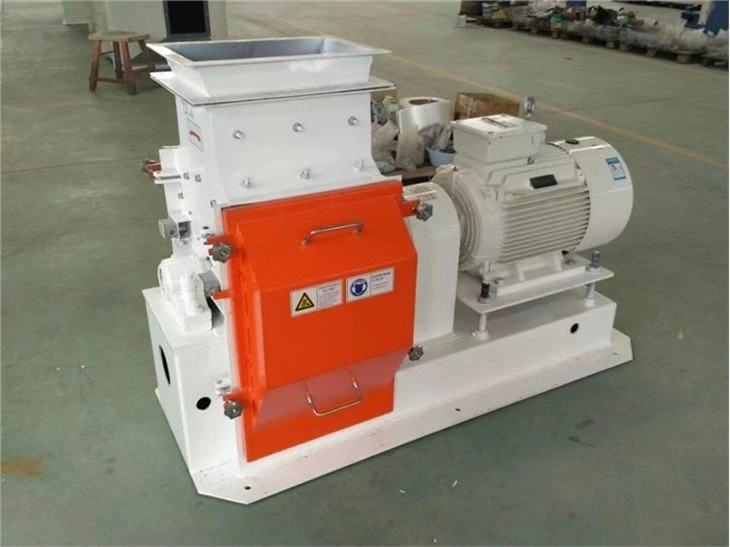
Some feed production facilities choose to have in - house maintenance teams, while others outsource these services. In - house teams offer the advantage of immediate response to maintenance needs, but they also come with the cost of salaries, training, and equipment. Outsourcing can be more cost - effective for smaller operations, but it may result in longer response times in case of emergencies.
Repairs
When a component of the feed hammer mill fails, repairs are necessary. The labor cost for repairs depends on the complexity of the problem and the time required to fix it. In some cases, repairs may involve disassembling a significant portion of the machine, which can be time - consuming. Skilled technicians are required to ensure that the repairs are done correctly, and their hourly rates can vary depending on their level of expertise and location.
4. Energy Consumption and its Impact on Maintenance
Power Usage
Feed hammer mills are energy - intensive machines. The amount of power they consume depends on factors such as the size of the mill, the type of feed being processed, and the operating speed. Higher energy consumption not only leads to increased electricity bills but can also put more stress on the machine's components.
For example, running the mill at a higher speed than recommended can cause excessive wear on hammers, screens, and bearings. It's important to optimize the operating parameters of the mill to balance production efficiency and energy consumption. This can help reduce both energy costs and the frequency of component replacements.
Impact on Overall Machine Health
Continuous high - energy operation can also lead to increased heat generation in the machine. Excessive heat can cause thermal expansion of components, which may lead to misalignment and premature wear. Monitoring and controlling the energy consumption of the feed hammer mill is therefore an important aspect of maintenance cost management.
Strategies to Reduce Maintenance Costs
Regular Inspections
Implementing a regular inspection schedule can help detect potential problems early. By identifying worn - out components before they fail completely, you can avoid costly breakdowns and unplanned downtime. Inspections should include visual checks, as well as measurements of parameters such as vibration, temperature, and power consumption.
Training for Operators
Well - trained operators are essential for the proper operation and maintenance of the feed hammer mill. They should be familiar with the machine's operating manual, including recommended operating parameters, lubrication schedules, and safety procedures. Training can also help operators identify early signs of problems and take appropriate action.
Using High - Quality Parts
Investing in high - quality parts may seem more expensive upfront, but it can save money in the long run. Genuine parts are designed to fit the machine perfectly and are made from materials that offer better durability and performance. As a supplier, I always emphasize the importance of using parts that are specifically designed for the feed hammer mill to ensure optimal operation and reduce maintenance costs.
Conclusion
The maintenance cost of a feed hammer mill is composed of several factors, including the wear and tear of key components, lubrication and fluid costs, labor costs, and energy consumption. By understanding these factors and implementing effective maintenance strategies, feed production facilities can manage these costs more efficiently.

If you're in the market for a feed hammer mill or need more information about maintenance and cost - saving strategies, I encourage you to reach out. We are here to provide you with the best - in - class products and expert advice to help you optimize your feed production process. Contact us today to start a discussion about your specific needs.
References
- "Feed Mill Machinery Maintenance Guide", Feed Industry Association, 20XX
- "Principles of Hammer Mill Operation and Maintenance", Journal of Agricultural Engineering, 20XX