

Hey there! As a supplier of Impeller Feeders, I've seen firsthand how the impeller material can have a huge impact on the feeding of different materials. In this blog post, I'm gonna break down the influence of impeller material on feeding, and why it matters for your operations.
Let's start by understanding what an Impeller Feeder is and what it does. An impeller feeder is a device used to control the flow of materials from a hopper or storage container into a process or machine. It works by using a rotating impeller to meter and dispense the material at a consistent rate. The impeller is the heart of the feeder, and its material can significantly affect how well it performs.
1. Abrasion Resistance
One of the most important factors to consider when choosing an impeller material is its abrasion resistance. Different materials have different levels of hardness and wear resistance, which can impact how long the impeller lasts and how well it maintains its performance over time.
- Hard Materials: For abrasive materials like sand, gravel, or crushed stone, you'll want an impeller made from a hard, wear-resistant material. Materials like high-chrome alloy, tungsten carbide, or ceramic are popular choices because they can withstand the constant rubbing and scraping of the abrasive particles. These materials have a high hardness rating, which means they're less likely to wear down quickly, reducing the need for frequent replacements.
- Soft Materials: On the other hand, if you're feeding soft materials like flour, sugar, or animal feed, you don't need an extremely hard impeller. In fact, using a hard material for soft materials can cause excessive degradation of the product and increase the energy consumption of the feeder. For these applications, materials like stainless steel, aluminum, or plastic may be more suitable. These materials are generally softer and less likely to damage the product.
2. Chemical Compatibility
Another crucial aspect to consider is the chemical compatibility between the impeller material and the material being fed. Different materials can react with each other chemically, which can lead to corrosion, contamination, or other issues.
- Corrosive Materials: If you're feeding materials that are corrosive, such as acids, alkalis, or salts, you need an impeller material that can resist corrosion. Stainless steel is a popular choice for these applications because it contains chromium, which forms a passive film on the surface of the metal, protecting it from corrosion. Other corrosion-resistant materials include titanium, Hastelloy, and certain types of plastics.
- Food and Pharmaceutical Applications: In the food and pharmaceutical industries, you need to ensure that the impeller material is safe for contact with the product. Materials like stainless steel, food-grade plastic, or ceramic are commonly used because they are non-toxic, easy to clean, and comply with food safety regulations.
3. Static Electricity and Dust Generation
Some materials can generate static electricity when they come into contact with the impeller. This can cause the material to stick to the impeller or the feeder walls, leading to blockages and inconsistent feeding. Additionally, the generation of dust can be a safety hazard and may cause environmental issues.
- Anti - Static Materials: To prevent static electricity buildup, you can choose an impeller material that has anti-static properties. Some plastics and coatings are designed to dissipate static charges, reducing the risk of material sticking. For example, carbon - filled plastics can be used to create an impeller that conducts electricity and prevents static buildup.
- Low - Dust Generation: When feeding materials that are prone to dust generation, such as powdered spices or pharmaceuticals, you want an impeller material that minimizes dust production. Smooth - surfaced materials like polished stainless steel or plastic can reduce friction and the generation of dust particles.
4. Impact on Feeding Accuracy
The impeller material can also affect the feeding accuracy of the feeder. Different materials have different densities and mechanical properties, which can influence how the impeller meters and dispenses the material.
- Density and Weight: If the impeller material is too heavy, it can require more energy to rotate, which may affect the speed and accuracy of the feeding. On the other hand, if the impeller is too light, it may not have enough inertia to maintain a consistent flow rate. Choosing an impeller material with the right density for your application is crucial for achieving accurate feeding.
- Mechanical Properties: The mechanical properties of the impeller material, such as its stiffness and elasticity, can also impact feeding accuracy. A rigid impeller material is less likely to deform under the pressure of the material being fed, ensuring a more consistent flow. However, in some cases, a slightly elastic impeller may be beneficial for handling materials that are sticky or have irregular shapes.
Real - World Examples
Let's take a look at some real - world examples to illustrate the importance of impeller material selection.
- Mining Industry: In the mining industry, where abrasive materials like ore and coal are commonly fed, high - chrome alloy impellers are often used. These impellers can withstand the harsh conditions and abrasive nature of the materials, providing long - lasting performance and reliable feeding.
- Food Processing: In a food processing plant, animal feed grinders may use stainless steel impellers. Stainless steel is corrosion - resistant, easy to clean, and meets food safety standards, making it ideal for handling animal feed and other food products.
The Role in Related Machines
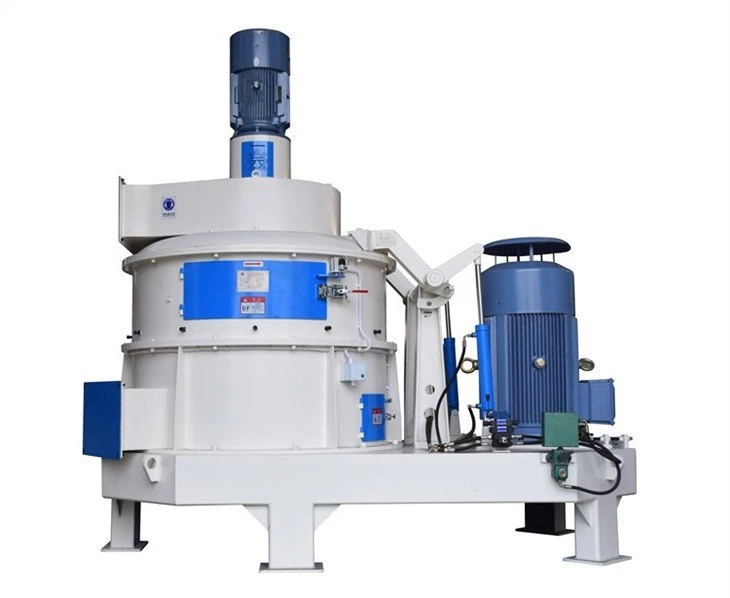
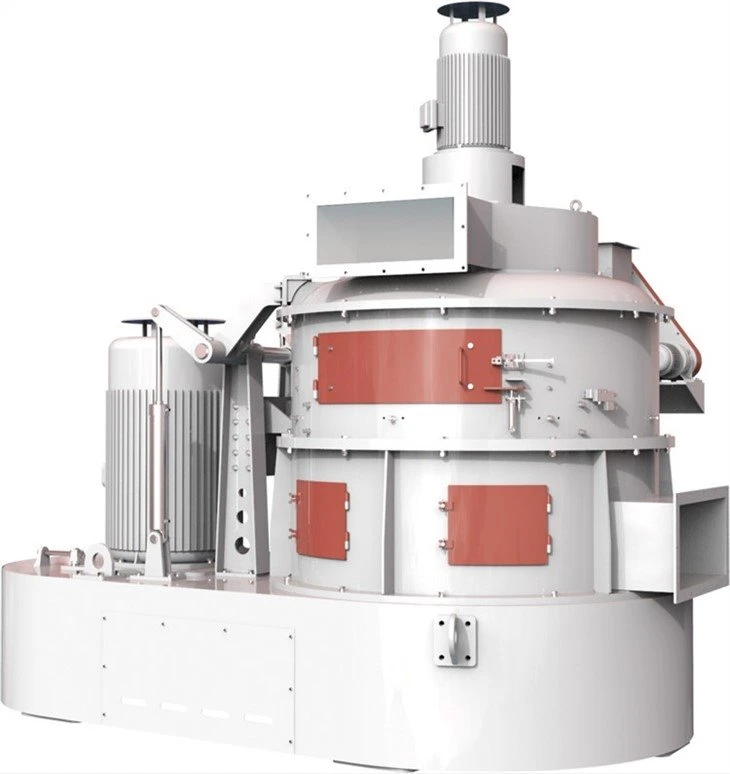
Impeller feeders are often used in conjunction with other machines, such as SWFL Series Ultra - fine Pulverizer. The choice of impeller material can affect the overall performance of these machines. For example, if the impeller material causes excessive wear or blockages in the feeder, it can reduce the efficiency of the pulverizer and increase maintenance costs.
Why Choosing the Right Supplier Matters
As a supplier of Impeller Feeders, I understand the importance of choosing the right impeller material for your specific application. We work closely with our customers to understand their needs and recommend the most suitable impeller material. Our team of experts has extensive knowledge and experience in the field, and we can provide customized solutions to meet your unique requirements.
If you're in the market for an Impeller Feeder or need to replace the impeller in your existing feeder, don't hesitate to reach out. We're here to help you make the right decision and ensure that your operations run smoothly. Contact us today to start a discussion about your feeding needs and how we can assist you.
References
- Smith, J. (2020). Industrial Feeding Equipment Handbook. Publisher XYZ.
- Jones, A. (2019). Materials Selection for Process Equipment. Book Press ABC.