

Hey there! As a supplier of Feed Hammer Mills, I've been getting a lot of questions lately about how these machines impact the digestibility of animal feed. So, I thought I'd take a deep dive into this topic and share some insights with you.
Feed digestibility is crucial in animal nutrition. It determines how well the animals can break down and absorb the nutrients in their feed. Better digestibility means more efficient use of the feed, which can lead to better growth, reproduction, and overall health in animals. And this is where the feed hammer mill comes in.
First off, let's understand what a feed hammer mill does. In simple terms, it's a machine designed to crush and grind feed materials into smaller particles. There are different types, like the Animal Feed Crushing Machine, Fine-grinding Hammer Mill, and Industrial Hammer Mill. These mills work by using high - speed rotating hammers to impact the feed materials, reducing them to the desired particle size.
Particle Size and Digestibility
One of the most significant ways a feed hammer mill affects feed digestibility is through the control of particle size. When the feed particles are too large, the animal's digestive system has a hard time breaking them down. The enzymes in the animal's gut need to have access to the nutrients inside the feed particles, and large particles can limit this access.
With a feed hammer mill, you can adjust the particle size according to the type of animal and its digestive capabilities. For example, younger animals or animals with more sensitive digestive systems may require finer - ground feed. A Fine - grinding Hammer Mill is perfect for this job. It can produce very small particles, which increases the surface area of the feed. A larger surface area means that the enzymes in the digestive tract can come into contact with more of the feed, leading to better digestion.
On the other hand, if the particles are too fine, it can also cause problems. Extremely fine particles may clump together, which can slow down the passage of feed through the digestive system. This can potentially lead to issues like acidosis in ruminants. So, it's all about finding the right balance, and a good feed hammer mill gives you the flexibility to do that.
Nutrient Release
Another important aspect is the release of nutrients. Feed materials often have a protective outer layer that can prevent the easy access of digestive enzymes to the nutrients inside. When you use a feed hammer mill to crush the feed, it breaks this outer layer. This allows the nutrients, such as proteins, carbohydrates, and fats, to be more readily available for digestion.
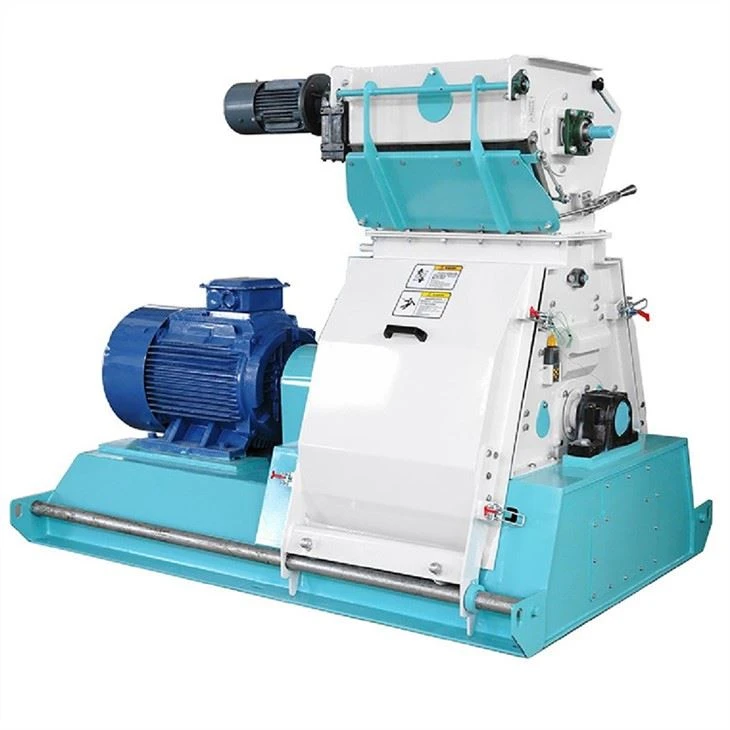
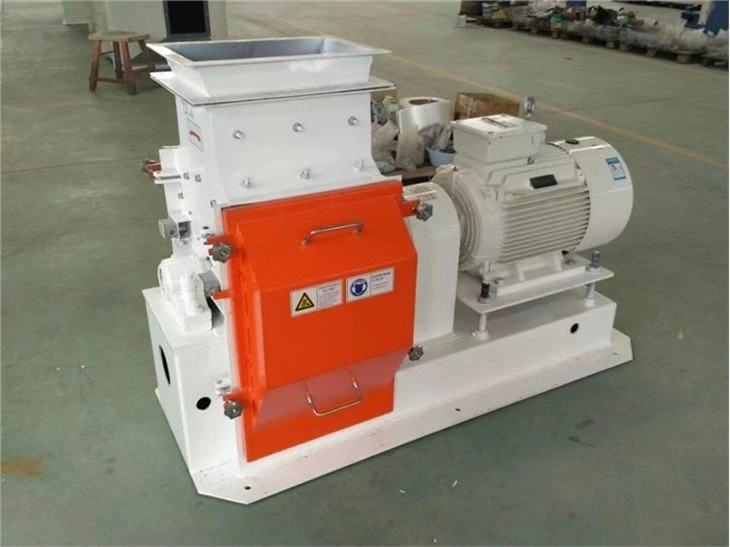
For instance, in grains, the bran layer can be quite tough. A feed hammer mill can break through this layer, releasing the starches and other nutrients within. This means that the animal can extract more energy and other essential nutrients from the feed, improving its overall nutritional intake.
Feed Mixing and Homogeneity
A feed hammer mill also plays a role in feed mixing and homogeneity. When the feed is ground into smaller particles, it becomes easier to mix different ingredients together evenly. This is important because animals need a balanced diet with all the necessary nutrients in the right proportions.
If the feed is not well - mixed, some animals may end up getting more of certain nutrients while others get less. This can lead to nutritional imbalances and health issues. By using a feed hammer mill to create a more homogeneous feed mixture, you ensure that each animal gets a consistent and balanced diet, which in turn improves digestibility.
Impact on Different Animal Types
The influence of a feed hammer mill on digestibility can vary depending on the type of animal.
Poultry
Poultry have a relatively short digestive tract. They need feed that can be quickly digested. A feed hammer mill can produce fine - ground feed that is ideal for poultry. The small particle size allows for rapid nutrient absorption in their digestive system. This can lead to faster growth rates and better egg production in laying hens.
Ruminants
Ruminants, like cows and sheep, have a complex digestive system with multiple stomach compartments. They rely on a population of microorganisms in their rumen to break down the feed. While they can handle larger feed particles to some extent, a well - ground feed from a feed hammer mill can still enhance digestion. Finer particles can increase the surface area available for microbial fermentation, leading to more efficient breakdown of cellulose and other complex carbohydrates in the feed.
Swine
Swine have a simple stomach, similar to humans. They benefit from a feed with an appropriate particle size. A feed hammer mill can help create a feed that is easy for swine to chew and digest. This can improve their feed conversion efficiency, meaning they can turn the feed into body mass more effectively.
Quality of the Feed Hammer Mill
The quality of the feed hammer mill you use is also crucial. A high - quality mill, like the ones we supply, is designed to provide consistent and precise grinding. It has sharp hammers and a well - designed screen that can control the particle size accurately.
A poorly made mill may not grind the feed evenly, resulting in a mixture of large and small particles. This can lead to inconsistent digestibility and nutritional intake for the animals. Additionally, a good mill is more durable and requires less maintenance, which can save you time and money in the long run.
Conclusion
In conclusion, the feed hammer mill has a significant influence on the digestibility of animal feed. It controls the particle size, releases nutrients, improves feed mixing, and can be tailored to the specific needs of different animal types. As a supplier of high - quality feed hammer mills, we're committed to helping you achieve the best possible feed digestibility for your animals.
If you're interested in learning more about our Animal Feed Crushing Machine, Fine - grinding Hammer Mill, or Industrial Hammer Mill, or if you want to discuss your specific feed processing needs, don't hesitate to reach out. We're here to assist you in making the right choice for your operation.
References
- NRC (National Research Council). Nutrient Requirements of Domestic Animals. Various editions for different animal species.
- McDonald, P., Edwards, R. A., Greenhalgh, J. F. D., & Morgan, C. A. (2011). Animal Nutrition. Pearson Education.