

As a seasoned supplier in the feed pellet mill industry, I've witnessed firsthand the pivotal role that energy efficiency plays in modern agricultural and livestock operations. Energy efficiency isn't just a buzzword; it's a critical factor that can significantly impact the bottom line of farms and feed production facilities. In this blog, I'll delve into what energy efficiency means for a feed pellet mill, why it matters, and how our products are designed to optimize this crucial aspect.
Understanding Energy Efficiency in Feed Pellet Mills
Energy efficiency in a feed pellet mill refers to the ability of the machine to convert input energy, typically electricity or fuel, into useful work - the production of high - quality feed pellets - with minimal waste. A highly energy - efficient pellet mill will consume less energy per unit of pellet output, which not only reduces operational costs but also has environmental benefits.
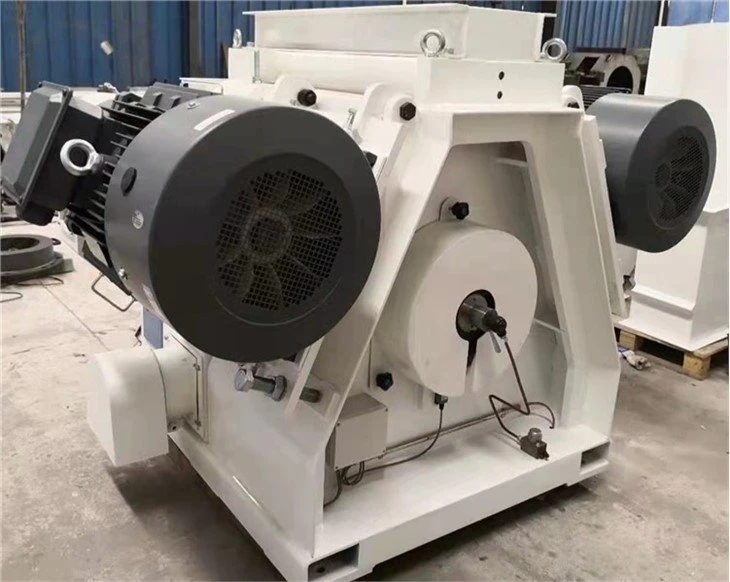
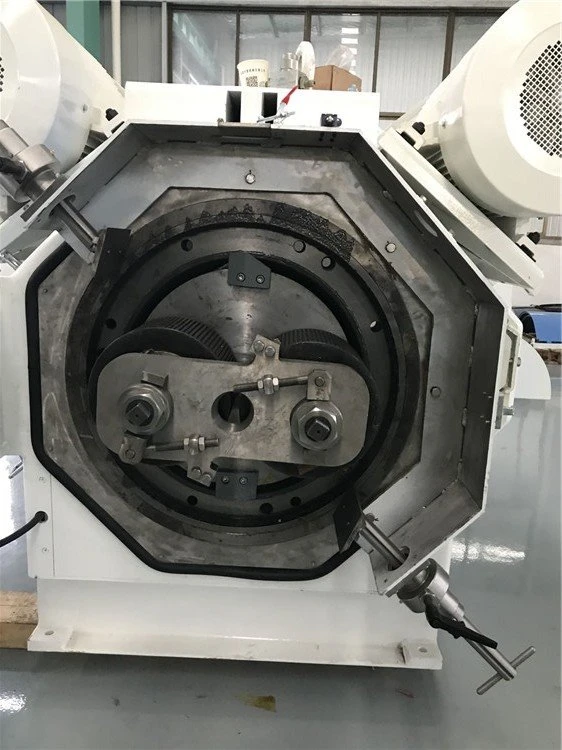
The energy consumption of a feed pellet mill is influenced by several factors. Firstly, the design of the mill itself plays a major role. Modern pellet mills are engineered with advanced technologies to ensure smooth operation and minimize energy losses. For example, the use of high - quality bearings and gears reduces friction, which in turn reduces the amount of energy needed to drive the mill.
Secondly, the type of raw materials used can affect energy efficiency. Different feed ingredients have varying physical properties, such as density, moisture content, and fiber content. Materials with high moisture content may require more energy to dry and process into pellets. Our team at the company has conducted extensive research on how to optimize the processing of different raw materials to improve energy efficiency.
Another important factor is the operating conditions of the pellet mill. Proper maintenance, including regular cleaning, lubrication, and replacement of worn - out parts, is essential to keep the mill running at peak efficiency. Additionally, the speed and pressure settings of the mill need to be carefully calibrated according to the type of feed being produced.
Why Energy Efficiency Matters
The importance of energy efficiency in feed pellet mills cannot be overstated. From an economic perspective, energy costs can account for a significant portion of the total operating expenses of a feed production facility. By investing in an energy - efficient pellet mill, farmers and feed producers can save a substantial amount of money in the long run. These savings can be reinvested in other aspects of the business, such as expanding production capacity or improving the quality of raw materials.
Energy efficiency also has environmental benefits. As the world becomes more conscious of the need to reduce carbon emissions and conserve natural resources, using energy - efficient equipment is a step in the right direction. A feed pellet mill that consumes less energy helps to reduce the overall carbon footprint of the feed production process. This is not only good for the environment but also enhances the reputation of the business as a sustainable and responsible operation.
Moreover, energy - efficient pellet mills often produce higher - quality pellets. Since they are designed to operate more smoothly and with less waste, the pellets produced are more uniform in size and density. This is beneficial for livestock as it ensures better feed intake and digestion, leading to improved animal health and productivity.
Our Energy - Efficient Feed Pellet Mill Solutions
At our company, we are committed to providing our customers with the most energy - efficient feed pellet mills on the market. Our product range includes a variety of models to meet the diverse needs of different customers, from small - scale farms to large - scale feed production plants.
One of our flagship products is the Stainless Steel Hygienizer. This innovative machine is designed to not only improve the hygiene of the feed but also enhance energy efficiency. It uses advanced heating and cooling technologies to process the feed with minimal energy consumption. The stainless - steel construction ensures durability and easy cleaning, which further contributes to the long - term efficiency of the machine.
For poultry farmers, we offer the Poultry Pellet Mill. This specialized mill is optimized for the production of poultry feed, taking into account the specific nutritional requirements and physical properties of poultry feed ingredients. It is equipped with state - of - the - art control systems that allow for precise adjustment of the processing parameters, ensuring high - quality pellet production with low energy consumption.
We also have a Pellet Mill Lab - size for research institutions and small - scale producers. This compact and energy - efficient mill is ideal for testing different feed formulations and production processes. It provides a cost - effective solution for those who want to experiment with pellet production without investing in a large - scale machine.
Optimizing Energy Efficiency in Your Operation
In addition to choosing an energy - efficient feed pellet mill, there are several steps that you can take to further optimize energy efficiency in your feed production operation. Firstly, it is important to conduct a thorough energy audit of your facility. This will help you identify areas where energy is being wasted and develop strategies to reduce consumption.
Secondly, you should train your staff on proper operating procedures for the pellet mill. Simple actions, such as starting and stopping the mill correctly, can have a significant impact on energy consumption. Additionally, staff should be aware of the importance of regular maintenance and be trained to perform basic maintenance tasks.
Finally, consider investing in renewable energy sources, such as solar panels or wind turbines, to power your feed production facility. This can further reduce your reliance on traditional energy sources and lower your energy costs.
Conclusion
Energy efficiency is a crucial aspect of feed pellet mill operation. By understanding the factors that affect energy efficiency, recognizing its importance, and choosing the right equipment, you can significantly reduce your operating costs, improve the quality of your feed pellets, and contribute to a more sustainable future.
Our company is dedicated to providing you with the best energy - efficient feed pellet mill solutions. Whether you are a small - scale farmer or a large - scale feed producer, we have the expertise and products to meet your needs. If you are interested in learning more about our feed pellet mills or have any questions regarding energy efficiency in your operation, please feel free to contact us for a detailed consultation. We look forward to working with you to optimize your feed production process.
References
- Smith, J. (2018). Energy Efficiency in Industrial Machinery. Journal of Manufacturing and Technology, 15(2), 45 - 52.
- Johnson, A. (2019). Feed Pellet Production: A Comprehensive Guide. Agricultural Press, New York.
- Brown, C. (2020). Sustainable Energy Solutions for the Agricultural Sector. Environmental Science Review, 22(3), 78 - 85.