

A feed hammer mill is a crucial piece of equipment in the feed processing industry, designed to crush various raw materials into smaller particles for animal feed production. However, during the operation of a feed hammer mill, a significant amount of dust is generated. This dust not only poses health risks to workers but can also lead to environmental pollution and affect the performance and lifespan of the equipment. That's where a dust collection system comes in.
What is a Dust Collection System for a Feed Hammer Mill?
A dust collection system for a feed hammer mill is a specialized equipment designed to capture, collect, and remove dust generated during the operation of the hammer mill. It works by creating a negative pressure environment around the hammer mill, which sucks the dust-laden air into the system. Inside the system, the dust is separated from the air through various mechanisms, such as filtration or centrifugal force, and then collected in a dust hopper or bag for disposal.
Components of a Dust Collection System
- Dust Hood: The dust hood is placed over the hammer mill to capture the dust at the source. It is designed to fit the shape and size of the hammer mill and is connected to the ductwork of the dust collection system.
- Ductwork: The ductwork is a network of pipes that connects the dust hood to the dust collector. It transports the dust-laden air from the hammer mill to the dust collector. The size and layout of the ductwork are designed based on the airflow requirements and the distance between the hammer mill and the dust collector.
- Dust Collector: The dust collector is the heart of the dust collection system. It is responsible for separating the dust from the air. There are several types of dust collectors available, including bag filters, cyclone separators, and cartridge filters. Each type has its own advantages and disadvantages, and the choice of dust collector depends on factors such as the type and size of the dust, the airflow rate, and the operating conditions.
- Blower: The blower is used to create the negative pressure required to draw the dust-laden air into the dust collection system. It is typically located at the end of the ductwork, after the dust collector. The size and power of the blower are determined by the airflow requirements of the system.
- Control System: The control system is used to monitor and control the operation of the dust collection system. It includes sensors, controllers, and alarms to ensure that the system is operating efficiently and safely. The control system can also be used to adjust the airflow rate, filter cleaning cycles, and other parameters.
Benefits of a Dust Collection System
- Improved Air Quality: By removing dust from the air, a dust collection system helps to improve the air quality in the workplace. This reduces the risk of respiratory diseases and other health problems for workers.
- Environmental Protection: A dust collection system helps to prevent dust from being released into the environment, which reduces air pollution and protects the surrounding ecosystem.
- Equipment Protection: Dust can cause damage to the hammer mill and other equipment by abrasion and corrosion. A dust collection system helps to keep the equipment clean and reduces the risk of breakdowns and maintenance costs.
- Compliance with Regulations: Many countries and regions have strict regulations regarding air quality and dust emissions. A dust collection system helps to ensure that the feed processing facility complies with these regulations.
Our Offerings
As a leading supplier of Feed Hammer Mill, we understand the importance of a reliable dust collection system. That's why we offer a range of high-quality dust collection systems that are specifically designed for use with our feed hammer mills.
Our Fine-grinding Hammer Mill is equipped with a state-of-the-art dust collection system that ensures efficient dust removal and minimal environmental impact. The system is designed to handle high airflow rates and can effectively capture dust particles of various sizes.
In addition to our fine-grinding hammer mill, we also offer an Industrial Hammer Mill that is suitable for large-scale feed processing operations. Our industrial hammer mill comes with a robust dust collection system that is built to last and can withstand the harsh operating conditions of industrial environments.
We also provide an Animal Feed Crushing Machine that is designed to crush a wide range of raw materials for animal feed production. Our animal feed crushing machine is equipped with a dust collection system that helps to keep the workplace clean and safe.
Contact Us for Procurement and Consultation
If you are interested in our feed hammer mills or dust collection systems, we invite you to contact us for procurement and consultation. Our team of experts will be happy to answer your questions and provide you with detailed information about our products and services. We can also help you choose the right dust collection system for your specific needs and ensure that it is installed and maintained properly.
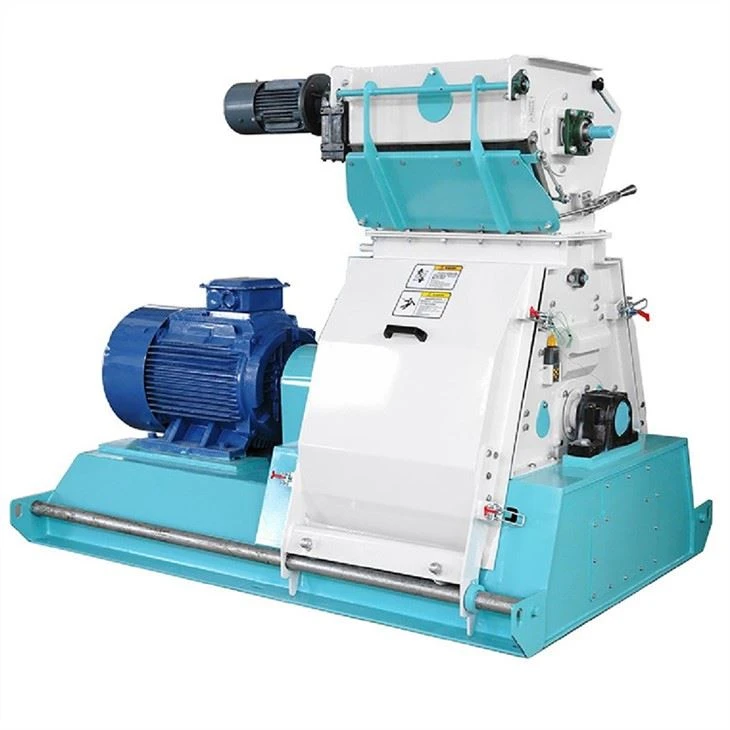

Investing in a high-quality dust collection system for your feed hammer mill is a smart decision that can provide numerous benefits for your business. Not only will it help to protect the health of your workers and the environment, but it will also improve the efficiency and reliability of your feed processing operations. So, don't hesitate to contact us today and take the first step towards a cleaner, safer, and more productive workplace.
References
- Perry, R. H., & Green, D. W. (2008). Perry's Chemical Engineers' Handbook. McGraw-Hill.
- Air Movement and Control Association International, Inc. (2010). AMCA Standard 210-07, Laboratory Methods of Testing Fans for Aerodynamic Performance Rating.
- United States Environmental Protection Agency. (2015). Control Techniques for Particulate Emissions.