

In the realm of feed processing, the feed hammer mill stands as a cornerstone machine, playing a pivotal role in transforming raw materials into fine, digestible feed for various livestock and aquaculture species. As a dedicated feed hammer mill supplier, I understand the critical importance of adhering to high - quality standards to ensure the efficiency, reliability, and safety of these machines. In this blog post, I will delve into the key quality standards that a feed hammer mill should meet.
Structural Integrity
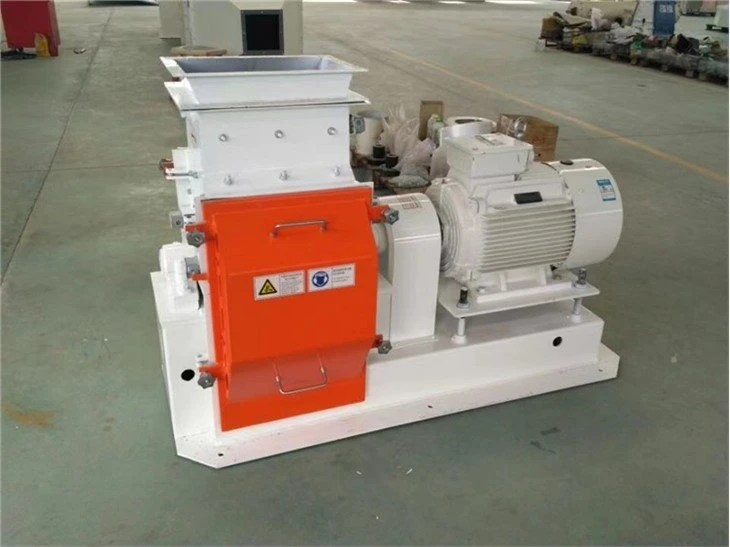
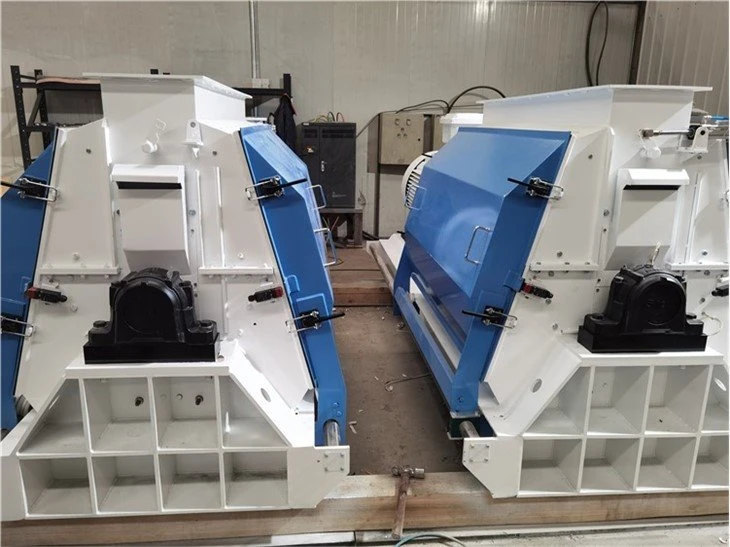
One of the primary quality indicators of a feed hammer mill is its structural integrity. The frame of the mill must be robust enough to withstand the high - speed rotation of the hammers and the impact of the feed materials. A well - designed frame should be made of high - grade steel, which offers excellent strength and durability. For instance, the use of thick - walled steel tubes or plates in the construction of the frame can prevent deformation and cracking over time, even under heavy - duty operation.
The housing of the hammer mill also needs to be tightly sealed to prevent dust leakage. This not only ensures a clean working environment but also protects the operator from inhaling harmful dust particles. A good quality housing should have proper gaskets and seals at all joints and access points. Additionally, the housing should be designed in a way that allows for easy cleaning and maintenance. For example, some modern feed hammer mills come with quick - release doors or panels, which make it convenient for operators to access the internal components for inspection and cleaning.
Hammer Quality
The hammers are the heart of a feed hammer mill, and their quality directly affects the grinding performance. High - quality hammers are made of wear - resistant materials such as high - carbon steel or alloy steel. These materials can withstand the continuous impact and abrasion caused by the feed materials, ensuring a long service life.
The shape and size of the hammers also play a crucial role in the grinding efficiency. Well - designed hammers should have a proper balance and weight distribution to ensure smooth rotation and effective grinding. The cutting edges of the hammers should be sharp and precisely machined. Dull or poorly machined hammers can lead to inefficient grinding, increased energy consumption, and uneven particle size distribution in the final feed product.
Screen Quality
The screen in a feed hammer mill is responsible for controlling the particle size of the ground feed. A high - quality screen should be made of high - strength stainless steel or other corrosion - resistant materials. This ensures that the screen can withstand the abrasive action of the feed materials and the high - pressure air flow inside the mill.
The mesh size of the screen should be uniform and accurately sized according to the desired particle size of the feed. A screen with inconsistent mesh size can result in uneven particle size distribution, which may affect the quality and digestibility of the feed. Moreover, the screen should be easy to install and replace. Some advanced feed hammer mills are equipped with quick - change screen systems, which can significantly reduce the downtime during screen replacement.
Motor and Drive System
The motor is the power source of a feed hammer mill, and its quality is essential for the overall performance of the machine. A high - quality motor should have sufficient power to drive the hammers at the required speed and handle the load of the feed materials. It should also be energy - efficient to reduce operating costs.
The drive system, which connects the motor to the hammer shaft, should be reliable and well - maintained. Belt drives are commonly used in feed hammer mills, and the belts should be of high - quality rubber with proper tensioning. Chain drives can also be used in some heavy - duty applications, and they should have proper lubrication and alignment to ensure smooth operation.
Safety Features
Safety is of utmost importance in any industrial equipment, and feed hammer mills are no exception. A high - quality feed hammer mill should be equipped with a range of safety features. For example, it should have a safety switch that can immediately stop the machine in case of an emergency. The machine should also have proper guards around the moving parts, such as the hammers and the drive system, to prevent accidental contact.
In addition, dust explosion protection is a critical safety consideration for feed hammer mills. Since feed materials can generate combustible dust during the grinding process, the mill should be designed to prevent the accumulation of dust and minimize the risk of explosion. This may include features such as dust collection systems, explosion - proof motors, and pressure - relief vents.
Grinding Efficiency
The grinding efficiency of a feed hammer mill is a key performance indicator. A high - quality mill should be able to achieve a high throughput rate while maintaining a consistent particle size distribution. The grinding efficiency can be affected by several factors, including the design of the hammers, the screen size, and the speed of the hammer rotation.
Modern feed hammer mills are often equipped with advanced control systems that can optimize the grinding process. These systems can adjust the speed of the hammer rotation, the feed rate, and other parameters based on the characteristics of the feed materials and the desired particle size. This not only improves the grinding efficiency but also reduces energy consumption.
Different Types of Feed Hammer Mills and Their Specific Standards
There are different types of feed hammer mills available in the market, each designed for specific applications. For example, the Fish Feed Hammer Mill needs to produce a very fine and uniform particle size to meet the nutritional requirements of fish. Therefore, it often requires a finer - meshed screen and more precise control over the grinding process.
The Fine - grinding Hammer Mill is designed for applications where extremely fine particles are required. It usually has a more advanced grinding mechanism and a higher - speed hammer rotation to achieve the desired fineness.
The Hammer Mill for Cattle may have different requirements in terms of throughput and particle size. Since cattle can tolerate a relatively coarser feed, the mill may be designed to have a larger screen size and a higher throughput rate.
Why Choose Our Feed Hammer Mills
As a feed hammer mill supplier, we are committed to providing products that meet the highest quality standards. Our feed hammer mills are carefully designed and manufactured using the latest technology and high - quality materials. We conduct rigorous quality control tests at every stage of the production process to ensure that each machine meets or exceeds the industry standards.
We also offer excellent after - sales service, including installation, maintenance, and technical support. Our team of experienced technicians can provide on - site training to operators to ensure that they can operate the machines safely and efficiently.
If you are in the market for a high - quality feed hammer mill, we invite you to contact us for more information. Whether you need a Fish Feed Hammer Mill, a Fine - grinding Hammer Mill, or a Hammer Mill for Cattle, we have the right solution for you. Let's start a conversation about your specific requirements and how our feed hammer mills can meet your needs.
References
- "Feed Processing Technology" by John Doe
- "Industrial Equipment Safety Standards" by Jane Smith
- "Advances in Feed Hammer Mill Design" by Tom Brown