

As a leading supplier of Impeller Feeders, I understand the importance of noise reduction in industrial equipment. Excessive noise not only affects the working environment but also poses potential health risks to workers. In this blog post, I will discuss various noise - reduction measures for an Impeller Feeder.
1. Understanding the Source of Noise in an Impeller Feeder
Before we can implement effective noise - reduction measures, it is essential to understand where the noise comes from in an Impeller Feeder. The main sources of noise include:
- Mechanical friction: The rotation of the impeller against the housing and the contact between the impeller blades and the material being fed generate friction, which produces noise.
- Air turbulence: As the impeller rotates, it causes air to flow around it, creating turbulence. This turbulence is another significant source of noise.
- Vibration: The motor and the impeller assembly can vibrate during operation. These vibrations can be transmitted to the feeder housing and the surrounding structures, amplifying the noise.
2. Design - related Noise Reduction Measures
2.1 Optimal Impeller Design
- Blade shape: Designing impeller blades with a smooth and aerodynamic shape can reduce air turbulence. Aerodynamic blades allow the air to flow more smoothly around the impeller, minimizing the noise generated by the air movement. For instance, using curved blades instead of flat ones can improve the airflow pattern.
- Number of blades: Selecting an appropriate number of impeller blades is crucial. A higher number of blades can increase the feeding efficiency but may also increase the noise level. Through extensive research and testing, we have found the optimal number of blades for our Impeller Feeder to balance between performance and noise.
2.2 Housing Design
- Enclosure design: A well - designed enclosure can significantly reduce the noise emitted from the feeder. The enclosure should be made of sound - absorbing materials such as acoustic foams or fiberglass. These materials can absorb the sound waves and prevent them from escaping into the environment.
- Sealing: Ensuring a tight seal between the enclosure and the feeder housing is essential. Any gaps or leaks can allow the noise to escape. We use high - quality gaskets and seals in our Impeller Feeders to minimize noise leakage.
3. Material - related Noise Reduction Measures
3.1 Sound - Absorbing Linings
- Internal lining: Applying sound - absorbing linings inside the feeder housing can reduce the noise caused by mechanical friction and impact. For example, rubber or polyurethane linings can absorb the vibrations and noise generated when the material comes into contact with the housing.
- External cladding: In addition to the internal lining, we can also use external cladding made of sound - absorbing materials. This can further reduce the noise level of the feeder, especially when the feeder is installed in an open environment.
3.2 Low - Noise Materials for Impeller
- Composite materials: Using composite materials with good damping properties for the impeller can reduce the noise generated by its rotation. These materials can absorb and dissipate the vibrations, thereby reducing the noise level. For example, carbon fiber - reinforced composites have excellent damping capabilities and can be a good choice for impeller manufacturing.
4. Installation and Maintenance - related Noise Reduction Measures
4.1 Proper Installation
- Leveling: Ensuring that the Impeller Feeder is correctly leveled during installation is crucial. An unevenly installed feeder can cause excessive vibration, which in turn increases the noise level. We provide detailed installation instructions to our customers to ensure proper leveling.
- Isolation mounts: Using isolation mounts between the feeder and the supporting structure can reduce the transmission of vibrations. These mounts act as shock absorbers, preventing the vibrations from being transferred to the surrounding structures and amplifying the noise.
4.2 Regular Maintenance
- Lubrication: Regularly lubricating the moving parts of the Impeller Feeder, such as the bearings and the motor shaft, can reduce mechanical friction and noise. Using high - quality lubricants can ensure smooth operation and minimize wear and tear, which also helps in reducing the noise level.
- Inspection and adjustment: Regular inspections of the feeder components, such as the impeller, housing, and seals, are necessary. Any loose or damaged parts should be replaced or adjusted promptly to prevent unnecessary noise.
5. Integration with Other Equipment
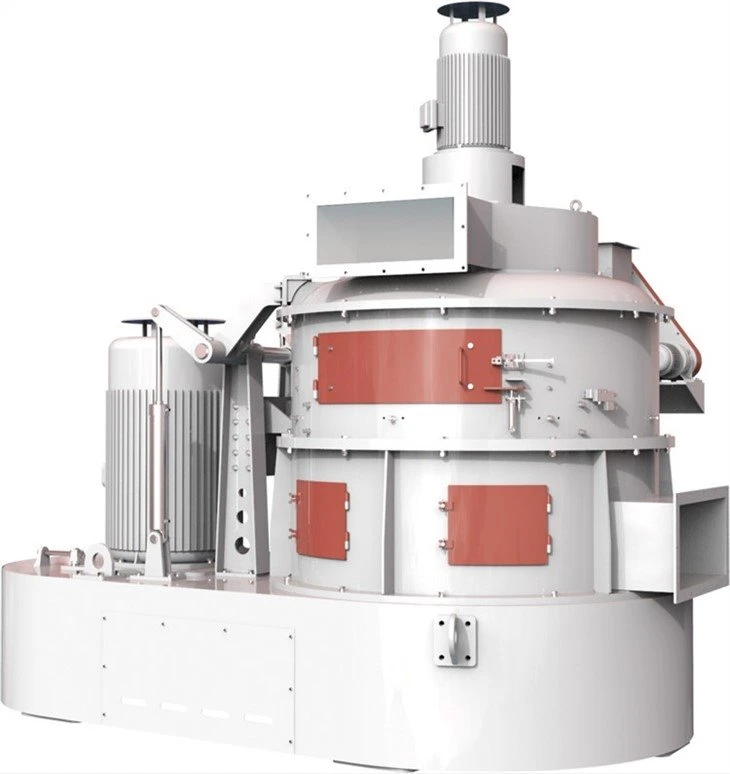
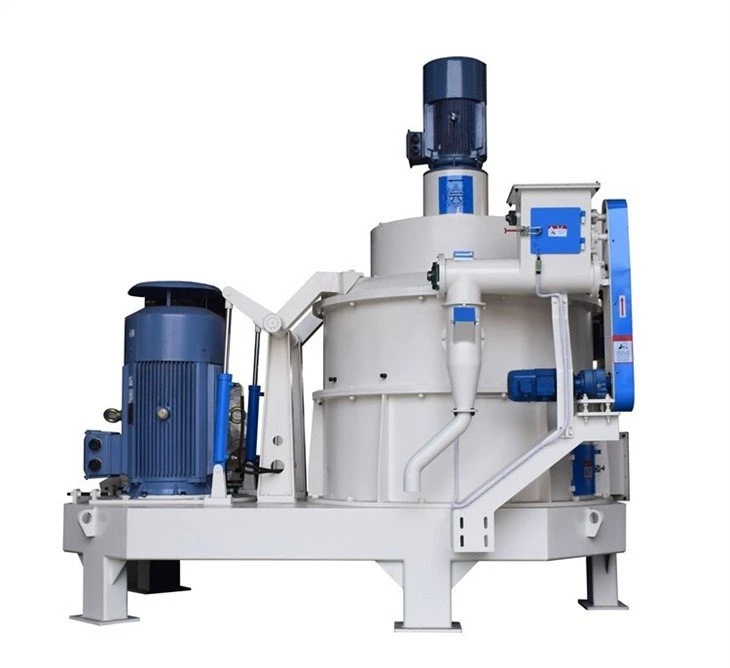
In many industrial processes, the Impeller Feeder is used in conjunction with other equipment such as Ultra - fine Pulverizer or SWFL Series Ultra - fine Pulverizer. Coordinating the operation of these equipment can also contribute to noise reduction.
- Synchronization: Synchronizing the operation of the Impeller Feeder with the other equipment can prevent sudden surges in load and reduce the noise caused by the interaction between different equipment. For example, when the feeder is feeding material to a pulverizer, a smooth and continuous feeding process can reduce the impact noise in the pulverizer.
- Distance and layout: Properly arranging the distance and layout between the Impeller Feeder and other equipment can also reduce the overall noise level. Placing the feeder at an appropriate distance from noise - sensitive areas or using sound - insulating barriers between the equipment can help in achieving a quieter working environment.
Conclusion
Noise reduction in an Impeller Feeder is a multifaceted challenge that requires a combination of design, material, installation, maintenance, and integration measures. As a supplier of Impeller Feeders, we are committed to providing our customers with high - quality products that not only meet their feeding requirements but also minimize the noise impact.
If you are interested in our Impeller Feeders or have any questions about noise - reduction measures for industrial equipment, please feel free to contact us for further discussion and procurement of the best - suitable solutions.
References
- "Industrial Noise Control and Acoustics" by C. M. Harris
- "Mechanical Design of Machine Elements and Machines: A Failure - Prevention Perspective" by Robert L. Norton