

An impeller feeder is a crucial device in various industrial processes, especially those involving the precise feeding of bulk materials. However, one of the most common issues faced with impeller feeders is blockages. Blockages can disrupt the entire production process, leading to downtime, increased maintenance costs, and reduced efficiency. As an impeller feeder supplier, we understand the significance of these problems and have developed several anti - blocking measures to ensure the smooth operation of our equipment.
Understanding the Causes of Blockages in Impeller Feeders
Before delving into the anti - blocking measures, it is essential to understand the root causes of blockages in impeller feeders. One of the primary causes is the nature of the materials being fed. Materials with high moisture content, large particle sizes, or a tendency to agglomerate are more likely to cause blockages. For instance, in industries dealing with wet powders or sticky substances, the material can adhere to the impeller blades and the feeder housing, gradually building up and eventually causing a blockage.
Another cause is improper installation or adjustment of the impeller feeder. If the impeller is not properly aligned or if the gap between the impeller and the housing is too small, it can restrict the flow of materials and lead to blockages. Additionally, overloading the feeder beyond its rated capacity can also cause blockages as the impeller may not be able to handle the excessive amount of material.
Anti - Blocking Measures
1. Material Pre - treatment
One of the most effective ways to prevent blockages is to pre - treat the materials before feeding them into the impeller feeder. For materials with high moisture content, drying can be an effective solution. By reducing the moisture content, the material becomes less sticky and is less likely to adhere to the impeller and housing. This can be achieved through various drying methods such as using a Ultra - fine Pulverizer which not only reduces the particle size but also helps in drying the material during the grinding process.
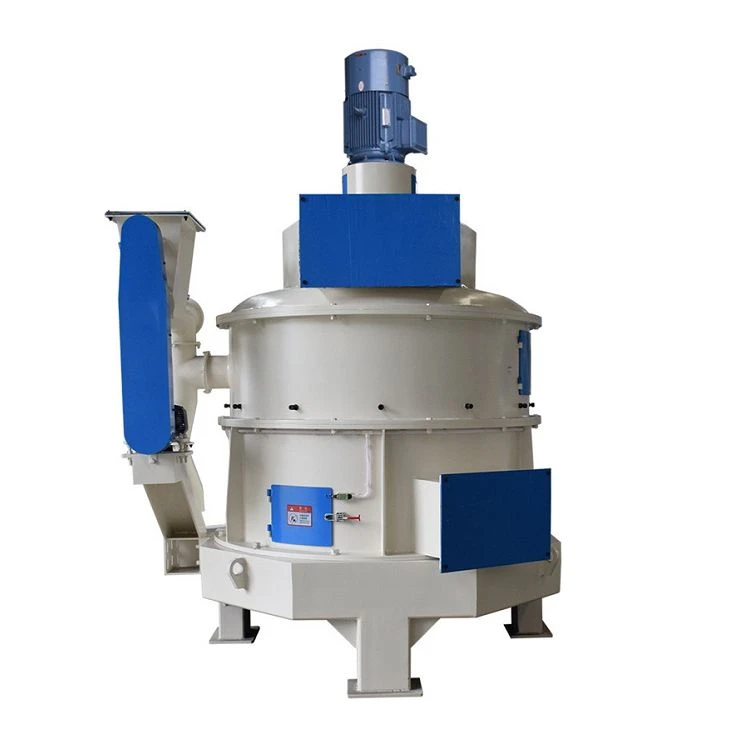
For materials with large particle sizes, crushing or screening can be employed. A SWFL Series Ultra - fine Pulverizer can be used to crush the large particles into smaller, more manageable sizes. This ensures that the material can flow smoothly through the impeller feeder without causing blockages.

2. Design Improvements
Our impeller feeders are designed with several features to prevent blockages. Firstly, the impeller blades are designed with a special shape and surface finish. The shape of the blades is optimized to ensure a smooth flow of materials, and the surface finish is such that it reduces the adhesion of materials. For example, a polished surface finish can prevent materials from sticking to the blades.
Secondly, the housing of the impeller feeder is designed with a larger cross - sectional area at the inlet and outlet. This helps to reduce the pressure drop and allows the material to flow more freely. Additionally, the housing is made of anti - static materials in some cases to prevent the build - up of static electricity, which can cause materials to stick together and form blockages.
3. Monitoring and Control Systems
We also incorporate advanced monitoring and control systems in our impeller feeders. These systems can detect the early signs of blockages, such as an increase in the power consumption of the impeller motor or a decrease in the flow rate of the material. Once a potential blockage is detected, the system can take appropriate actions. For example, it can automatically adjust the speed of the impeller to increase the flow of materials or it can send an alarm to the operator, indicating the need for maintenance.
4. Regular Maintenance
Regular maintenance is crucial for preventing blockages in impeller feeders. This includes cleaning the impeller and the housing regularly to remove any accumulated material. The impeller should be inspected for wear and tear, and any damaged blades should be replaced immediately. Additionally, the alignment of the impeller should be checked periodically to ensure that it is functioning properly.
The Importance of Anti - Blocking Measures
Implementing anti - blocking measures in impeller feeders offers several benefits. Firstly, it improves the reliability of the production process. By preventing blockages, the impeller feeder can operate continuously without interruptions, ensuring a steady supply of materials to the downstream processes. This leads to increased productivity and reduced downtime.
Secondly, it reduces maintenance costs. Blockages can cause significant damage to the impeller feeder, such as worn - out blades or a damaged motor. By preventing blockages, the need for costly repairs and replacements is minimized.
Finally, it improves the quality of the end product. When the impeller feeder operates smoothly, the flow of materials is consistent, which helps in maintaining the quality of the end product. For example, in the food and pharmaceutical industries, a consistent flow of ingredients is essential for ensuring the quality and safety of the final product.
Conclusion
As a leading Impeller Feeder supplier, we are committed to providing our customers with high - quality impeller feeders that are equipped with effective anti - blocking measures. Our comprehensive approach to preventing blockages, which includes material pre - treatment, design improvements, monitoring and control systems, and regular maintenance, ensures that our impeller feeders can operate efficiently and reliably in various industrial applications.
If you are looking for a reliable impeller feeder for your industrial process or if you have any questions regarding anti - blocking measures, we encourage you to contact us for a detailed discussion. Our team of experts is ready to assist you in finding the best solution for your specific needs.
References
- Smith, J. (2018). Industrial Feeding Systems: Design and Operation. New York: Industrial Press.
- Brown, A. (2019). Material Handling and Processing in the 21st Century. London: Elsevier.
- Green, C. (2020). Preventing Blockages in Bulk Material Handling Equipment. Journal of Industrial Engineering, 45(2), 123 - 135.